
What Makes Wind Turbines Work? A Guide to Gulf Wind Energy
The Physics of Wind: From Kinetic Energy to Mechanical Motion
When you stand on a beach along the Arabian Gulf and feel that steady, sun-warmed breeze against your face, you are experiencing more than just a pleasant afternoon. You are feeling "kinetic energy." In simple terms, kinetic energy is the energy an object possesses because it is in motion. Because wind consists of air molecules moving at different speeds, it carries a tremendous amount of potential to do work.
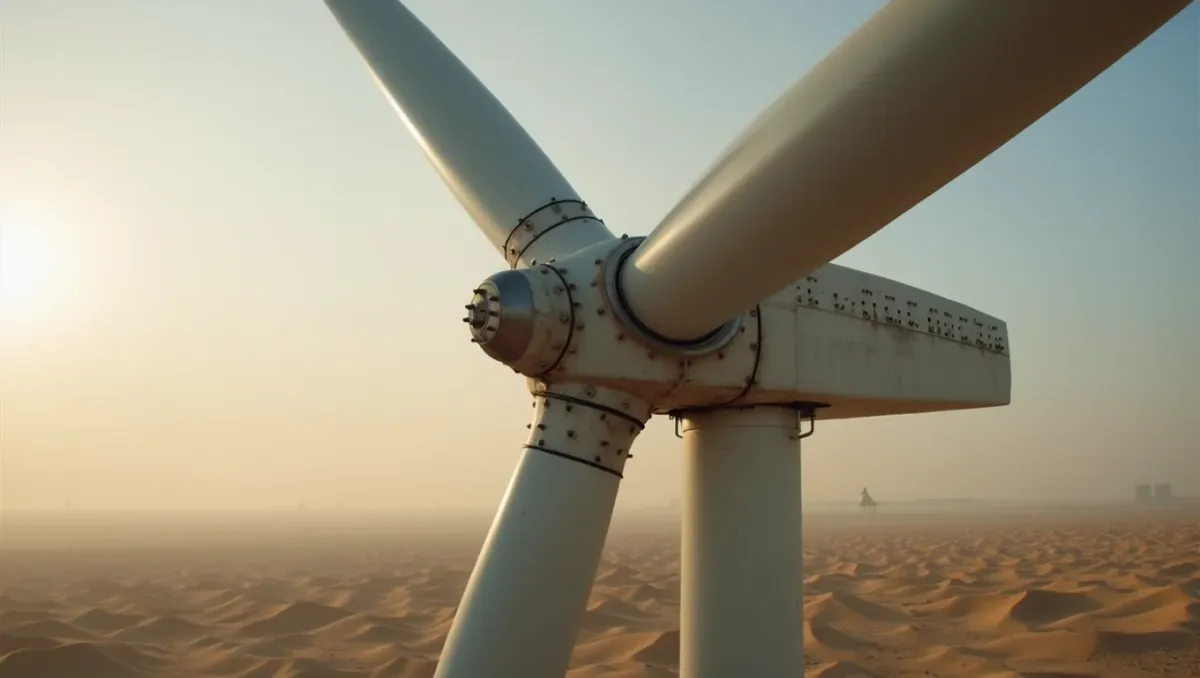
The first step in understanding what makes wind turbines work is grasping how we capture that movement. A wind turbine acts as a massive energy converter. When the wind hits the blades of a turbine, it creates a pocket of high pressure on one side of the blade and low pressure on the other. This difference in pressure creates lift—the same physical principle that allows an airplane wing to rise into the sky. This lift forces the blades to rotate around a central hub.
Think of the turbine blades as the sails of a traditional dhow. Just as the wind pushes the sail to propel the boat across the water, the wind pushes the blades to create mechanical motion. This is the transition from "kinetic energy" (the moving air) to "mechanical energy" (the spinning shaft). While it might seem like a simple rotation, this movement is the foundation of the entire process. Every rotation of the rotor—the part of the turbine that includes the blades and the hub—is a step toward creating the electricity that powers our homes and industries in cities like Riyadh, Dubai, and Doha.
For those looking into types of wind turbine rotors, it is important to note that these designs are engineered specifically to maximize this conversion. Whether they are designed for high-speed coastal gusts or steady inland breezes across the Arabian Peninsula, the goal remains the same: capturing as much of that moving air as possible and turning it into a consistent, rotating force.
Inside the Nacelle: How Generators Create Electricity
Once the blades begin to spin, the energy needs to be transformed from motion into something we can actually use: electricity. This transformation happens inside the "nacelle." If you look at a wind turbine from a distance, the nacelle is the large, protective housing at the very top of the tower where the hub meets the blades. You can think of the nacelle like the engine room of a ship; it houses all the complex machinery required to turn rotation into power.
Inside this housing sits the generator. This is where the "magic" of physics happens through a process called electromagnetic induction. To understand this, imagine two coils of wire placed near one another. When a magnetic field moves past these wires—or when electricity flows through them to create a moving magnetic field—it induces an electrical current. In a wind turbine, the spinning shaft (driven by the blades) rotates magnets around coils of copper wire. This movement "pushes" electrons along the wire, creating a flow of electricity.
In many larger installations, there is a component called a gearbox between the rotor and the generator. Much like the gears on a bicycle allow you to pedal at a comfortable pace while the wheels spin much faster, a gearbox allows the turbine blades to spin at a slower, safer speed while the internal generator spins at the high speeds required to produce steady electricity. This ensures that even if the wind isn't howling at extreme speeds, the generator can still operate efficiently.
For those interested in what is a wind turbine and how it works, the core takeaway is this: the nacelle protects these sensitive components from the elements—including high temperatures and airborne particles—while facilitating the conversion of mechanical rotation into an electrical current. This electricity then travels down the tower to a transformer, which adjusts the voltage so it can be safely distributed across our local power grids, such as those managed by the SEC in Saudi Arabia.
Key Components of a Modern Wind Turbine
To understand how these massive structures survive and thrive in our environment, we must look at the individual parts that make them up. A modern wind turbine is not just one machine; it is a sophisticated system of several critical components working in harmony:
- The Blades: These are the primary "catchers" of wind energy. They are engineered with specific aerodynamic profiles to ensure maximum lift and durability against high-velocity gusts.
- The Rotor: This includes the blades and the hub they are attached to. The rotor is the part that physically interacts with the wind.
- The Nacelle: As mentioned, this is the "housing" at the top of the tower. It protects the internal machinery from extreme heat, dust, and saline coastal air.
- The Gearbox: This converts the slow rotation of the blades into high-speed rotation for the generator.
- The Generator: The heart of the system where electromagnetic induction creates the actual electricity.
- The Transformer: Located at the base or within the structure, it prepares the electricity for use in our homes and businesses.
When designing these systems, engineers must consider everything from types of wind turbine rotors to the materials used in the tower. Even the surrounding infrastructure matters. For example, when planning a site, developers must be aware of issues like what is wind turbine shadow flicker—the flickering effect caused by the sun passing behind the spinning blades. While mostly an aesthetic concern for nearby buildings, it shows how much thought goes into the placement and design of these structures.
Furthermore, while we are discussing wind energy, it is important to recognize that modern infrastructure often requires careful planning regarding building insulation roofing design and building insulation meaning. While this may seem unrelated to wind turbines, both fields share a common goal: efficiency. Just as high-quality building insulation board helps keep a villa or commercial building cool in the desert heat by reducing the load on air conditioning systems, well-designed wind turbines ensure that every bit of captured energy is used as efficiently as possible.
Wind Power in the Gulf: Overcoming Regional Environmental Challenges
Implementing wind energy in our region comes with unique rewards and specific challenges. The Arabian Gulf offers significant opportunities, particularly due to high-velocity coastal winds. These consistent winds provide a reliable source of power that can be harnessed on a massive scale. In fact, wind power is becoming a cornerstone of regional diversification. It is being integrated into ambitious national visions, such as Saudi Arabia’s Vision 2030, to create a diverse and sustainable energy mix for the future.
However, our region presents an environment that would challenge many standard designs. The Gulf is known for its intense heat and harsh conditions involving heavy dust and fine desert sand. To combat this, modern turbines are built with "high-performance power generation" and "excellent environmental adaptability." This means they feature advanced sealing systems to keep fine sand out of the gearbox and generator, ensuring they don't lose efficiency over time due to grit or salt corrosion from coastal air.
The scale of innovation is truly impressive. For example, some projects are now moving toward floating wind foundations in coastal waters. These designs allow for larger turbines to be placed further offshore where winds are stronger and more consistent. Furthermore, these wind systems aren't working alone; they are often paired with solar energy to create a hybrid power model. In some cases, this combined wind and solar power is even being used to produce green hydrogen—a clean fuel that can be used for heavy industry and transportation in the region.
By utilizing advanced engineering to overcome the local climate, we can harness the very winds that blow across our coastlines. Whether it is a large-scale project in a new coastal city or a regional farm near a wadi irrigation system, these turbines are designed to endure the heat while providing clean, reliable power for generations to come.What This Means For You
While most of us won't be maintaining a turbine at the top of a tower, understanding how they work helps us appreciate the complexity of our modern energy grid. Here are the key takeaways:
- Reliability: Modern turbines are specifically engineered for harsh environments. They aren't just "windmills"; they are high-tech machines designed to withstand extreme heat and sand while maintaining efficiency in the Gulf.
- Synergy: Wind power is most effective when it works alongside other technologies, like solar energy, to provide a constant supply of electricity throughout the day and night across the region.
- Innovation: The move toward floating foundations and advanced sealing means that wind power is becoming more viable in coastal areas across the Gulf, contributing to a cleaner and more diverse energy future.
Understanding what makes wind turbines work allows us to see how technology can overcome environmental hurdles to provide sustainable power for our growing communities.
- Identify your interest: Determine if you are interested in the technical aspects of turbine mechanics or the broader impact of renewable energy on the local grid.
- Stay informed: Keep an eye on local infrastructure projects that combine wind and solar to see how these technologies work together in our specific climate.
- Engage with experts: If you are considering a business application for wind or solar, consult with a specialist who understands the unique requirements of Gulf-based environments.
Related articles
- Envisioning Wind Power in Saudi Arabia: A Pillar of Sustainable Energy
- Investing in Wind Turbine KSA: A Commercial Deep Dive into Large-Scale Renewable Investment
- Unlocking the Arabian Wind: A Strategic Guide to Utility-Scale Wind Investment Across the GCC
- Unlocking Wind Energy KSA: A Strategic Deep Dive into Saudi Arabia's Renewable Future
- Wind Farm Saudi Arabia: An Investment Guide for Industrial Power
Explore topics: Saudi Arabia, Wind, Renewable Energy, Vision 2030
The information in this article is for educational purposes only. Always verify specifications, availability, and suitability with a qualified supplier or engineer before making purchasing or installation decisions.



