Achieving the Highest Level of LEED Certification in the Gulf
Understanding the LEED Rating System: From Certified to Platinum
For commercial developers and asset managers across the Arabian Gulf, "sustainability" is no longer a buzzword; it is a critical metric of operational excellence. When evaluating the viability of large-scale infrastructure projects in cities like Riyadh, Dubai, or Muscat, understanding the framework of green building standards is essential for long-term asset valuation. One of the most globally recognized benchmarks is LEED certification. While many may ask "what is leed certification for buildings?" at the start of their journey, it is best understood as a comprehensive performance framework that evaluates how a structure impacts the environment and the well-being of its occupants.
The LEED rating system operates on a point-based hierarchy. To achieve any level of LEED certification, a project must meet specific thresholds across categories such as water efficiency, energy performance, indoor environmental quality, and sustainable site selection. These requirements are then categorized into four distinct tiers:
- Certified: The foundational level, indicating the building meets basic green standards and outperforms standard construction practices.
- Silver: Represents a significant commitment to resource efficiency and lower operational costs.
- Gold: A high-tier recognition of superior design and advanced engineering integration.
- Platinum: The pinnacle of the system, reserved for buildings that achieve the highest level of LEED certification.
For industrial and commercial entities, choosing a target level is a strategic decision. While "Certified" or "Silver" status provides a baseline of environmental responsibility, the move toward Gold and Platinum reflects a sophisticated approach to engineering. In the context of high-demand urban centers in the GCC, reaching these upper tiers signifies that a building is engineered for maximum efficiency under extreme conditions, such as peak summer temperatures exceeding 50°C.
What it Takes to Reach the Highest Level of Certification
Securing the highest level of LEED certification—Platinum status—requires more than just "green" features; it demands an integrated engineering philosophy where every component of the building's lifecycle is optimized. To reach Platinum, a project must accumulate a high volume of points across several rigorous categories. For large-scale commercial assets in the Arabian Gulf, the most significant hurdles and opportunities lie in energy performance and water conservation.
In our region, the primary driver of energy consumption is the cooling load necessitated by extreme ambient temperatures and intense solar radiation. Achieving Platinum status requires sophisticated HVAC systems that minimize electrical demand while maintaining occupant comfort. This often involves advanced thermal envelope designs, high-performance glazing to reduce solar heat gain from the harsh sun, and intelligent building management systems (BMS) that automate energy distribution based on real-time occupancy.
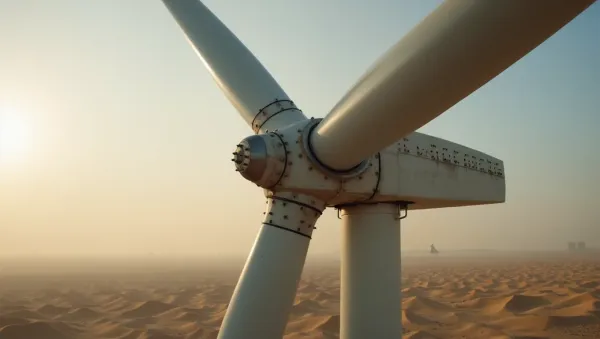
Furthermore, the integration of renewable energy is a cornerstone for reaching top-tier status. By incorporating large-scale photovoltaic arrays or integrated solar thermal systems—leveraging the region's high solar irradiance—a commercial facility can significantly offset its base load. This not only contributes to the points required for Platinum certification but also creates a hedge against fluctuating utility costs. It is important to note that while leed certification is available for individuals—often focusing on professional credentials in green building—the institutional certification of an asset is what drives the ROI for investors and developers.
The complexity of achieving Platinum status means that the design phase must be exhaustive. Every material, from the source of the steel to the chemical composition of the paints, must be scrutinized to ensure it aligns with the stringent requirements of the LEED v4 or subsequent rating systems. For a commercial buyer, this level of rigor ensures that the building is not just "green" on paper, but highly performant in practice.
The Value of Top-Tier LEED Status for Gulf Commercial Real Estate
For the Arabian Gulf's real estate sector, the move toward high-level certification is driven by a fundamental business logic: risk mitigation and asset appreciation. A building with Platinum status is inherently more resilient. In an environment characterized by extreme heat and saline coastal air, a high-level certified building utilizes advanced cooling technologies that reduce the mechanical strain on infrastructure, thereby extending the lifecycle of critical components.
From a valuation perspective, premium certification acts as a differentiator in a competitive market. Commercial tenants—ranging from multinational corporations to government entities—are increasingly seeking spaces that align with their own corporate social responsibility (CSR) mandates. A Platinum-certified facility commands a premium because it offers:
- Lower Operational Expenditure (OPEX): Reduced demand on power and water systems translates directly to higher margins for property managers.
- Enhanced Brand Equity: Occupancy by prestigious brands is more likely when the physical asset reflects a commitment to innovation.
- Future-Proofing: As regional regulations tighten regarding carbon footprints, high-level certified buildings are less likely to require expensive retrofits to meet future compliance standards.
We have seen this trend manifest in several landmark projects across the region. For example, certain industrial and commercial facilities in Saudi Arabia have achieved Platinum status by hitting exceptionally high point totals under specialized rating systems. These projects demonstrate that when a building is engineered to the highest standard, it becomes a flagship asset, capable of attracting long-term investment and high-value tenants who simply prioritize operational efficiency and prestige.
Aligning High-Level LEED Standards with Regional Sustainability Goals
The push for the highest level of LEED certification in the Arabian Gulf is not happening in a vacuum. It is deeply intertwined with national economic transformations. In Saudi Arabia, the Kingdom's Vision 2030 has paved the way for massive investments in sustainable infrastructure and urban development. Similarly, the UAE’s commitment to Net Zero goals provides a clear roadmap for developers who want to stay ahead of the curve.
By aiming for Platinum or Gold status, Gulf developers are aligning their projects with these national mandates. This alignment is crucial for securing government contracts and participating in large-scale urban developments like NEOM. When a commercial project achieves high-level certification, it serves as a tangible proof of concept that regional goals are being met through innovative engineering and smart procurement.
Furthermore, the integration of these global standards ensures that local projects remain competitive on an international scale. A building in Riyadh or Dubai that meets Platinum requirements is built to a standard that is recognized globally, making it more attractive to international investors who require standardized metrics for sustainability and risk management. By choosing the highest plans of certification, Gulf businesses are not just following a trend; they are securing their position at the forefront of the global transition toward high-performance, low-impact infrastructure.
Ultimately, the transition from "standard" to "high-level" certification represents a shift in the investment mindset. It moves the conversation away from the initial cost of construction and toward the total cost of ownership (TCO). By investing in advanced systems, renewable integration, and high-performance materials today, owners can ensure their assets remain premier options for the next several decades.
Maintenance Planning and Lifecycle Costs
While the initial investment in high-level certification involves sophisticated engineering and premium components, it is essential to view these as long-term capital investments. A building designed for Platinum status typically features more robust systems that require less frequent intensive maintenance compared to standard builds. For example, advanced filtration systems and high-efficiency HVAC units are designed for longevity against fine desert sand and dust. Furthermore, by reducing the peak load on electrical grids, these buildings minimize wear and tear on primary distribution components. The lifecycle cost analysis of a high-level certified building often shows a much more favorable trajectory than non-certified alternatives, primarily due to reduced energy demand and optimized resource management.
Key Takeaways
- Strategic Differentiation: High-level LEED certification (Gold/Platinum) serves as a powerful market differentiator, enhancing brand reputation and attracting high-value commercial tenants.
- Operational Efficiency: Achieving top-tier status requires advanced HVAC integration and renewable energy systems that significantly reduce long-term operational expenditures in extreme heat environments.
- Risk Mitigation: Advanced certification ensures buildings are "future-proofed" against tightening regional environmental regulations and rising utility costs.
- Alignment with Vision 2030: Pursuing high-level standards aligns Gulf assets with national sustainability goals, facilitating easier access to investment and government partnerships.
Related articles
- How to Build a Sustainable City: Strategies for the Arabian Gulf and KSA
- How To Build a Sustainable City: A Strategic Blueprint for GCC Mega-Projects
- Sustainable Architecture in Saudi Arabia: Driving Resilience and ROI
- The Strategic Imperative of Green Building Solutions in Riyadh’s Next Growth Cycle
- What Defines Top Green Buildings: Principles of Sustainability in the Arabian Gulf
Explore topics: Saudi Arabia, Gcc, Green Building, Renewable Energy
The information in this article is for educational purposes only. Always verify specifications, availability, and suitability with a qualified supplier or engineer before making purchasing or installation decisions.