
Sustainable Architecture in Saudi Arabia: Driving Resilience and ROI
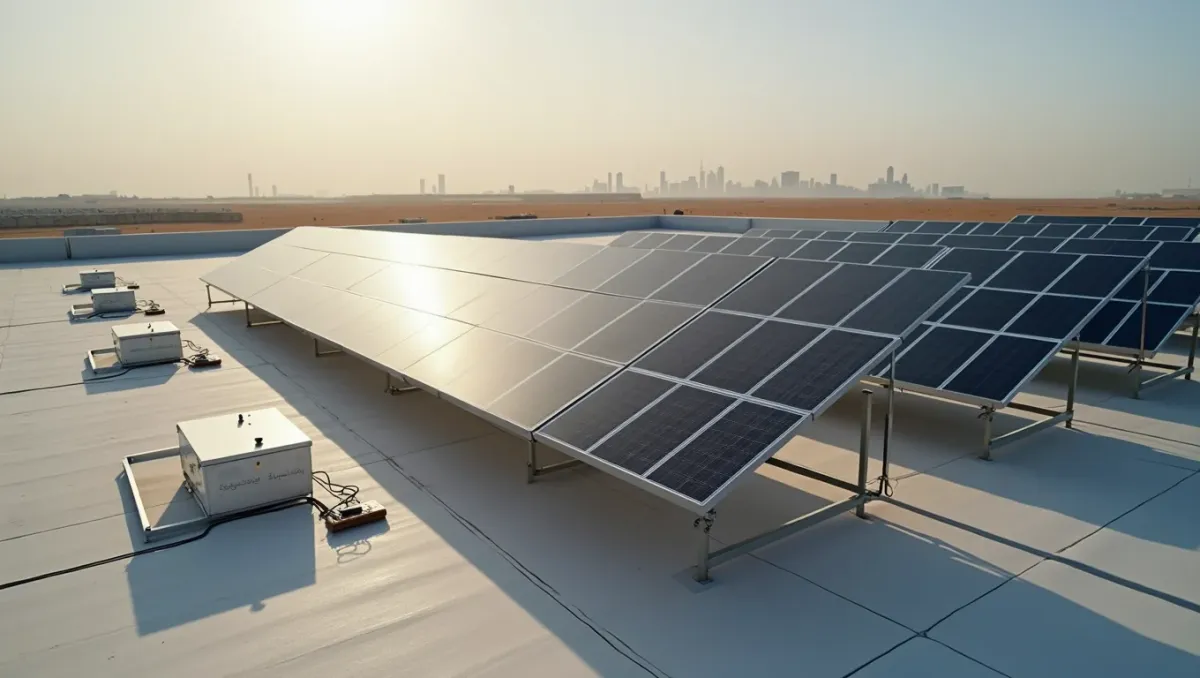
The question for Gulf businesses is no longer whether to invest in solar—it is how quickly you can recover your capital and begin treating energy as a competitive advantage rather than an overhead cost. For commercial buyers and engineers planning large-scale developments across the Kingdom, understanding sustainable architecture saudi arabia represents a fundamental shift from merely meeting code compliance to actively optimizing asset performance over decades.
In the context of massive infrastructure projects and rapid urbanization in cities like Riyadh and Jeddah, sustainability is not an optional aesthetic choice; it is a critical operational requirement. It defines energy resilience, mitigates extreme climate risks associated with summer peaks approaching 50°C, and directly dictates the long-term viability and marketability of any commercial property. This guide details how advanced sustainable design principles translate into measurable improvements in efficiency and return on investment (ROI) for large industrial and mixed-use developments.
What is Sustainable Architecture? Defining Green Building Standards in the Gulf Region
Sustainable architecture, particularly within the demanding climatic profile of the Arabian Peninsula, transcends simple energy conservation. It represents a holistic design philosophy that seeks to minimize negative environmental impact while maximizing human comfort and operational efficiency across the entire lifecycle—from initial construction through decommissioning.
For commercial clients, understanding this definition means recognizing that the goal is systemic optimization. We are moving beyond simply adding solar panels; we are designing buildings that interact intelligently with their environment. This involves optimizing material selection, water use, energy generation, and waste management simultaneously to achieve a net-positive or near-net-zero operational status.
In the Gulf context, this definition is heavily influenced by the need for extreme resilience. Developers must account for massive diurnal temperature swings and intense solar irradiance, with KSA averaging approximately 6 kWh/m²/day. A sustainable design framework ensures that the structure itself acts as a thermal buffer, drastically reducing reliance on mechanical cooling systems—the single largest operational expenditure (OpEx) in any Gulf commercial building.
Furthermore, modern green standards are not monolithic. While global benchmarks like other international green building standards provide excellent frameworks, local codes and evolving national standards must be prioritized. For large-scale industrial loads requiring reliable 220V/60Hz three-phase power, the design must integrate redundancy and efficiency from the outset. The core business outcome here is risk mitigation: designing against climate volatility—including haboob storms and saline coastal air degradation—ensures uninterrupted operations and maintains asset value even when regional energy grids face strain.
Passive Design Strategies: Cooling and Shading for Arid Climates
Before considering the integration of high-tech, active renewable systems—such as large solar arrays or geothermal heat pumps—the most powerful and cost-effective strategies are those built into the initial design phase. These passive techniques leverage physics and geometry to manage thermal load before any energy conversion happens.
The paramount concern in KSA is managing intense solar gain. Passive design addresses this through highly localized, site-specific interventions:
- Optimal Orientation and Massing: Buildings must be oriented along the east-west axis to minimize exposure of large façade surfaces to low-angle morning and afternoon sun. Using high thermal mass materials (where appropriate for structural integrity) helps absorb and slowly release heat, moderating internal temperature fluctuations throughout the day. This is crucial in compounds located near industrial cities like Jubail or KAEC.
- Advanced Shading Systems: This is non-negotiable. Design must incorporate fixed overhangs, vertical fins, and external louvers that are precisely calculated based on latitude and orientation. These elements block high-angle summer sun while allowing lower winter sun penetration for daylighting (reducing electrical lighting loads).
- Natural Ventilation and Stack Effect: Where feasible, designing courtyards, atria, and operable façade sections allows natural airflow to drive cooling through the stack effect. This significantly reduces reliance on air conditioning for basic ventilation needs in commercial zones and industrial office spaces.
The financial argument here is undeniable. Every degree of passive cooling achieved translates directly into reduced HVAC runtime, leading to substantial savings in OpEx that can rapidly offset the initial architectural planning investment. By treating shading not as an add-on but as a fundamental structural requirement, developers achieve immediate operational efficiency gains.
Active Integration: Incorporating Solar and Renewable Systems
Once passive strategies have minimized the baseline energy demand, active systems are deployed to meet the remaining load. This integration must be seamless, treating renewable energy generation as an inherent part of the structural envelope, not an afterthought.
Photovoltaic (PV) Integration: For large commercial and industrial facilities across the Eastern Province, rooftop PV arrays offer a scalable path toward self-sufficiency. Critically, modern design mandates considering Building Integrated Photovoltaics (BIPV), where solar cells are incorporated into façade elements or roofing materials themselves. This maximizes the usable surface area for energy generation while maintaining architectural integrity.
Thermal and Power System Synergy: The integration of renewable sources must be viewed through a comprehensive power system lens. This involves calculating peak electrical loads (kW) and determining how distributed generation (DC output from PV arrays) can offset the main utility connection, thereby stabilizing the facility's energy profile. For industrial clients running continuous 3-phase machinery, robust microgrid planning is key to ensuring uptime and maximizing utilization of available grid integration options.
Water Management as an Active System: A core pillar of sustainability in KSA is water resilience. The architectural design must mandate and integrate greywater recycling systems (from sinks and showers) for non-potable uses like flushing toilets or landscape irrigation. Furthermore, incorporating advanced stormwater harvesting and mandatory low-water landscaping minimizes the strain on municipal resources, transforming a utility cost center into a self-sustaining cycle.
Maintenance Planning and Lifecycle Costs: A critical component often overlooked by buyers is the lifecycle costing model. Sustainable design anticipates performance degradation. This requires selecting components—from photovoltaic inverters to façade sealants—that are robust against salt corrosion, fine desert sand accumulation, and extreme temperature cycling. Proper maintenance planning must include scheduled cleaning protocols for arrays (dust mitigation) and periodic inspection of mechanical systems to ensure that the initial investment maintains peak efficiency over a 25-30 year lifespan, protecting the asset's long-term value.
From Concept to Certificate: Navigating Green Building Codes and Investment Returns in KSA
The final stage of sustainable development involves formal verification. Achieving green building certification is far more than a marketing accolade; it serves as an auditable performance guarantee that validates the investment thesis for commercial buyers.
Green certifications (such as other international green building standards) provide a structured pathway to measure and optimize sustainability across multiple vectors: water efficiency, energy consumption, materials sourcing, and indoor air quality. These certifications act as a powerful due diligence tool, signaling to tenants and investors that the building operates at a superior level of environmental performance.
The Financial Upside (ROI): The return on investment from sustainable design is multifaceted:
- Operational Savings: Direct savings realized through reduced utility bills, particularly for cooling and water usage.
- Tax and Incentives: Accessing local government incentives or preferential financing rates available to certified green buildings within the Kingdom.
- Marketability Premium: Studies consistently show that tenants are willing to pay a premium for high-performance, healthy, and sustainable workspace, directly boosting occupancy rates and Net Operating Income (NOI).
Considering the ambitious scale of development envisioned under Saudi Vision 2030—and massive projects such as NEOM—sustainable design has moved from a competitive edge to a mandatory baseline requirement. The integration of advanced systems, whether managing excess heat or optimizing water usage through localized recycling, ensures that assets contribute positively to national energy security goals.
Key Takeaways
- Sustainable architecture requires treating the building envelope as an active performance system, prioritizing passive strategies (shading, orientation) before deploying high-tech energy solutions.
- For commercial buyers, ROI must be calculated over a full lifecycle analysis, factoring in operational savings from reduced utility consumption and enhanced asset marketability.
- Resilience is key: Sustainable design mitigates risk associated with extreme climate volatility (diurnal swings) and ensures continuous operation of critical industrial loads through integrated microgrid planning.
- Water independence is achieved by mandating the integration of greywater recycling and low-impact, native landscaping systems across all phases of development.
Related articles
- Achieving the Highest Level of LEED Certification in the Gulf
- What Defines Top Green Buildings: Principles of Sustainability in the Arabian Gulf
- Best Cool Roof Tiles Brands for GCC and KSA: A Guide to Thermal Efficiency
- Choosing Cool Roof Tiles for Terraces and Compounds in KSA
- Designing for Resilience: Principles of Green Architecture in the Arabian Gulf
Explore topics: Green Building, Saudi Arabia, Renewable Energy, Passive Cooling
The information in this article is for educational purposes only. Always verify specifications, availability, and suitability with a qualified supplier or engineer before making purchasing or installation decisions.



