
What Defines Top Green Buildings: Principles of Sustainability in the Arabian Gulf
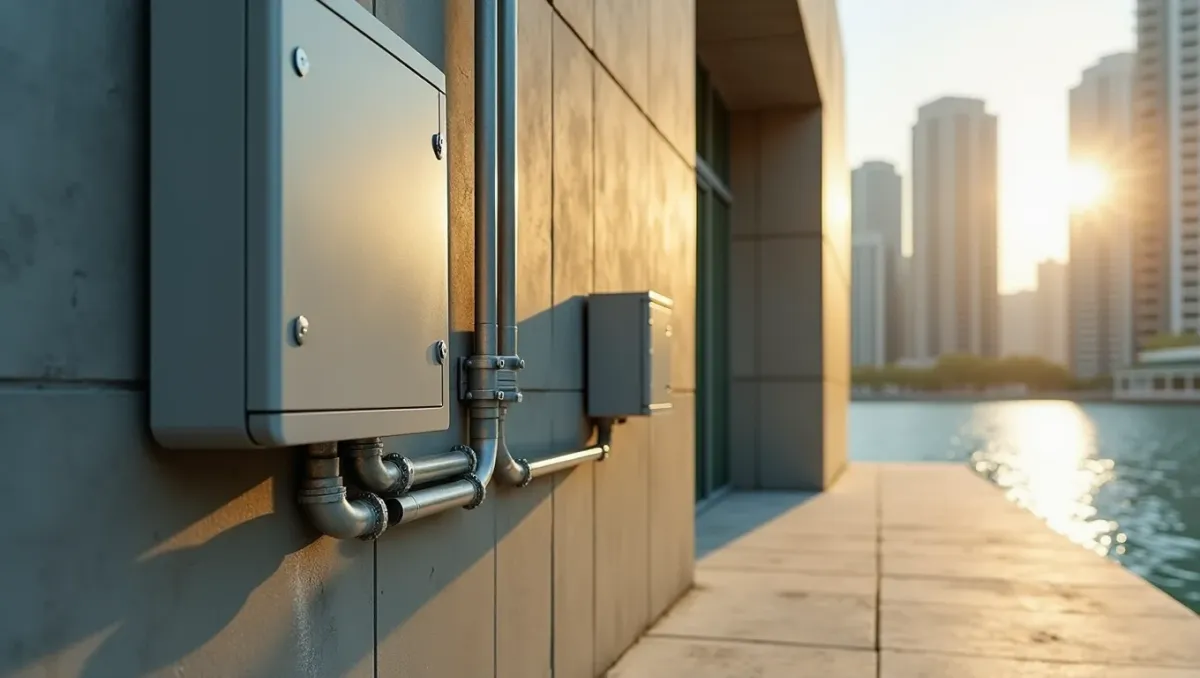
For commercial investors operating across the Arabian Gulf, understanding what constitutes a “green building” must transcend mere architectural aesthetics or compliance checklists. It is fundamentally an investment thesis centered on operational resilience and optimized long-term cash flow. The definition of sustainability here—particularly within the diverse industrial and commercial sectors spanning Saudi Arabia, the UAE, Qatar, Oman, and Bahrain—is rooted in maximizing efficiency while minimizing reliance on volatile external energy sources.
The true measure of a green building is its ability to decouple high performance from escalating operational expenditure. It moves beyond simply using recycled materials; it integrates holistic systems that treat every input—energy, water, and labor—as a managed resource. This shift in perspective is critical because the economic landscape of the GCC is rapidly evolving, driven by global mandates for decarbonization and national strategies like Vision 2030.
In the context of the Arabian Gulf, sustainability principles are not abstract ideals; they are direct responses to extreme climate conditions. The region experiences a pronounced diurnal temperature range, meaning rapid swings between intense daytime heat (often peaking at 45°C+, with summer peaks approaching 50°C) and cooler nights. Furthermore, investors must account for the challenges posed by fine desert sand and seasonal haboob storms, alongside saline coastal air in areas like Jeddah or Dammam. This characteristic places extraordinary strain on conventional cooling systems (HVAC), which typically consume vast amounts of energy—often accounting for 40% or more of total building consumption in older structures.
Consequently, the core pillars of sustainable design in this region are geared toward radical load reduction before any renewable generation is considered. This involves advanced passive cooling strategies. These strategies utilize architectural features—such as optimized shading devices, high thermal mass utilization, strategic landscaping (bioclimatic design), and intelligent window placement—to minimize solar heat gain and reduce the necessary mechanical cooling output. By significantly reducing the HVAC load requirement, a building inherently becomes more energy-efficient from day one.
Furthermore, local regulations are increasingly mandating specific performance metrics. From minimum insulation standards to mandated greywater recycling capabilities, regulatory bodies across the GCC are establishing technical floors for new construction. Investors must view adherence to these evolving mandates—such as those governing high-performance envelopes and mechanical systems—not as a cost center, but as an essential form of risk mitigation. A structure built today that fails to meet tomorrow’s efficiency standards risks becoming functionally obsolete before its loan term expires.
For industrial clients, the concept extends beyond simple occupancy rates. It involves optimizing power infrastructure for large-scale machinery and continuous processes in major industrial cities like Jubail or KAEC. Green buildings in this sector must integrate robust, three-phase power capacity planning from the outset, ensuring that the renewable generation system (e.g., commercial solar arrays) can reliably support peak industrial loads alongside internal efficiencies.
In essence, a truly green building for the Gulf is defined by its operational efficiency coefficient: the ratio of useful output to total energy input, demonstrating superior resilience against geopolitical and climatic energy shocks.
The Technical Pillars: Integrating Solar, Storage, and Efficiency into Design
Achieving market-leading sustainability requires more than simply installing a solar panel array on a roof. It demands a deep integration of three technical pillars: highly efficient generation (Solar PV), resilient power management (Battery Energy Storage Systems - BESS), and radical consumption reduction (Building Envelope Optimization). The interplay between these elements is what transforms an asset from merely "modern" to genuinely future-proof.
1. High-Efficiency Generation (Commercial Solar PV)
On a commercial scale, Photovoltaic (PV) systems are the primary source of clean energy generation. Given the region’s exceptional solar irradiance—the focus must be on maximizing usable roof space and integrating these arrays seamlessly into the building's structure—a concept known as Building Integrated Photovoltaics (BIPV). For large industrial facilities or multi-story complexes, solar deployment can span vast ground-mounted carports or expansive flat rooftops. The key operational consideration here is sizing the array to cover a critical portion of the facility’s baseline load, ensuring that the system generates predictable energy output throughout the year. This direct generation capability significantly hedges against grid price volatility and allows for strategic engagement with local grid programs.
2. Resilient Power Management (Battery Energy Storage Systems)
The integration of Battery Energy Storage Systems (BESS) is perhaps the most critical technical advancement for maximizing Return on Investment (ROI). Solar PV provides generation during daylight hours, but energy consumption—especially industrial processes and cooling—is constant. BESS solves this temporal mismatch. By storing excess daytime solar power, the facility can draw upon a reliable source of clean electricity after sunset or during periods of peak grid demand. From an investment perspective, the battery system ensures continuous uptime and provides critical resilience against temporary utility outages, thus safeguarding operational continuity for high-value commercial tenants.
The combination of PV and BESS fundamentally changes how energy is accounted for. It allows facilities to operate in a microgrid fashion, controlling their own power flow rather than simply being passive consumers of the centralized grid. This control translates directly into superior risk mitigation.
3. Consumption Reduction (Envelope Optimization and HVAC Management)
This pillar remains the foundation upon which all other savings are built. Advanced building envelopes—featuring high-performance glazing, sophisticated insulation, and air sealing techniques—are designed to maintain stable internal temperatures regardless of extreme external conditions. This drastically reduces the load on mechanical systems. The goal is not just efficiency; it is optimizing the heat transfer coefficient (U-value) of the entire structure.
Furthermore, smart building management systems (BMS) are integral. These centralized controls monitor occupancy, ambient temperature, and real-time energy prices to dynamically adjust lighting levels, HVAC setpoints, and equipment usage. For a large commercial buyer in Riyadh or Dubai, this translates into an optimized operational profile where energy is used only when and where it is needed most.
When these three pillars are correctly integrated—optimized generation meets stabilized storage, all applied to a structure with minimal inherent consumption—the building becomes an energy-positive asset, capable of contributing clean power back to the grid or feeding its own internal processes reliably. This level of technical sophistication is what distinguishes premium, high-value real estate in the modern Gulf market.
From Certification to Cash Flow: The ROI Advantage for Commercial Investors
For any commercial buyer analyzing a large capital expenditure (CAPEX), the primary question remains: What is the return? In green building, the Return on Investment (ROI) calculation must be expanded far beyond simple payback period analysis. We are looking at enhanced Net Operating Income (NOI), reduced operational risk, and increased asset valuation premium.
Quantifying Savings Beyond Electricity Bills
While the obvious saving is reduced electricity expenditure due to solar PV generation, the true financial value lies in three less visible areas: deferred maintenance costs, tax incentives, and tenant attraction. Green buildings often qualify for national or municipal energy efficiency rebates and may benefit from favorable financing structures designed to support sustainable infrastructure. Moreover, minimizing HVAC stress through passive design means extending the lifespan of expensive mechanical components, thereby deferring major capital replacements.
The operational savings generated by these efficiencies allow the investor to increase the effective NOI, which is the core metric driving asset valuation. A structure with predictable, low operating costs commands a higher capitalization rate (Cap Rate) from potential buyers than an equivalent structure burdened by volatile utility bills and high maintenance demands.
The Value of Certification
Certifications like recognized green building certification systems serve as internationally recognized, third-party verification mechanisms. For commercial investors in the GCC, these certifications act as powerful marketing tools and quantifiable risk mitigators. They prove that the asset has undergone rigorous design review against global best practices for water conservation, energy efficiency, and material sourcing.
A building achieving high certification levels is not simply selling space; it is selling guaranteed operational performance. This assurance drastically reduces vacancy risk because premium tenants—especially multinational corporations with their own ESG (Environmental, Social, and Governance) mandates—are actively seeking out certified green spaces to meet their own corporate sustainability goals.
The Business Case for Integration
Consider the calculation of total energy cost: Total Cost = Energy Consumption × Utility Rate + Maintenance Costs. By implementing solar PV, BESS, and advanced envelope systems, you are attacking this equation on multiple fronts. You reduce consumption (the first term) while simultaneously reducing maintenance costs (the second term). This simultaneous attack drastically compresses the payback period and accelerates the realization of superior cash flow. The investment in green technology transforms a variable overhead cost into a predictable, depreciating fixed asset.
The strategic benefit is clear: adopting these systems allows an investor to position their property at the top tier of the market, commanding premium rental rates that justify the initial CAPEX outlay and ensure long-term capital appreciation. It transitions energy management from being seen as an operational expense into a core revenue driver.
Future-Proofing Your Investment: Navigating Next-Generation Green Standards
In today's rapidly changing energy landscape, the greatest risk to commercial real estate is obsolescence—specifically, technological and regulatory obsolescence. Future-proofing your investment means building structures that are inherently adaptive, designed not just for the current mandate but for the next generation of energy policy.
The overarching global trend toward 'Net Zero' emissions mandates is no longer a theoretical goal; it is rapidly becoming an enforceable reality in major economic hubs across the Arabian Gulf. Investors must view Net Zero compliance as the minimum standard, not the maximum aspiration. This dictates a shift towards designing buildings that can manage energy flows bidirectionally.
Designing for Adaptability and Flexibility
A future-proof facility is one built with modularity in mind. Its electrical infrastructure must be over-specified, capable of handling not only the initial industrial load but also potential additions from vertical farming installations (which can use waste heat), or advanced EV charging depots for employee/tenant fleets. The mechanical systems should utilize open protocols that allow for easy integration of emerging technologies, such as carbon capture readiness or geothermal cooling loops.
The principle here is future-proofing the infrastructure before knowing the exact technological requirements. This modular approach significantly reduces the cost and downtime associated with mandatory upgrades 10 to 15 years from now.
Policy Alignment and Strategic Positioning
National visions, such as those driving massive sustainable development projects like NEOM or aligning with Saudi Vision 2030’s sustainability pillars, are setting the benchmark for all regional construction. These policies create a powerful market pull: future mega-developments will only accept assets that can demonstrate superior energy performance and deep resource efficiency. By building to standards that exceed current local mandates—for example, by implementing advanced greywater recycling systems or maximizing on-site renewable generation capacity—the commercial investor positions themselves as the preferred partner for major corporate tenants.
The Imperative of Lifecycle Costing and Maintenance Planning
Sustainability is not a one-time installation; it is a continuous operational commitment. Therefore, lifecycle cost analysis (LCCA) must factor in comprehensive maintenance planning. A well-designed green building includes robust monitoring systems that track the performance degradation of every major component—from the solar inverter efficiency to the insulation value of the roof structure. Predictive maintenance, driven by data collected from these sensors, allows facility managers to address minor issues before they escalate into catastrophic failures or significant operational downtime.
This proactive approach drastically improves asset uptime and stability. The investment in sophisticated monitoring technology is therefore not merely an overhead cost; it is a premium insurance policy that guarantees sustained operational efficiency and protects the core value of the real estate asset against unforeseen technical failure points. By integrating this planning, the investor ensures that the promised energy performance metrics are achievable throughout the building's entire decades-long lifespan.
Key Takeaways
- Operational Efficiency is the Primary ROI Driver: For commercial buyers in the Arabian Gulf, the highest return comes not just from generating clean power, but from drastically reducing baseline consumption through passive cooling and optimized envelopes.
- Integration is Non-Negotiable: True sustainability requires a unified approach that treats Solar PV generation, BESS storage, and architectural efficiency as interdependent systems working together to maximize energy resilience.
- Certification Provides Financial Security: Achieving top green building standards (recognized certification systems) acts as third-party verification of low operational risk, allowing the asset to command premium rental rates and higher valuation multiples.
- Future-Proofing Requires Adaptability: Investment must prioritize modular infrastructure and systems capable of adapting to upcoming Net Zero mandates and evolving regional energy policies.
Related articles
- Achieving the Highest Level of LEED Certification in the Gulf
- Best Cool Roof Tiles Brands for GCC and KSA: A Guide to Thermal Efficiency
- Choosing Cool Roof Tiles for Terraces and Compounds in KSA
- How to Build a Sustainable City: Strategies for the Arabian Gulf and KSA
- Sustainable Architecture in Saudi Arabia: Driving Resilience and ROI
Explore topics: Green Building, Renewable Energy, Saudi Arabia, Passive Cooling
The information in this article is for educational purposes only. Always verify specifications, availability, and suitability with a qualified supplier or engineer before making purchasing or installation decisions.



