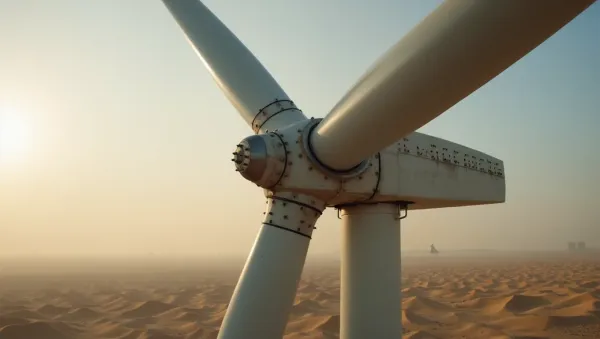
Zero Energy Building Bca
Understanding Zero Energy Buildings (ZEB) in the GCC Context
The question for businesses across the Arabian Gulf is no longer whether to invest in solar — it is how quickly you can recover your capital and begin treating energy as a competitive advantage rather than an overhead cost. In the context of the Arabian Peninsula, this transition is crystallizing into a formal architectural and engineering movement: the Zero Energy Building (ZEB). A zero energy building (ZEB) is not merely a structure with solar panels; it is a holistic ecosystem where the total amount of energy used by the building on an annual basis is equal to the amount of renewable energy created on-site.
For industrial and commercial developers in cities like Riyadh, Dubai, and Doha, achieving this status requires moving beyond basic green building codes toward advanced zero energy building accreditation. In our region, the challenge is magnified by extreme ambient temperatures (often exceeding 45°C to 50°C) and high humidity levels, which place immense strain on HVAC systems. When analyzing "zero energy buildings a critical look at the definition," it becomes clear that for a Gulf project to reach true net-zero status, it must minimize its base load so significantly that local renewable generation—primarily solar PV leveraging high irradiance (averaging 5.5-6.5 kWh/m²/day in KSA)—can realistically offset the remaining demand. This is not just an environmental choice; it is a strategic move toward operational resilience in a region where cooling costs can dominate 40% of a facility's peak electricity demand.
As regional policies align with ambitious targets, such as Saudi Vision 2030 and the UAE’s Net Zero 2050 goals, the definition of "sustainable" is shifting toward "autonomous." By designing for zero energy, developers in the GCC insulate themselves from grid volatility and rising utility costs, creating a more stable fiscal environment for long-term commercial operations.
The Role of BCA Standards in Modern Construction
To navigate the complexities of high-performance construction, developers often look to rigorous frameworks. While various international standards exist, the role of BCA standards—often associated with Building Certification Authority protocols—provides a roadmap for technical excellence. These standards move the needle from "efficient" to "optimal." In modern Gulf construction, these certifications ensure that every component, from the glazing systems to the HVAC integration, is engineered to perform under local climatic stress, including high-salinity coastal air and fine desert sand.
The adoption of such high-level standards allows developers to quantify their progress toward sustainability goals. When a project seeks zero energy building accreditation, it undergoes a rigorous audit of its energy balance. This process often involves an energy auditor building a comprehensive profile of the structure’s lifecycle. The role of this professional is critical; they must identify where "waste" occurs in the system and propose technical interventions to eliminate it. By adhering to these stringent standards, developers can ensure that their assets are not just compliant with today's regulations but are prepared for the stricter requirements of tomorrow.
Furthermore, integrating these standards into the initial design phase—rather than as a retrofit—is essential for maximizing ROI. A building designed from the ground up to meet zero energy building journal standards for high-performance envelopes significantly reduces the amount of solar infrastructure required to hit net-zero targets. This synergy between architectural integrity and renewable technology is what separates standard commercial projects from market-leading assets in prime locations like the King Abdullah Economic City (KAEC) or industrial zones in Jubail.
Overcoming Gulf Climate Challenges: Insulation and Passive Cooling
In the Arabian Gulf, the primary hurdle to achieving a zero energy building status is the sheer intensity of the climate. To achieve net-zero operational energy in extreme desert climates, one must first conquer the "heat gain" problem. One of the most effective interventions for net-zero performance in the Gulf lies in the building envelope. Because cooling accounts for such a massive portion of annual electricity consumption, the building’s exterior must act as a high-performance thermal barrier against intense solar radiation.
Passive design strategies are the first line of defense. This includes high-thermal-mass materials, advanced glazing with low solar heat gain coefficients (SHGC), and strategic orientation to minimize direct sun exposure during peak hours. When these passive systems successfully reduce building cooling loads, the "active" portion of the energy equation—the renewable generation—becomes much more manageable. For example, a villa complex or commercial facility that utilizes superior insulation and shading requires significantly less power to maintain habitable temperatures in cities like Riyadh or Muscat.
Beyond the envelope, industrial-scale systems must be optimized for the local environment. This includes high-efficiency HVAC systems integrated with smart building management systems (BMS) that modulate energy use based on real-time occupancy and outdoor conditions. While some might look toward other sources of power, such as considering what is wind energy definition or what is wind energy class 10 in specific coastal corridors, the prevailing consensus for Gulf commercial infrastructure remains centered on solar. The high irradiance levels in the region make rooftop and integrated photovoltaic (PV) systems a primary driver for achieving net-zero status. By combining these advanced passive strategies with robust active generation, developers can create buildings that are not just sustainable, but resilient.
Economic Incentives and ROI for Certified Zero Energy Projects
The transition to zero energy buildings is increasingly driven by the bottom line. For commercial investors, a ZEB certification is a powerful tool for asset valuation and ESG (Environmental, Social, and Governance) compliance. In the modern investment landscape, projects that demonstrate high levels of self-sufficiency are viewed as lower-risk assets with higher long-term viability.
The economic argument for ZEB construction is twofold: immediate operational savings and enhanced capital value. By reducing dependence on the grid—and aligning with local utility standards such as those set by the Saudi Electricity Company (SEC)—a business stabilizes its overhead costs against fluctuating energy prices. Furthermore, the integration of rooftop photovoltaic (PV) systems has emerged as a key active retrofit strategy in hot, high-irradiance regions. Recent studies show that appropriately sized solar arrays can offset a vast majority of annual electricity use, bringing the facility remarkably close to—or achieving—net-zero operation. This capability transforms a building from a passive consumer of resources into an active participant in the energy economy.
From a risk management perspective, ZEB certification provides a hedge against future carbon taxes or stricter environmental mandates. As Gulf nations push toward more sustainable urban development, buildings that already meet zero-energy standards will command a premium in the real estate market. They are easier to lease, lower to operate, and demonstrate a commitment to corporate responsibility that resonates with global investors. The investment is not merely in "green" technology; it is an investment in operational efficiency and the creation of a high-value, future-proof asset.
Maintenance planning for these systems also plays a vital role in long-term ROI. A well-executed ZEB project includes a comprehensive lifecycle plan where both the passive elements (building envelope) and active components (solar PV arrays and smart controls) are maintained to ensure peak performance over decades. By proactively managing these systems, operators can avoid the costs of premature equipment failure and ensure that the building continues to deliver its promised energy savings throughout its operational life.
Ultimately, the move toward zero energy buildings in the GCC is a strategic evolution. It aligns technical innovation with regional economic goals, ensuring that the infrastructure of today can support the ambitions of tomorrow. For the savvy investor, the choice is clear: build for the future by integrating high-performance design with robust renewable integration.
Key Takeaways:
- Strategic Asset Valuation: Zero Energy Buildings (ZEB) offer significant advantages in ESG compliance and property valuation, positioning assets as premium, low-risk investments.
- Passive First Approach: The most effective way to reach net-zero in the Gulf is through a high-performance building envelope that minimizes cooling loads before active generation is even calculated.
- Operational Resilience: Reducing grid dependence through integrated solar PV systems provides a hedge against fluctuating energy costs and enhances long-term operational stability.
- Future-Proofing: Aligning with regional sustainability goals like Saudi Vision 2030 ensures that infrastructure remains compliant with increasingly stringent environmental regulations.
Related articles
- Optimizing Investment Returns: A Strategic Guide to Green Building Solutions for Jeddah's Commercial Sector
- Achieving Energy Security: A Homeowner’s Guide to Choosing Solar Batteries in KSA
- best off-grid solar system for home
- Choosing the Best EV Charging App for Electrified Roads in the Arabian Gulf
- Decoding Your Drive: A Guide to Choosing the Best EV Charging Network in the Arabian Gulf
Explore topics: Zero Energy Building Bca, Gulf, Renewable Energy
The information in this article is for educational purposes only. Always verify specifications, availability, and suitability with a qualified supplier or engineer before making purchasing or installation decisions.