
Achieving Energy Security: A Homeowner’s Guide to Choosing Solar Batteries in KSA
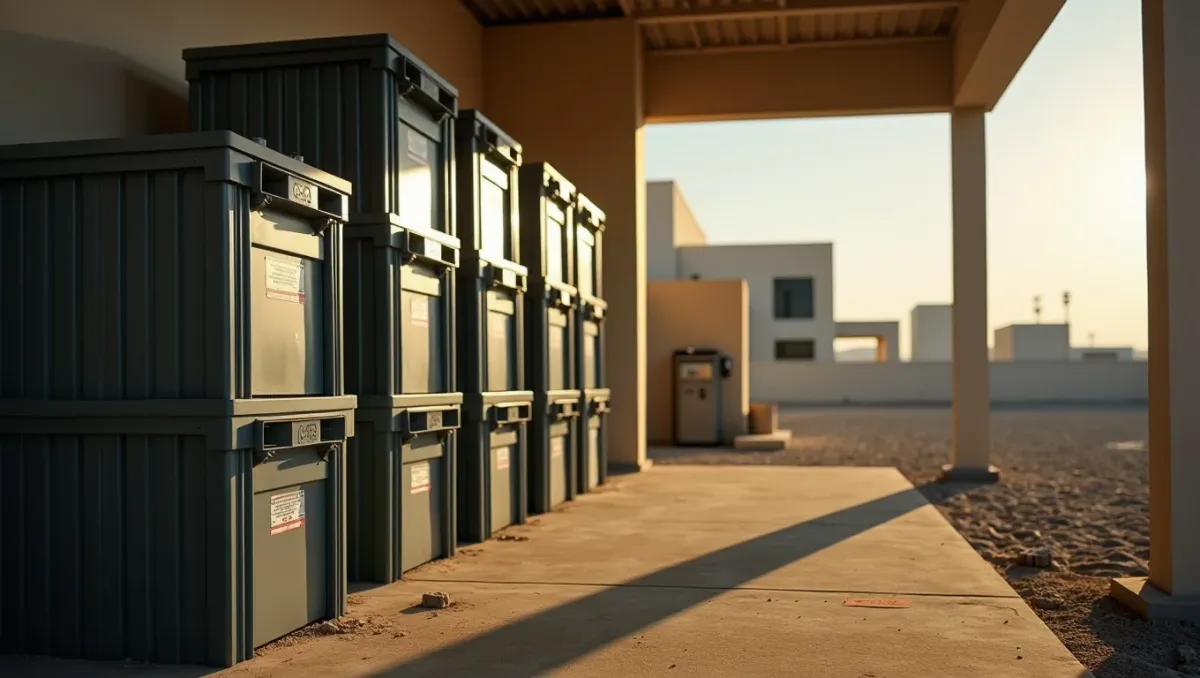
In the Kingdom of Saudi Arabia (KSA), reliable power is non-negotiable. From powering essential cooling systems in our villas during peak summer heat—when temperatures can soar above 45°C—to maintaining critical loads when the grid experiences instability, energy resilience is paramount. While solar panels are fantastic at capturing the sun's abundant energy, they only solve half the puzzle. The other half—the storage—is where the true magic of self-sufficiency happens.
Many homeowners wonder: "What kind of battery should I buy?" It’s a complex question because batteries are not one-size-fits-all; they are highly specialized components designed for specific tasks. Think of your solar system like a sophisticated plumbing network—the panels bring the water (energy), but the battery bank is the high-capacity reservoir that keeps everything running when the main supply line (managed by SEC) pressure drops. We want to ensure your home has reliable, sustained power, regardless of what Mother Nature or city infrastructure throws its way.
This guide will walk you through the science and the practical considerations so that when you feel confident about where your energy comes from, you can make the best choice for achieving true energy security in our unique Gulf environment.
Deep Dive: Understanding Battery Chemistry for Solar Power
Before we discuss which battery is "best," we must first understand what batteries actually do. In simple terms, a battery stores electrical potential energy—the ability to deliver power when needed. But the chemistry used dictates how long it lasts, how deep you can drain it, and how safe it is.
When talking about solar storage, it's crucial to understand three modes of battery use:
- Standard (Shallow Cycle) Batteries: These are designed for brief, frequent discharges. Think of a phone or a laptop battery; they power small devices until the charge is nearly depleted and then get recharged quickly. They aren't meant to run major appliances for hours on end.
- Deep Cycle Batteries: This term refers not to the chemistry itself, but to the *use case*. A deep cycle battery is engineered to be discharged repeatedly—meaning you can use a significant portion of its total stored energy (the "depth of discharge") and still have enough reserve life left for many cycles. Solar storage systems absolutely require this capability.
- Solar Storage Batteries: This is the overall system component designed specifically to capture, store, and release power generated by solar photovoltaic panels (PV). The underlying chemistry dictates its performance in this role.
The core chemical difference comes down to how materials react when electricity flows through them. We are dealing with a delicate dance of electrochemistry.
Choosing the Right Storage Solution: LiFePO4 vs. Lead-Acid in the KSA Climate
Historically, two main families of batteries have dominated the market: those based on lead (Lead-Acid) and those using lithium iron phosphate chemistry (LiFePO4). The choice between them is a careful balance involving longevity, efficiency, and suitability for our extreme climate.
1. Lead-Acid Batteries (AGM/Gel):
These are the traditional workhorses of battery storage. They are robust and widely understood by technicians. Within this family, you might encounter Absorbent Glass Mat (AGM) batteries or Gel batteries. Both are designed to prevent the electrolyte from spilling out, making them safer for installation in residential settings.
The Gulf Consideration: Lead-acid chemistry is highly susceptible to degradation from high ambient temperatures and repeated deep discharges—conditions that are very common during long summer power outages across regions like Jeddah or Riyadh. Extreme heat accelerates the natural processes of chemical deterioration, significantly reducing the battery’s overall lifespan compared to its rated capacity.
2. Lithium Iron Phosphate (LiFePO4):
This is a modern chemistry that has gained significant popularity in solar storage due to its superior performance characteristics. LiFePO4 stands for Lithium Iron Phosphate, and it is the material science basis of these advanced batteries.
- Longevity and Cycles: These batteries can withstand a much higher number of discharge cycles (the total times they are fully used and recharged) before their capacity noticeably drops. This translates directly into years of reliable service in a high-demand environment like a large villa compound.
- Temperature Resilience: While all batteries suffer in extreme heat, LiFePO4 chemistries handle the wide temperature variations common in our region much better than traditional lead-acid types.
- Efficiency and Depth of Discharge (DOD): They can be discharged much deeper—meaning you can use more of their stored energy without damaging them—and they are incredibly efficient at converting stored chemical energy into usable electricity, even when running critical A/C loads.
Technical Summary: While lead-acid batteries offer a lower initial barrier to entry, LiFePO4 presents characteristics that should be carefully weighed against the specific operational demands and budget required for long-term energy security in KSA.
Sizing Your System: The Formula for Optimal Energy Independence
Knowing what chemistry to use is only half the battle; knowing how large your storage bank needs to be is equally critical. Sizing a battery system involves calculating not just how much power you need *at one moment*, but how much power you need sustained over an entire period of potential grid failure, considering all your essential appliances.
The goal is energy independence, which means sizing the storage capacity (measured in kilowatt-hours, or kWh) to cover your critical loads for a defined number of hours without any solar input. This calculation must account for several factors:
- Critical Load Analysis: You must identify every appliance that is essential during an outage—this typically includes lights, refrigerators, medical equipment, and most crucially in the Gulf, the cooling system components (A/C).
- Daily Energy Usage (kWh): For a period of time (say, 24 hours), you calculate the total energy needed by multiplying the wattage (power) of each appliance by the number of hours it runs. The unit for this is Watt-hours (Wh).
- Autonomy Days: This refers to how many days you want your battery bank to run your critical loads without any charging input from the sun. Due to weather variability, most experts recommend planning for at least 1–2 full autonomy days.
The required capacity (C) can be roughly determined by multiplying your total daily essential energy usage by your desired autonomy days. However, you must factor in the Depth of Discharge (DOD). Since discharging a battery completely damages it, you cannot use 100% of its stated capacity. Different chemistries have different safe maximum DOD percentages, which should be confirmed with a professional.
- When sizing for high reliability, certain advanced chemistries allow for deeper usage ranges than traditional options.
- Other chemistry types are designed with lower usable DoD limits to maximize their lifespan.
Therefore, the actual required battery bank size is significantly larger than your simple daily usage calculation suggests. This ensures that even when accounting for safety limits and potential inefficiencies, you still have enough stored energy to keep essential systems running.
Installation and Maintenance Tips: Maximizing Battery Life in Harsh Environments
A powerful battery system is only as good as its installation and maintenance routine. The intense heat, dust, and humidity of the Gulf region require specific considerations that go beyond standard best practices.
1. Temperature Management (The Heat Factor)
Heat is the number one enemy of battery longevity. High ambient temperatures increase internal chemical reactions, which speeds up degradation and reduces available capacity. For any system installed in a villa setting, proper temperature regulation is crucial. Batteries should never be stored directly exposed to intense sunlight or trapped in unventilated outdoor enclosures.
Analogy: Just as you wouldn't leave your car idling under the scorching midday sun for hours on end—it overheats and stresses its components—your batteries must be kept in a cool, stable environment. Ideally, this means an enclosed area with adequate ventilation that minimizes direct heat absorption.
2. Ventilation and Airflow
Batteries generate heat as they operate (especially when charging or discharging). If the surrounding air cannot move freely around them, the internal temperature rises rapidly, creating a dangerous feedback loop of overheating and degradation. Ensure your installation design includes sufficient airflow pathways to allow cool, fresh air to circulate constantly.
3. Monitoring and System Integration
Modern solar systems integrate sophisticated monitoring tools that report not just the voltage or current (measured in Volts and Amps), but also the battery's internal state of health (SOH). Regularly reviewing this data is essential. If the system alerts you to declining SOH, it means the chemistry is degrading faster than expected, requiring professional assessment.
4. Handling Dust and Humidity
The coastal environment brings high humidity and fine desert sand. All connections must be professionally sealed (using appropriate gaskets and junction boxes) to prevent corrosive elements from entering the battery terminals or internal wiring. Corrosion is a silent killer of electrical efficiency, so meticulous sealing is non-negotiable.
What This Means For You
Achieving genuine energy security in our region requires moving past the mindset of simply "saving electricity." It means planning for uninterrupted life support. When consulting with experts, do not just ask about the initial setup; focus on:
- Longevity: Ask how many years and how many full cycles the specific chemistry can reliably handle under continuous high-heat conditions (45°C+).
- Scalability: Ensure the system architecture allows you to add more storage capacity later without replacing everything, accommodating future increases in your A/C load or other critical appliances.
- Monitoring: Confirm that the system includes remote monitoring capabilities so that any performance dips due to heat or degradation are flagged immediately.
By understanding the chemistry—the fundamental materials science—and by meticulously sizing your storage based on your true critical needs, you can build a solar system that offers not just power, but enduring peace of mind.
Your Next Steps Towards Energy Resilience
- Audit Your Critical Loads: Before speaking with any technician, create a detailed list and estimate the running hours for every appliance you absolutely cannot live without during an outage (especially cooling).
- Research Chemistry Suitability: Educate yourself on the differences between various battery types in the context of high ambient temperatures to guide your conversation with experts.
- Plan for Ventilation: When planning your installation, ensure that adequate space is allocated around the battery bank for cool, unobstructed airflow—this is as important as the batteries themselves.
Related articles
- Harnessing the Sun's Full Potential: How Does a Battery Energy Storage System Work?
- Optimizing Industrial Resilience: A Buyer’s Guide to Battery Storage for Commercial Solar in the Arabian Gulf
- Your Comprehensive Guide to Off-Grid Solar System Design and Installation in Saudi Arabia
- best off-grid solar system for home
- Choosing the Best EV Charging App for Electrified Roads in the Arabian Gulf
Explore topics: Batteries, Gulf, Renewable Energy
The information in this article is for educational purposes only. Always verify specifications, availability, and suitability with a qualified supplier or engineer before making purchasing or installation decisions. For local grid connections, consult SEC guidelines regarding net metering programs.



