
Harnessing the Sun's Full Potential: How Does a Battery Energy Storage System Work?
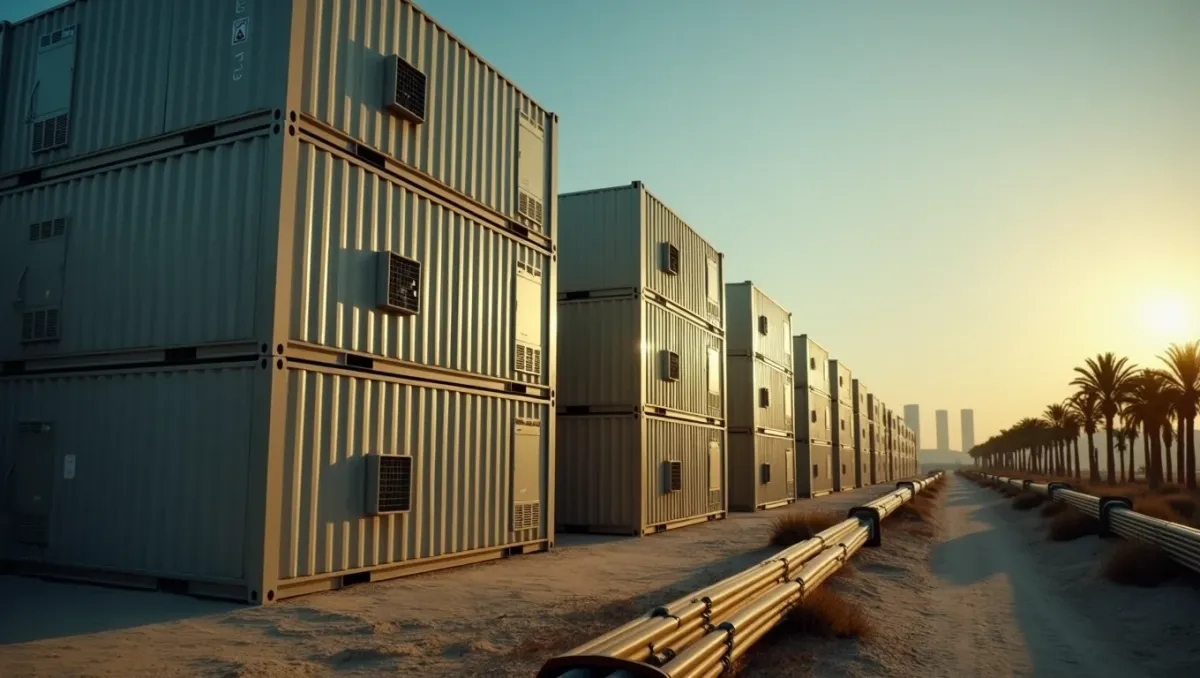
For generations, our energy needs have been met by centralized power stations—large facilities that generate electricity and send it out through vast networks of wires to our homes and compounds. This model has served us well. But as the Gulf region embraces its future powered by solar energy, a new question has emerged: What happens when the sun sets? How do we keep the lights on, maximize the clean power we generate during the day, and ensure that our electrical system remains stable even when demand spikes?
The answer lies in Battery Energy Storage Systems (BESS). If solar panels are like rechargeable water tanks filling up with potential energy from the sun, then a BESS is the sophisticated pump and mechanism that allows us to save, manage, and deploy that power exactly when we need it. It’s not just a big bank of batteries; it's an integrated system designed to maximize efficiency and resilience.
Think of your solar inverter like the translator between your panels and your compound—without it, all that energy the sun provides would simply have nowhere useful to go. Similarly, think of the entire storage system as a sophisticated manager ensuring every joule of captured sunlight is used effectively, whether immediately or hours later.
What is Battery Energy Storage? A Simple Overview
At its simplest, a Battery Energy Storage System (BESS), or ESS for short, is any technology designed to capture excess electrical energy and convert it into a storable form—typically chemical potential within specialized batteries—for later use. It moves far beyond the idea of simply having a battery; it encompasses the entire architecture required to safely charge, store, monitor, and discharge that power.
To understand this properly, we need to talk about energy types. When solar panels capture sunlight, they generate Direct Current (DC) electricity. DC is the type of current found in batteries and smaller electronics—it flows in a single direction. However, most appliances in our homes, from refrigerators to air conditioners, run on Alternating Current (AC). AC is the standard grid power supplied by utility companies; it changes direction back and forth rapidly.
A BESS solves this fundamental mismatch. It captures the DC energy when the sun shines brightly over Riyadh or Jeddah and stores it efficiently. When we need power—say, at night or during a cloud cover—the system performs a controlled conversion, releasing that stored DC power as usable AC power for our consumption. This ability to manage both forms of electricity is what makes the BESS so vital.
When we look at residential applications (like powering a single villa and its compound), the goal is often simple backup or maximizing self-consumption—using the energy generated on your rooftop before relying on expensive grid power. For large commercial or utility-scale projects, however, the scope expands dramatically. These massive systems are designed to stabilize entire districts in the Eastern Province or even regional grids, making them foundational elements of national goals toward achieving energy independence.
The Mechanics of Operation: Charging, Storing, and Discharging Power
Understanding how a BESS operates is like watching a perfectly managed flow of water through a complex plumbing system. The process moves in three distinct phases:
1. Charging (Capturing the Energy)
The cycle begins when solar irradiance—the amount of solar power hitting a surface—is high, perhaps during peak hours over the Arabian Peninsula. Your solar photovoltaic (PV) panels generate DC electricity. This excess DC energy does not immediately go to powering your home; instead, it is routed through the system’s charging mechanism and into the battery bank. The batteries act like sponges, soaking up this surplus electrical charge and chemically storing it.
2. Storing (The Waiting Game)
While the energy is stored, specialized components ensure its safety and longevity. This phase involves monitoring the state of charge—which tells us how full the batteries are—and maintaining the optimal temperature. Because we live in regions with extreme ambient temperatures, this storage period requires sophisticated thermal management within the battery enclosure. If the temperature gets too high or too low, the efficiency drops, or worse, safety risks emerge. The system must actively cool and protect the cells to ensure they can hold their charge reliably for years.
3. Discharging (Using the Energy)
When peak demand hits—for instance, when everyone in a community turns on air conditioning simultaneously during sweltering summer months, or when the sun dips below the horizon at night—the BESS kicks into action. The stored DC energy is drawn out and passed through an inverter (which we will discuss next). This process converts the safe, stored DC power back into usable AC current, seamlessly powering your villa or feeding it back into a local microgrid until the solar panels can take over again.
This continuous loop of capturing, storing, and releasing energy is what makes BESS such a powerful tool for modern energy resilience. It ensures that when the sun isn't shining (or when demand exceeds generation), we still have reliable power available.
Anatomy of an ESS: Understanding the Key Components (BMS, Inverter, Cells)
A BESS is not a single box; it is a sophisticated ecosystem composed of several critical components that must work together flawlessly. To understand how robust these systems are, let’s look at the three main parts:
The Battery Cells (The Reservoir)
These are the heart of the system—the physical units that actually hold the energy. While many types exist, modern large-scale residential and commercial installations often utilize advanced lithium-ion chemistry because of its high energy density (meaning it stores a lot of power in a small space) and excellent cycle life (how many times it can be charged and discharged). The cells are grouped together into modules, which are then arranged into the final battery bank.
The Battery Management System (BMS) (The Brain)
If the cells are the muscle, the BMS is the central nervous system. Its job is paramount for safety and longevity. The BMS constantly monitors dozens of variables across every single cell in the bank, including voltage levels, current flow, temperature, and overall health. It ensures that no single part overcharges (which can damage it) or deep-discharges (which kills capacity). When you plug in a BESS, the BMS is the component that prevents catastrophic failure, ensuring everything operates within safe parameters.
The Inverter/Converter Unit (The Translator)
As we touched on earlier, this unit handles the crucial conversion from DC to AC. The inverter takes the stored DC power and transforms it into high-quality AC power that your appliances understand—the same kind of electricity running through your utility grid wires (standard 220V/60Hz in KSA). A good quality inverter is highly efficient; it minimizes energy loss during this transformation process. This component is essential for maximizing the useful output drawn from the stored energy.
These three components—Cells (storage), BMS (protection/optimization), and Inverter (conversion)—form a cohesive unit that manages the entire journey of solar electricity, guaranteeing reliable power whenever needed.
Why Does the Gulf Need Energy Storage? Enhancing Resilience and Grid Stability
The need for sophisticated energy storage in the Arabian Gulf is not merely an upgrade—it is an economic and strategic necessity. The region is undergoing a profound industrial transformation, driven by ambitious national visions that prioritize sustainable development and energy security. Integrating massive amounts of intermittent solar power into existing grids presents unique challenges, all of which BESS technology solves.
Addressing Intermittency
The sun provides incredible energy, but it is inherently unpredictable. Clouds roll in, the intense heat haze can briefly obscure panels, and nighttime arrives. This variability is called intermittency. If a large percentage of our power supply suddenly drops because of weather or dust storms like haboobs over Jubail, the grid could become unstable—a condition known as 'brownout' or even a full blackout. By storing excess energy during peak times (like midday), BESS acts like a giant shock absorber for the entire regional grid, keeping the voltage and frequency steady regardless of short-term weather changes.
Peak Demand Management
Consider the extreme demands placed on electrical infrastructure in the Gulf. During sweltering summer months, when temperatures soar past 45°C, the collective use of air conditioning units creates massive surges in demand—these are called peak loads. These peaks require generating extra power rapidly. Instead of needing to fire up highly polluting and expensive "peaker plants" just for a few hours during this narrow window, BESS can discharge its stored energy precisely at that moment. This stabilizes the grid, reduces strain on fossil-fuel generators, and significantly boosts overall efficiency.
The Drive for Energy Resilience
Energy resilience refers to the ability of a system to withstand disturbances—whether they are weather-related (such as fine desert sand accumulation), operational failures, or geopolitical disruptions. From a national security standpoint, achieving energy independence is paramount. By integrating ESS, nations reduce their reliance on single sources of fuel and enhance self-sufficiency. This aligns perfectly with regional strategies emphasizing renewable resilience across the GCC.
What This Means For You
For the homeowner or commercial property owner in the Gulf, understanding BESS translates into tangible benefits that improve quality of life and financial stability. It means moving from being a passive consumer of electricity to an active participant in your own energy ecosystem.
- Uninterrupted Lifestyle: The most immediate benefit is reliable backup power. If utility services are disrupted, the BESS ensures critical systems—like medical equipment or essential cooling units—remain operational, providing peace of mind that no amount of dust storm or grid issue can compromise your routine.
- Optimized Savings: By storing solar energy and using it during peak-rate hours (when utility electricity is most expensive), you maximize the value of every kilowatt-hour (kWh) generated on your own roof, significantly lowering your overall monthly power bill through mechanisms like local net metering programs.
- Future-Proofing Your Property: As national grids increasingly mandate higher percentages of renewable energy sources and push for sustainable development across major industrial cities, having a storage system makes your property more resilient and valuable, positioning you at the forefront of sustainable living in the region.
Ready to Take Control of Your Power?
Adopting battery storage is an investment in reliability and sustainability. It allows us to fully capitalize on the abundant solar resources that make our region a global leader in renewable energy adoption. Understanding how these systems work empowers you to make informed decisions about your home’s future.
Three Simple Steps You Can Take Today:
- Assess Your Consumption Patterns: Start by tracking your electricity usage for at least one month. Note when your compound uses the most energy (e.g., peak afternoon cooling, or evening cooking). This data will help an expert size the ideal storage capacity needed for maximum impact.
- Review Local Grid Resilience: Understand the reliability history of your specific area. Knowing if your neighborhood experiences frequent load shedding or power fluctuations helps determine whether basic backup is enough, or if a full grid-scale integration is necessary.
- Consult with Qualified Experts: Approach reputable energy consultants who specialize in renewable solutions for the Gulf market. They can provide site assessments and help you model various storage scenarios to ensure the system meets your unique needs without over-engineering the solution.
Related articles
- Optimizing Industrial Resilience: A Buyer’s Guide to Battery Storage for Commercial Solar in the Arabian Gulf
- Achieving Energy Security: A Homeowner’s Guide to Choosing Solar Batteries in KSA
- Your Comprehensive Guide to Off-Grid Solar System Design and Installation in Saudi Arabia
- Energy Storage Systems in Saudi Arabia: Optimizing the Modern Gulf Grid
- Home Battery System Gulf Guide: Achieving Energy Independence in KSA
Explore topics: Batteries, Gulf, Renewable Energy
The information in this article is for educational purposes only. Always verify specifications, availability, and suitability with a qualified supplier or engineer before making purchasing or installation decisions.



