
Home Battery System Gulf Guide: Achieving Energy Independence in KSA
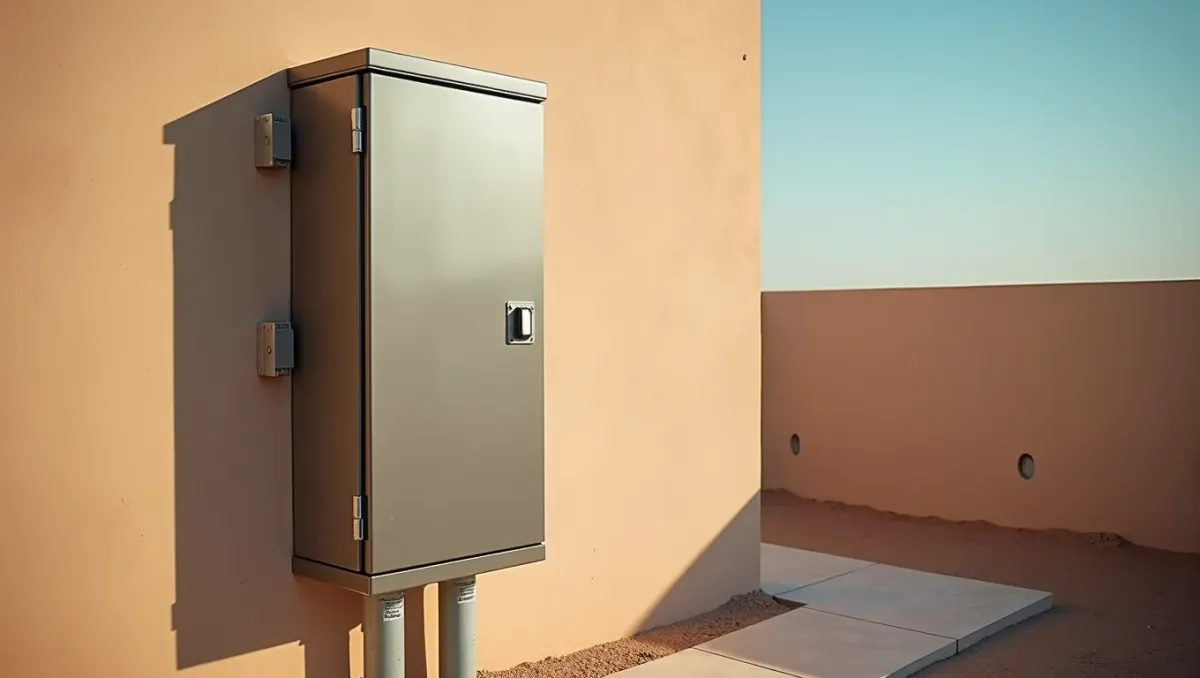
For years, we have watched the sun shine brilliantly over our villas and compounds across Saudi Arabia. We've seen how solar panels can capture that incredible energy, turning sunlight into usable electricity right on your rooftop. But even with such high solar irradiance—averaging strong levels throughout the region—there’s a critical question every homeowner eventually asks: What happens when the sun sets, or when the grid experiences an unexpected dip?
This is where the concept of a home battery system Gulf comes into play. These systems are not just fancy gadgets; they represent a fundamental shift in energy security and independence for modern Gulf living. Think of them as your personal power reserve—a reliable safety net that ensures your daily life continues smoothly, regardless of what the Saudi Electricity Company (SEC) grid is doing.
As discussions around national energy resilience grow, understanding how to store your own solar power has never been more important. This comprehensive guide will walk you through everything you need to know about residential energy storage, tailored specifically for the unique energy needs and extreme conditions of Gulf homes.
What is a Home Battery System and Why Is Energy Storage Critical in KSA?
Simply put, a home battery system (or residential energy storage) is an electrical reservoir installed at your property that collects excess electricity—often generated by solar panels—and stores it for later use. When you charge this battery using the sun's power, you are essentially taking advantage of peak solar irradiance levels and storing that maximum potential energy right where you need it.
To understand why these systems are so valuable in our region, let’s look at a few key scenarios common to life here:
- The Summer Heat Stress (45°C+): During the height of summer, when ambient temperatures soar and air conditioning units run non-stop, your household's overall energy consumption skyrockets. Your biggest energy users—AC units, refrigerators, water heaters—demand massive amounts of power simultaneously.
- Grid Reliability Concerns: While utility providers work hard to keep the lights on, occasional voltage fluctuations or temporary blackouts are a reality in many compounds and industrial areas like Jubail. When these events happen, a standard solar setup might simply shut down with the grid, leaving you without power until service is restored.
- Environmental Challenges: The unique combination of fine desert sand, saline coastal air (especially near Jeddah), and occasional haboob storms can stress infrastructure and make uninterrupted backup power critical for safety and comfort.
Understanding the Difference: Storage vs. Backup vs. Time-Shifting
When people talk about batteries, they sometimes use different terms. It’s important to clarify what these systems do:
- Backup Power (Resilience): This is the most immediate function. If a blackout occurs, the battery immediately takes over, providing reliable power to essential circuits—lights, pumps, and critical appliances—until utility power returns. It’s your emergency lifeline.
- Energy Time-Shifting (Load Management): This is perhaps the cleverest feature. Imagine running your pool pump or charging an electric vehicle right after peak solar hours when your battery is full. Instead of using expensive SEC grid electricity, you are ‘time-shifting’—using stored energy instead of newly generated power from the utility company.
- Grid-Tied Storage: This describes the connection itself. It means your batteries and solar system are physically connected to your home’s main electrical panel and also linked (or "tied") to the local grid, allowing them to draw power when needed but also safely exporting excess energy back into the network.
In essence, a battery gives you control over when and how you use your generated electricity, making you less reliant on external sources.
How Does Residential Energy Storage Work? (The Solar + Battery Flow)
To understand the magic happening inside, we need to follow the journey of energy. It’s a closed loop system that manages power from generation all the way to consumption.
- Generation: The solar panels capture sunlight (photons), which are converted into Direct Current (DC) electricity.
- Conversion and Management (The Inverter): DC electricity cannot be used directly by most household appliances, which run on Alternating Current (AC). This is where the solar inverter comes in. Think of your solar inverter like the translator between your panels and your home—without it, all that energy the sun provides would simply have nowhere useful to go. The inverter’s job is to convert the raw DC power into usable AC power for your villa (consult local electrical standards for specific voltage requirements).
- Charging (The Battery): When the sun shines brightly—and we know our irradiance levels here are fantastic!—your solar system generates more power than your home needs at that moment. Instead of letting that excess energy disappear, a sophisticated controller directs it to charge the battery bank. A battery bank is simply a collection of chemical cells designed to store electrical energy efficiently.
- Discharge (Usage): When the sun sets or when the grid goes down, the inverter detects the drop in power and automatically switches its source. It begins drawing stored DC electricity from the battery bank, converts it back into usable AC electricity, and feeds it directly into your home’s circuit panel, keeping the lights on without interruption.
This seamless integration means that when you need power most—like running the AC unit during a sweltering evening—the battery is ready to deliver it instantly.
Choosing Your Perfect System: Key Factors for Gulf Homes
Sizing and selecting a system is not about buying the biggest battery; it’s about matching the storage capacity to your actual lifestyle. Several factors specific to our region must guide this decision.
1. Determining Optimal Capacity (kWh)
The single most important factor is determining the right capacity, measured in kilowatt-hours (kWh). kWh tells you how much total energy the battery can hold—like knowing if your car’s tank can hold enough fuel for a long drive.
To size correctly, an engineer will analyze your household's consumption profile. They look at everything from how many people live in the villa to which appliances run the longest (often AC units). If you know that during peak usage hours—say 4 PM to 10 PM—your home typically consumes 5 kWh of power, then your battery needs a capacity significantly greater than what is required for just an emergency few hours.
A good rule of thumb is to calculate how many hours you need to maintain critical loads (lights, medical equipment, pumps) and multiply that by the average power draw during those hours. This ensures resilience against extended outages.
2. Integration with Existing Infrastructure
Modern battery systems are designed for integration. They connect directly to your home’s main electrical panel and coordinate with your existing solar inverter. A professional installation will ensure that the system can seamlessly handle power coming from three sources: 1) The SEC grid, 2) Your solar panels, and 3) The battery bank itself.
This coordination is managed by smart software—the "brain" of the system—which constantly monitors incoming energy levels (solar production), outgoing demand (your appliances), and stored reserves. This ensures you always use the most economical source available.
3. Considering Load Management
Beyond just backup power, modern batteries enable load management. This is where the system can intelligently prioritize power. If the battery is running low, but your refrigerator (essential) and pool pump (nice to have) are both drawing power, the smart system might automatically throttle back the non-essential loads first, ensuring that critical functions remain operational.
Calculating the Return on Investment: Is Battery Storage Right for You?
When considering any major home upgrade, homeowners rightly ask about the return on investment (ROI). For battery storage, the ROI calculation is complex because it involves both tangible savings and intangible security benefits. We need to look beyond just the hardware cost.
1. Mitigating Peak-Hour Tariffs
Many utilities implement Time-of-Use (TOU) tariffs—these are electricity rates that charge different amounts depending on the time of day. Power used during peak demand hours (like hot evenings when everyone is running AC) costs significantly more than power used at night or midday. By using your stored solar energy from the battery instead of drawing expensive SEC grid power during those high-cost times, you achieve direct and measurable savings.
2. Reducing Reliance on Backup Generators
Before batteries became common, homeowners relying on backup power often turned to diesel generators. While reliable, these generators are costly to run due to fuel consumption and generate pollution. A home battery system offers a clean, quiet, and highly efficient alternative that eliminates the recurring expense of transporting and burning fuel.
3. The Value of Resilience
This is often the hardest thing to quantify but arguably the most important: peace of mind. In a region where extreme weather events or unexpected infrastructure issues can occur, knowing that your family’s critical systems—medical equipment, communication, cooling—will run independently provides immense value. This resilience factor alone makes battery storage a powerful investment in total home security.
💡 What This Means For You
- Focus on Optimization, Not Just Power: Don't just look at the raw kWh number. Work with an expert to model your actual consumption patterns—especially during peak summer hours and known outage periods in your compound or city.
- Maximize Solar Yield: A battery is useless if it isn't charged. Pairing storage with excellent solar panels ensures you are capturing and retaining the maximum potential energy available from our brilliant Gulf sun.
- Prioritize Essential Loads: When designing your system, always identify and prioritize the absolute must-have loads (e.g., refrigeration, medical devices) over secondary ones (e.g., decorative lighting). This maximizes safety during an outage.
Next Steps to Achieving Energy Independence in KSA
Taking the leap into energy storage is a significant decision, but by following these simple steps, you can move toward understanding exactly what your home needs and how to achieve true power independence.
- Conduct an Energy Audit: Start by gathering data on your current electricity usage. Note down which appliances are running when they use the most power. This audit forms the foundation for accurate sizing.
- Assess Your Critical Needs: Write a list of all essential items that must remain powered during an outage (e.g., pump, refrigerator, medical devices). This defines your minimum required backup capacity.
- Consult with Local Experts: Speak with qualified renewable energy engineers who understand local SEC grid conditions and solar potential across different regions—whether you are in the Eastern Province or a private compound near NEOM. They can provide tailored designs that maximize both efficiency and resilience for your specific villa.
Related articles
- Optimizing Energy Independence: A Technical Guide to Hybrid Solar Inverter Systems in KSA
- Your Comprehensive Guide to Off-Grid Solar System Design and Installation in Saudi Arabia
- The Off-Grid Solar System Design & Installation Manual: Guide for KSA Homeowners
- Advanced Energy Storage Systems for Grid Reliability in Saudi Arabia
- Choosing the Right UPS for Solar Backup: A Guide to Energy Resilience in the Arabian Gulf
Explore topics: Batteries, Off Grid, Gulf, Saudi Arabia
The information in this article is for educational purposes only. Always verify specifications, availability, and suitability with a qualified supplier or engineer familiar with local KSA standards before making purchasing or installation decisions.



