
Optimizing Energy Independence: A Technical Guide to Hybrid Solar Inverter Systems in KSA
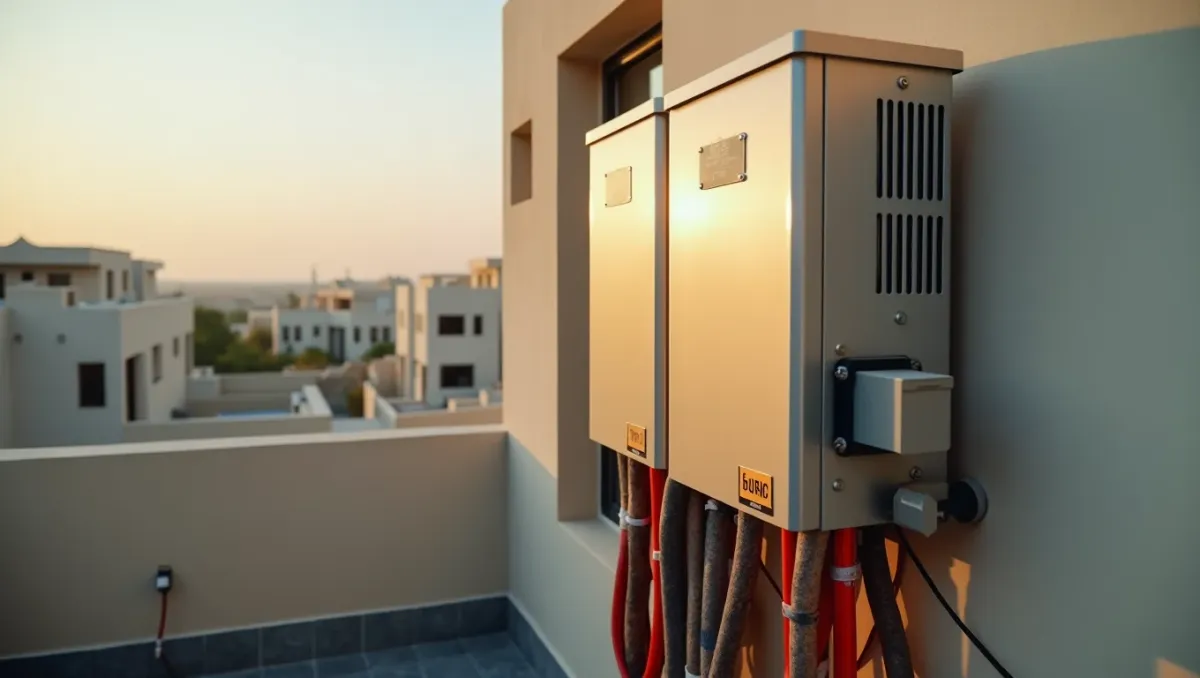
The transition toward decentralized power generation is a critical infrastructural shift towards energy security. For residents and commercial consumers across Saudi Arabia, understanding how to install a hybrid solar inverter with battery is paramount. Given the extreme ambient temperatures (often reaching 45°C or higher) and high irradiance levels in the Gulf, a robust system is essential. A hybrid solar inverter represents the zenith of modern energy management; it functions as a dynamic, intelligent hub that manages all incoming energy sources—solar DC, grid AC, and battery DC—simultaneously and optimally.
What is a Hybrid Solar Inverter System? (Advanced Energy Management)
To grasp the value of a hybrid system, one must distinguish it from its predecessors. A standard string inverter operates primarily as an AC-to-DC or DC-to-AC converter, optimizing power flow between PV arrays and the utility grid under ideal conditions. Its core function is maximizing Maximum Power Point Tracking (MPPT) efficiency.
A hybrid inverter, however, operates on multiple voltage domains and manages energy flow with predictive intelligence. It integrates three critical functionalities: solar DC input management, battery DC storage management, and seamless AC interaction with the utility grid managed by SEC (Saudi Electricity Company). It is not simply a converter; it is the central nervous system of your entire energy independence strategy.
This advanced capability allows the system to dynamically prioritize energy usage. For instance, when irradiance levels are low due to fine desert sand accumulation or haboob storms—common occurrences across Riyadh and Jeddah—the hybrid inverter intelligently draws power from the stored DC battery capacity while maintaining grid synchronization capability. Crucially, if the utility grid fails, the system automatically isolates itself (anti-islanding), transitioning smoothly into a stable off-grid mode powered entirely by local resources.
Deconstructing the Components: Inverters, Batteries, and PV Arrays Explained
A robust hybrid system relies on the precise synergy of three distinct components. Understanding their roles is key to successful solar inverter installation.
Photovoltaic (PV) Arrays
The PV array serves as the primary energy generation source. Modern crystalline silicon panels convert incident solar irradiance into direct current (DC) power. In KSA, while the region offers exceptional solar potential and high average GHI, high ambient temperatures cause a measurable degradation in panel efficiency. This thermal coefficient must be factored into array sizing.
The output of the PV array is measured in DC Watts or kilowatts (kW). The arrays are connected to the inverter via specialized DC wiring and overcurrent protection devices.
Batteries (Energy Storage System - ESS)
The battery bank provides the critical element of energy resilience. It converts transient solar energy into stable, stored chemical potential energy, discharged as DC power when needed. Unlike simple generators, batteries offer instantaneous, silent power backup for essential loads in compounds or villas.
Engineers must focus on three key metrics: rated capacity (in kilowatt-hours, kWh), Depth of Discharge (DoD) limit—the maximum permissible energy usage—and cycle life. For high-temperature environments like the Gulf, batteries require robust thermal management systems to maximize lifespan.
Hybrid Inverter/Charge Controller
The inverter is the system's brain and muscle. It performs several critical transformations: it takes variable DC power from the PV array (MPPT), converts excess DC energy into usable AC power for household loads, and manages the charging/discharging cycles of the battery bank. Its sophisticated charge controller regulates current flow to prevent overcharging or deep discharging.
The ability of this hybrid unit to transition between grid-tied, islanded (off-grid), and backup modes without interruption is its defining technical feature for reliable hybrid solar inverter installation in KSA.
To illustrate the functional differences:
| Component | Primary Function | Energy Form Handled | Key Technical Output |
|---|---|---|---|
| PV Array | Conversion of photons to electricity. | DC (Variable Voltage) | Current (Amperes); Power (kW) |
| Battery Bank (ESS) | Temporary storage and release of electrical energy. | DC (Stable Voltage) | Energy Capacity (kWh); State of Charge (%) |
| Hybrid Inverter | Conversion, regulation, and management of power flow. | AC → DC (Seamless Transition) | Usable Power Output (kW) |
The Planning Phase: Sizing Your System for Gulf Life
System sizing is the most critical engineering phase. The goal is to balance predictable electrical load requirements against available generation capacity and desired resilience.
Step 1: Comprehensive Load Audit (Determining Baseline Needs)
A meticulous audit of all connected loads is required. This involves identifying every appliance, its operating cycle time, and its rated power consumption to calculate the total daily energy requirement in kWh/day.
Step 2: Determining Required PV Array Size
The optimal array size is determined by dividing the calculated daily load (kWh/day) by the local Peak Sun Hours (PSH). This calculation must account for efficiency losses due to heat and soiling, which are significant factors in Gulf locations.
PV Array Size (kW) = Daily Load (kWh/day) / Peak Sun Hours (PSH)
Step 3: Establishing Autonomy Days (The Resilience Factor)
Autonomy days define how long the system must operate without external power—a crucial metric for energy security. If a homeowner requires backup for three days, then Autonomy Days = 3.
The required battery bank capacity is calculated by multiplying the total daily load (kWh/day) by the desired number of autonomy days, and applying a Derating Factor (typically 0.85 to 0.90). This yields the minimum usable energy storage capacity in kWh.
Key Consideration for Gulf Climate: Due to high temperatures significantly reducing battery efficiency, it is engineered best practice to size the battery bank with a substantial buffer (e.g., adding one extra autonomy day's capacity) to mitigate thermal stress degradation.
Installation Checklist: Safety Steps from Wiring to Commissioning
The physical installation process demands strict adherence to electrical codes and safety protocols mandated by the local utility. Due to high voltage DC components, this work must only be executed by licensed, certified engineers.
Pre-Installation and Permitting
- Structural Assessment: Verify that the roof or ground mount is engineered for the dead load of all equipment.
- Permitting and Interconnection Agreement: Secure all local utility permits, ensuring compliance with grid interconnection standards (anti-islanding protocols).
- Safety Review: Conduct a final review of single-line diagrams, designating proper isolation points for maintenance.
Electrical Wiring Best Practices
The installation follows strict wiring hierarchy:
- PV Array Mounting: Panels must use robust racking designed to withstand high wind loads and abrasion. DC connections (string leads) must be UV-rated.
- DC Wiring Run: The PV array output connects to the inverter via combiner boxes, which house required fuses and disconnect switches. Proper grounding of all metallic structures is mandatory for lightning protection.
- Battery Enclosure Placement: Batteries must be housed in dedicated, climate-controlled enclosures—this is critical in intense Gulf heat. These manage ventilation and temperature gradients.
- AC Wiring (Output): The main AC output connects to a sub-panel or load center, ensuring dedicated circuit breakers are installed for every major branch circuit.
Commissioning and Testing
Commissioning is the final testing phase where all operational modes are verified:
- Initial Power Check: Engineers verify that the MPPT voltage output matches design specifications under varying irradiance levels.
- Grid-Tied Mode Test: Confirming seamless synchronization with the utility grid (SEC) and correct power export/import metering functionality. The system must accurately detect grid faults and shut down immediately (anti-islanding).
- Battery Backup Test: Deliberately simulating a full grid outage to confirm that the inverter automatically switches to islanded mode, sustaining critical loads using stored battery power until the safe cutoff threshold is reached.
Key Takeaways for Hybrid System Success
- Intelligence is Key: A hybrid system’s value lies in its intelligent control algorithms, optimizing energy flow from multiple sources (grid, solar, battery).
- Sizing Requires Auditing: System sizing must start with a comprehensive load audit and incorporate desired autonomy days to accurately determine the necessary battery bank capacity.
- Thermal Management is Critical: In high-ambient temperature environments like the Gulf, thermal management for both inverters and batteries must be engineered into the system design.
- Safety Protocols are Non-Negotiable: All installations require professional oversight, adherence to local electrical codes, proper grounding, and robust circuit protection devices (fuses/breakers).
Related articles
- Home Battery System Gulf Guide: Achieving Energy Independence in KSA
- Your Comprehensive Guide to Off-Grid Solar System Design and Installation in Saudi Arabia
- What is the Best Hybrid Solar Inverter? A Guide to Energy Resilience in KSA
- Finding the Best Solar Service Partner in the Arabian Gulf
- The Definitive Guide to Top Solar Technology for Your Saudi Compound
Explore topics: Inverters, Batteries, Installation, Saudi Arabia
The information in this article is for educational purposes only. Always verify specifications, availability, and suitability with a qualified supplier or engineer before making purchasing or installation decisions within the Kingdom of Saudi Arabia (KSA).



