
Finding the Best Solar Service Partner in the Arabian Gulf
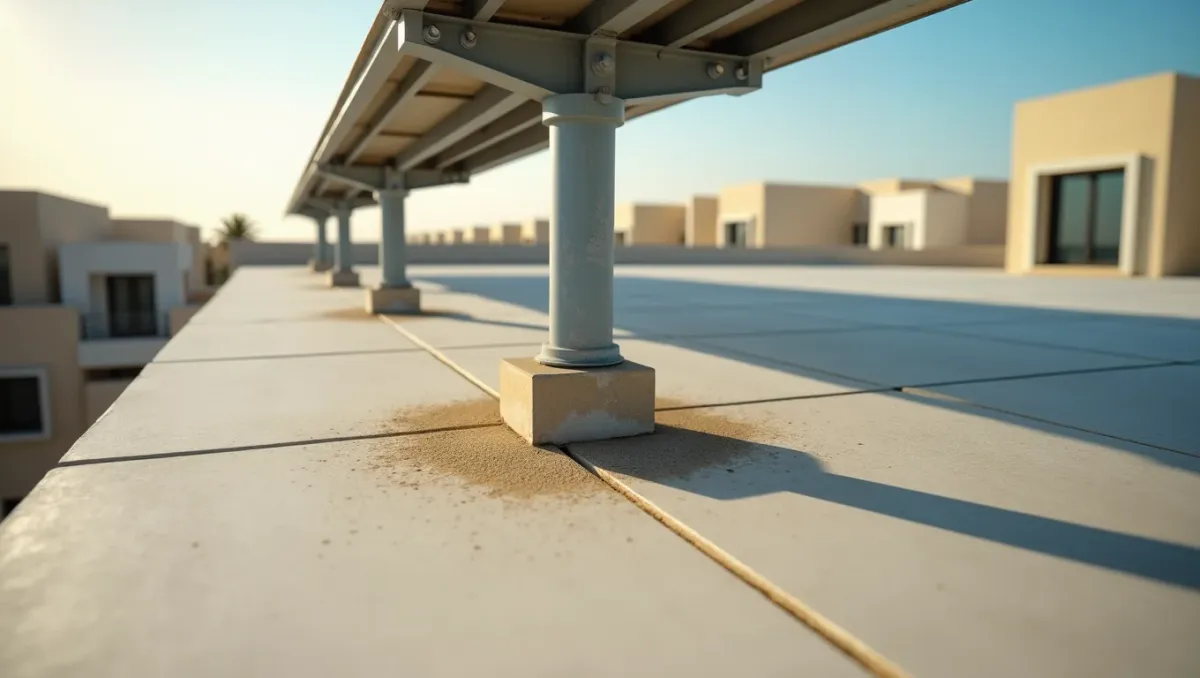
As homeowners across the villas and compounds of the GCC region, we are all increasingly aware of our energy sources. The sun shining down on your rooftop is an incredible gift—a constant, reliable source of power. But harnessing that clean solar energy isn't just about buying panels; it’s a complex process that requires expertise, local knowledge, and unwavering commitment to quality.
When searching for the "best solar service near me," you aren't just looking for the closest company; you are looking for a long-term energy partner. You need someone who understands not only how electricity works but also what it means to live in the unique, challenging environment of the Arabian Gulf—from blistering summer peaks approaching 50°C and intense dust challenges posed by haboob storms and fine desert sand.
My goal today is to demystify this process for you. I want to ensure that when you feel ready to take control of your home’s energy future, you do so with confidence and clarity. Let's walk through exactly what a truly reliable solar partnership looks like in our region.
Selecting Your Solar Partner: A Buyer's Guide for the GCC Market
Choosing a partner is perhaps the most crucial step of your entire solar journey. Think of this selection process not as shopping for equipment, but rather as vetting an engineering team that will be responsible for decades of your household power supply.
Beyond Just Panels: Defining "Best Service"
When we talk about a comprehensive or "best" service, the scope must encompass more than just the physical installation day. A proper partnership is defined by four pillars:
- Design and Engineering: This means creating a precise blueprint for your home that accounts for local conditions. An experienced designer understands how to maximize energy capture while ensuring safety, considering factors like roof load bearing capacity in the Eastern Province or Jeddah.
- Installation (The Build): This involves the physical mounting of components, such as the photovoltaic panels and wiring them safely into your existing electrical infrastructure.
- Commissioning: This is the testing phase where technicians ensure that every piece—from the main inverter to the smallest wire connection—is working together perfectly before you flip the switch.
- Maintenance and Warranty: This is arguably the most important part. It covers what happens after the project is finished, ensuring peak performance for years to come.
A truly professional service provider will offer this complete cycle—a turnkey solution—meaning they handle everything from initial assessment right up through system operation.
Vetting Credentials: Compliance and Local Expertise
In the GCC, where national push toward energy security is paramount, compliance is non-negotiable. Never settle for a provider who cannot demonstrate adherence to local codes. You must ask about their relationship with national utility providers like SEC (Saudi Electricity Company) or SEWA and understanding of relevant standards such as SASO. Their systems must be built to meet these specific national requirements.
A reputable partner will have verifiable experience working on various scales—from smaller residential rooftop systems in Riyadh villas to large commercial installations in industrial cities like Jubail or KAEC. This breadth of experience shows they are proficient in handling the diverse architectural and electrical needs found across our compounds.
The 5 Critical Questions to Ask Before Signing a Solar Contract
Before you sign any paperwork, sit down with your prospective partner and treat this as an interview. You are interviewing them just as much as they are selling to you. Here are the five questions that separate the hobbyists from the seasoned professionals:
- "Do you have documented experience handling intense dust accumulation (soiling) in this specific region?"
This is critical in the Arabian Gulf. Dust isn't just an aesthetic issue; it builds up on panels, reducing their efficiency—a process called soiling. Ask them about their cleaning protocols and if they factor regular panel washing into their maintenance plan. - "Who manages our system after installation?"
You need to understand the entire lifecycle of the investment. Do they offer performance monitoring (O&M)? This means regularly checking your system’s output data remotely, allowing them to spot a problem—like an underperforming panel or connection—before it becomes a major issue. - "How do you factor high ambient temperatures into your design?"
The intense summer heat of the Gulf can stress electronics. Your installer must know how to select components and wiring that are rated for extreme thermal cycling, ensuring longevity. They should also discuss system placement on your rooftop relative to prevailing winds and shade patterns. - "What is the distinction between a product warranty and a performance guarantee?"
This is key to understanding risk. A product warranty typically covers defects in materials (e.g., "the panel itself will not fail for 25 years"). A performance guarantee, however, guarantees that the system will still produce a certain percentage of its original output after a set number of years (e.g., "after 15 years, this system is guaranteed to perform at least 80% of its initial capacity"). Always aim for both. - "What are the local standards and compliance checks you facilitate?"
They must take ownership of the permitting process. A good partner will guide you through obtaining all necessary permits from utility providers, ensuring your system is seamlessly integrated into the grid under national guidelines.
Beyond Installation Day: Why Service and Maintenance Matter Most in the Gulf Climate
Solar power systems are not "set it and forget it" investments, especially here in our dynamic climate. Just like a car that needs regular oil changes to keep running smoothly, your solar system requires proactive care.
Understanding System Degradation
All photovoltaic panels degrade slightly over time; this is normal. However, degradation rates can be accelerated by environmental stressors. The intense heat cycles and high levels of airborne particulates mean that maintenance must be systematic.
The concept of energy storage (using batteries to save excess power for later use) has become vital here. Instead of relying solely on the sun shining at peak hours, a robust storage solution provides energy resilience—allowing your villa to maintain comfort even during extended periods of cloud cover or grid outages. If you are exploring options like comparing solar irrigation controller efficiency with battery backups for date farms, remember that both systems rely heavily on proper maintenance.
Moreover, as the national focus shifts toward self-sufficiency and reliable energy sources across Saudi Arabia, integrating high-quality storage solutions is becoming a necessity for premium residential setups. It’s important to know how your chosen system can support various needs, whether it's running essential appliances or powering specialized systems.
The Role of Professional Monitoring
A top-tier service provider will implement sophisticated monitoring tools. These systems transmit real-time data (like voltage, current, and power output) to the company’s engineers. If your system's output suddenly dips or a specific panel starts underperforming, the team is alerted immediately, allowing them to fix it before you even notice the change on your electricity meter.
Think of this monitoring like having an expert eye watching over your investment 24/7. It ensures that the amazing potential of solar energy remains maximized despite challenges like dust buildup or unexpected electrical fluctuations.
Ensuring Energy Resilience: Integrating Storage and System Optimization with Your Chosen Provider
A modern, comprehensive solar installation is never just about panels; it’s an integrated system. It involves three main components working in harmony:
- Solar Panels (PV Modules): These are the collectors that capture sunlight and convert it into direct current (DC) electricity.
- The Inverter: Think of your solar inverter like the translator between your panels and your home—without it, all that energy the sun provides would simply have nowhere useful to go. It converts the DC power from the panels into alternating current (AC) power, which is what household appliances use (standard in KSA).
- Battery Storage System: This component acts as a buffer, capturing excess AC electricity generated during peak sunlight hours and storing it for later use—perfect for those long evenings or unexpected outages that disrupt daily life.
When discussing optimization, you should be asking your potential partner how they will ensure these three components work together flawlessly over decades. For instance, if you are researching the best energy storage options versus a modern battery bank, the service provider needs to advise based on your specific usage patterns and local grid requirements.
The longevity of your investment depends heavily on how well the system is designed for efficiency across different times of the year. While some may look into niche topics like solar watering systems or considering future national energy goals, your service provider must give you a realistic assessment based on historical weather data and projected national energy usage trends.
We are living in an era of increasing awareness regarding clean power. The availability of reliable technology means that making the switch to solar is no longer just about saving money; it’s about contributing to our collective goal of a sustainable, self-reliant future for the Arabian Gulf region. This commitment requires partners who have a proven track record delivering complex projects successfully across the entire GCC.
What This Means For You: Practical Takeaways
Finding the right solar partner boils down to prioritizing reliability, expertise, and long-term commitment over short-term quotes. Do not be swayed by promises of 'fastest installation'; instead, focus on the depth of their engineering process and their commitment to post-sale care.
- Demand Transparency: Insist on detailed documentation covering warranties, performance guarantees, and local compliance standards (SEC/SASO) before any contract is signed.
- Look for Experience in Extremes: Verify that the company has specific operational experience handling extreme dust and heat cycles common to our region's coastal and desert areas.
- Focus on Integration: Ensure their design plan integrates all necessary elements—panels, inverter, storage, and monitoring—into one cohesive, resilient system designed for your unique villa or compound layout.
Ready to start your solar journey? Taking these steps will ensure you are selecting a true partner committed to powering your future.
- Gather Local References: Speak with multiple homeowners in your immediate area who have completed similar, large-scale solar installations.
- Request a Comprehensive Site Assessment: Do not rely on general quotes. Insist that the potential partner performs an on-site energy audit to accurately model your consumption and system needs.
- Verify Licensing and Compliance: Confirm in writing that the company is fully licensed to operate within the GCC region and understands the latest local utility interconnection standards with SEC or equivalent bodies.
Related articles
- What Is Solar PV Installation & Maintenance? Your Comprehensive Guide for the Arabian Gulf
- Choosing Reliable Solar Panel Suppliers in Saudi Arabia: A Homeowner’s Guide
- Finding the Best Solar Panels in Saudi Arabia: A Comprehensive Owner’s Guide
- Finding Your Path to Energy Independence: A Homeowner’s Guide to Selecting a Top Solar Installer in the Kingdom of Saudi Arabia
- LEED Certification Saudi Arabia: Optimizing Asset Value with Green Building Standards
Explore topics: Solar Panels, Saudi Arabia, Gcc, Installation
The information in this article is for educational purposes only. Always verify specifications, availability, and suitability with a qualified supplier or engineer before making purchasing or installation decisions.



