
Finding Your Path to Energy Independence: A Homeowner’s Guide to Selecting a Top Solar Installer in the Kingdom of Saudi Arabia
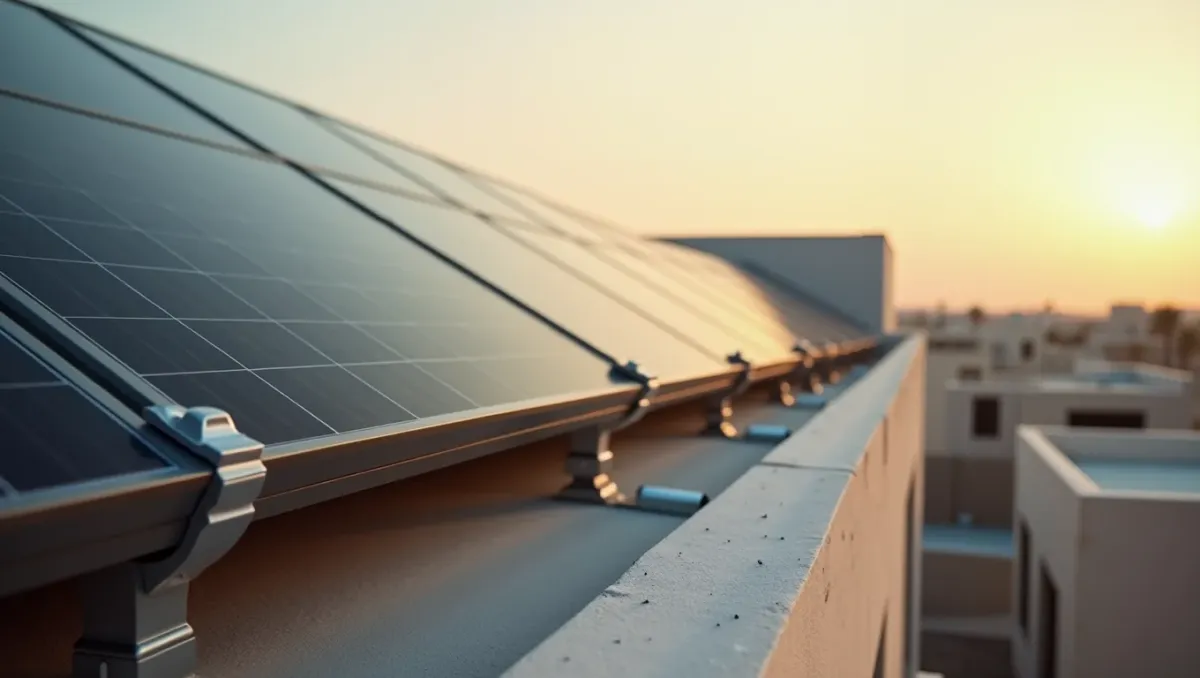
The energy landscape is changing rapidly, and for homeowners across our beautiful villas and modern compounds throughout the Arabian Gulf, self-reliance is becoming the ultimate luxury. We are moving toward an era where our power source isn't dictated by external grids or rising fuel costs. Solar energy offers a reliable, clean path to energy independence right here in KSA.
However, just because the technology seems straightforward—sun shines, panels capture it, house uses it—the process of installation is complex. It requires specialized knowledge that goes far beyond simply bolting panels onto your roof. Choosing the right contractor is perhaps the most critical step you will take on your journey to solar power.
Think of selecting an installer not as buying a product, but as hiring a highly skilled team to design and integrate a crucial piece of modern infrastructure into your home in Riyadh or Jeddah. This guide is designed to equip you with the knowledge to ask the right questions, understand the technical jargon, and feel completely confident in the partnership you are building.
Beyond the Price Tag: What to Look for in a Top Solar Installer
When faced with multiple quotes, it can be tempting to focus solely on the lowest number. But when it comes to something as crucial as your home’s power supply, choosing based purely on price is like judging a luxury villa by its exterior paint color alone—you miss the quality of the foundation and the craftsmanship inside.
A top-tier installer doesn't just sell panels; they sell peace of mind and engineered reliability. Here are the foundational elements you must look for:
- Comprehensive Design Expertise: The best installers start with a deep dive into your actual energy consumption patterns, not just the size of your roof. They need to understand how much power you use during peak hours—say, when the AC units are working overtime in summer peaks that can hit 45°C or higher.
- Local Market Acumen: Operating within the GCC region presents unique challenges. An excellent contractor must be intimately familiar with local utility interconnection standards, such as those set by the Saudi Electricity Company (SEC), and how to navigate regional regulatory approvals smoothly across different cities like Jubail or KAEC. This deep local knowledge prevents costly delays down the line.
- Focus on Integration Aesthetics: For many of us who live in architecturally significant villas, performance cannot come at the expense of beauty. A professional installer will treat your roof as part of your home's design, ensuring that the solar system is both powerful and aesthetically pleasing.
A Step-by-Step Guide: Vetting and Selecting Your Ideal Contractor in KSA
Since this investment is long-term, due diligence is non-negotiable. You are looking for a professional partner who carries the right credentials and possesses deep local experience.
1. Verify Licensing and Certifications
Do not accept general claims of expertise. Always ask to see proof of current commercial licensing within the Kingdom of Saudi Arabia (KSA). Furthermore, inquire about specialized certifications—both national and international—related to electrical safety and renewable energy systems. These certifications prove that the team members are trained in best practices and adhere to rigorous global standards.
A reputable contractor should maintain up-to-date insurance coverage for liability and worker injury. This is a vital safeguard, ensuring that if an unforeseen issue arises during installation—say, damage to existing roofing materials—it is covered by professional insurance policies.
2. Review Their Local Experience (The Dust Factor)
Anyone can sell you solar panels in a temperate climate, but operating here requires resilience against extreme environmental factors like haboob storms and fine desert sand accumulation. Ask them how they plan to address dust build-up. This is not just an afterthought; it's central to system efficiency. A quality contractor will incorporate specific maintenance plans and recommend panel cleaning routines tailored for our arid environments.
Additionally, inquire about their track record with utility connections. They should be experts in managing the process of interconnection with local utilities, ensuring your system meets all current grid requirements for reliable power backup under SEC guidelines. When considering energy security, they should also advise on complementary technologies like a high-capacity solar battery bank to maximize your independence.
Understanding the Scope of Work: Panels, Inverters, and Installation Labor
The term "solar installation" covers far more than just mounting panels. It involves three distinct components—the hardware, the brain, and the hands that put it all together. Understanding these helps you grasp what you are paying for.
Solar Panels (PV Modules)
These are the photovoltaic (PV) modules, which are essentially specialized materials designed to capture light energy from the sun. They convert that sunlight directly into direct current (DC) electricity. Given KSA’s high solar resource availability, panels must be sized efficiently to maximize output based on the average irradiance of 5.5-6.5 kWh/m²/day.
The Inverter
Think of your solar inverter like the translator between your panels and your home—without it, all that energy the sun provides would simply have nowhere useful to go. The DC electricity generated by the panels must be converted into alternating current (AC) electricity, which is the type used by almost all household appliances operating on 220V/60Hz in KSA. The inverter performs this critical conversion process. Modern inverters are often sophisticated devices that manage power flow, optimizing performance even when cloud cover or dust temporarily reduces sunlight.
Installation Labor and System Sizing
The labor component includes everything from mounting structures to electrical wiring and the final connection to your main service panel. This is where we address system sizing. It is crucial that your contractor conducts a detailed load calculation, which estimates the total power your home needs at its highest usage point (the peak load). You must avoid two common mistakes:
- Undersizing: Installing a system too small to meet your actual daily energy demands. This means you won't achieve meaningful self-sufficiency and will feel frustrated when the lights flicker during a heatwave blackout.
- Oversizing: Installing a massive system that is unnecessarily complex or expensive for your home’s needs, potentially creating issues with local grid safety cutoffs or making future upgrades difficult.
When discussing backup power, remember that while the primary panels generate power during the day, integrating a robust solar upsbest solar battery backup system for home.
Maximizing Longevity: Warranty Deep Dive and Post-Installation Support
The warranty structure is often the most confusing part of the sale, but it speaks directly to the confidence the contractor has in their own work. You should never choose a system based on who offers the longest warranty—you must choose based on what the warranty *covers*.
Understanding Warranty Tiers
A solar installation typically involves three separate warranties, each covering a different aspect of the system:
- Panel Performance Guarantee (The Output): This is provided by the manufacturer and guarantees that your panels will still produce a specified percentage of their original power output over a long period (often 25 years). If they fall below this threshold, the manufacturer compensates you.
- Inverter/Component Warranty (The Brains): This covers the electrical components—the inverters, wiring, and mounting racks—against defects for a set number of years. It ensures that the technology itself remains functional.
- Workmanship/Labor Guarantee (The Craftsmanship): This is provided by the *installer* and covers the quality of their physical work—the electrical connections, the roof penetration points, and the system integration. A strong workmanship guarantee means that if a wiring fault or structural issue appears due to poor installation techniques five years from now, the contractor must return and fix it at no cost.
When speaking with contractors, always clarify which warranties are transferable (meaning they continue even if you sell your house in Jeddah) and what the claim process entails. A reliable contractor will make this information clear and easy to understand.
The Role of Advanced Storage Solutions
Given the increasing focus on energy security across Saudi Arabia, integrating advanced storage is becoming standard practice. If a prolonged dust storm or grid outage hits your community, you need more than just panels; you need reliable storage. This is where understanding the difference between a simple best solar battery and a comprehensive bank comes into play. These systems allow your home to function independently for days, providing critical backup power for everything from lighting to essential medical equipment.
What This Means For You
Choosing a contractor is not just about getting panels installed; it’s about securing an energy future. The best partnership will guide you through the nuances of sizing (ensuring you have enough capacity), integrating smart storage solutions (like robust best ups solar generator units for backup), and adhering to all local building codes and SEC regulations. By focusing on a contractor's technical depth, verifiable certifications, and commitment to long-term maintenance plans—especially those that account for our unique desert environment—you are not just buying power; you are investing in reliable energy freedom.
Action Steps Checklist
- Request Multiple Quotes with a Scope of Work: Never accept an estimate based on a single quote. Ask three different companies to provide detailed proposals that clearly itemize the panels, the inverter type (DC/AC conversion), and the labor cost separately.
- Verify Local Credentials and Insurance: Before signing anything, ask for proof of current electrical contractor licensing in your specific city within KSA, along with active liability insurance documentation.
- Ask About Maintenance and Warranty Claims: During the consultation, do not hesitate to role-play a future problem. Ask: "If my inverter fails after five years, what is your exact process for diagnosis and replacement?" This tests their commitment and knowledge of their own warranty structure.
Related articles
- Solar Power for Your Home: A Step-by-Step Guide to Installation in the Arabian Gulf
- What Is Solar PV Installation & Maintenance? Your Comprehensive Guide for the Arabian Gulf
- Optimizing Home Comfort: Heating Efficiency in the Arabian Gulf Climate
- Optimizing Industrial Resilience: A Buyer’s Guide to Battery Storage for Commercial Solar in the Arabian Gulf
- Powering Tomorrow: Saudi Arabia’s Pivotal Shift to Renewable Energy
Explore topics: Installation, Gulf, Renewable Energy
The information in this article is for educational purposes only. Always verify specifications, availability, and suitability with a qualified supplier or engineer before making purchasing or installation decisions.



