
Optimizing Home Comfort: Heating Efficiency in the Arabian Gulf Climate
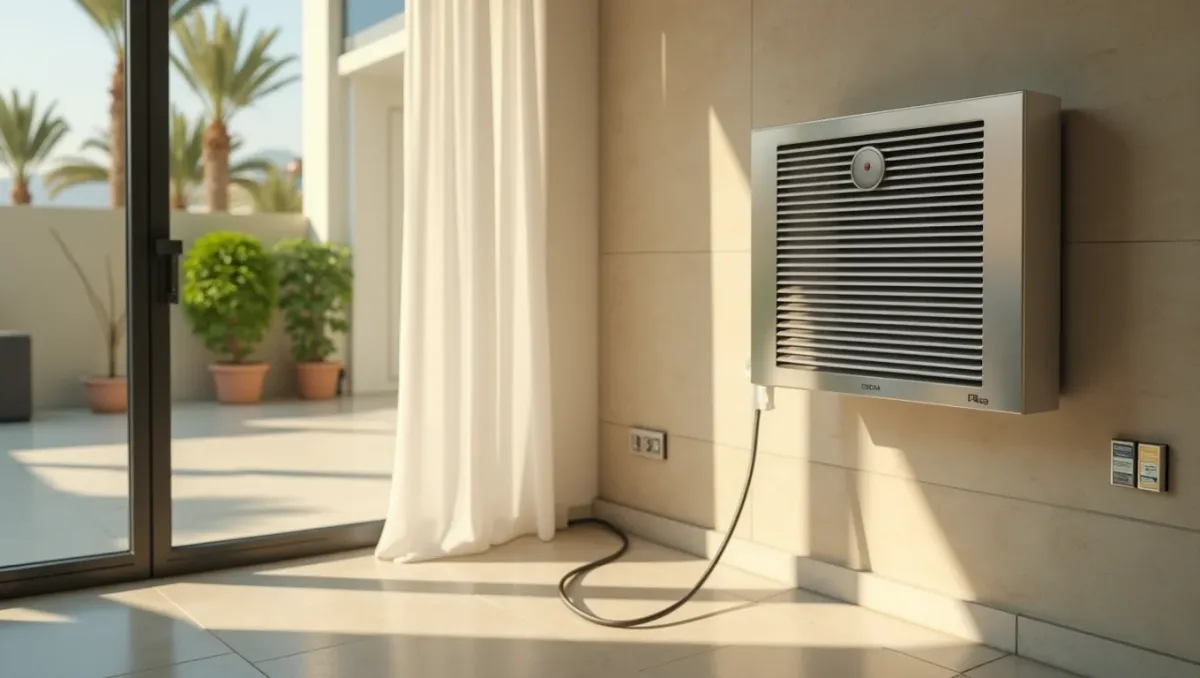
As residents across the Arabian Peninsula—from the modern compounds of Riyadh and Jeddah, to the bustling villas in the Eastern Province, UAE, Kuwait, and Qatar—we are intimately familiar with the power of the sun. For most of us, our relationship with energy is dominated by one thing: cooling. The extreme summer heat requires robust air conditioning systems, making HVAC (Heating, Ventilation, and Air Conditioning) consumption a significant part of our household bills.
Because cooling dominates our energy picture so completely, heating often feels like a secondary concern. We might think, "We barely need heaters here." But efficiency isn't about eliminating a necessity; it’s about making sure that every single watt we use—whether to cool down or warm up—is used as intelligently and sustainably as possible.
Think of your home's energy system like a sophisticated orchestra. When everything is playing, the result is harmony and comfort. But if one instrument (like an old, leaky window) is constantly losing sound (energy), the whole performance suffers. Understanding how to choose efficient heating solutions means understanding the entire picture—from the technology itself to the structure of your villa.
As renewable energy educators serving the GCC market, our goal is simple: we want every homeowner in the Gulf region to feel confident knowing exactly where their power comes from and how they can use it responsibly. This guide will walk you through making sense of modern heating efficiency so that your compound remains comfortable, regardless of seasonal changes.
Why Heating Efficiency Matters in the Arabian Gulf Climate
When we discuss energy loads in this region, it is crucial to first acknowledge the primary driver: cooling. Our environment is characterized by intense solar radiation and high ambient temperatures; during peak summer months, temperatures can easily exceed 45°C, with localized peaks reaching 50°C. This means that nearly all our residential electricity consumption goes toward keeping us cool during the long, scorching days.
However, efficiency remains paramount even when heating is secondary. When a villa experiences seasonal temperature shifts—even if it’s just moving from 45°C outside to a comfortable 24°C inside—the energy required to maintain that difference (a concept called the thermal gradient) must be managed efficiently. In fact, neglecting heat loss prevention can cost as much money and generate as much carbon output as focusing purely on cooling efficiency.
The unique challenge in our region is managing temperature fluctuations. While high levels of insulation are now standard practice in modern Gulf construction to manage massive seasonal changes, every gap, every poorly sealed window frame, and every uninsulated pipe acts like a tiny, constant drain. This phenomenon—where heat escapes through structural weaknesses—is called air leakage or thermal bridging.
If your home is leaking heat (or cool air), you are essentially paying for the energy twice: once to create the comfortable temperature inside, and again to replace the energy that has escaped through a crack in the wall. This inefficiency is particularly noticeable when running supplemental heating systems, making high efficiency not just a luxury, but an economic necessity.
The ultimate goal of maximizing heating efficiency isn't just to save money on your monthly bill; it’s about ensuring that any supplementary power you use complements the massive energy demands of your cooling system without adding unnecessary strain to the SEC grid or requiring excessive reliance on fossil fuels. It is all about minimizing waste.
Comparing Modern Heating Technologies: Heat Pumps vs. Electric Resistance Heaters
When it comes time to choose a heater, you will typically encounter two broad categories of technology: traditional electric resistance heaters and modern heat pump systems. Understanding the fundamental difference between these two is key to making an informed choice.
1. Electric Resistance Heaters (The Direct Approach):
- How they work: These are the simplest in concept. They use electricity to generate heat directly through electrical resistance—think of a toaster or a space heater element. When current passes through a resistive coil, it generates thermal energy immediately.
- Efficiency: They are 100% efficient at converting electricity into heat (meaning all the electrical energy that goes in turns into usable heat). However, they are very direct and generate no useful cooling effect; their job is purely to make things hot.
- Analogy: This is like using a powerful flashlight—it gives you light (heat) directly, but it doesn't do anything else for your home environment.
2. Heat Pumps (The Indirect Approach):
- How they work: A heat pump does not generate heat using electricity; instead, it moves existing heat energy from one place to another. It works by transferring the latent heat that is naturally present in the surrounding air or ground and concentrating that heat indoors.
- Efficiency: This is where heat pumps shine. They operate on a principle called the Coefficient of Performance (COP). The COP measures how much useful output energy you get for every unit of electrical energy input. A high COP means the system is highly efficient, often providing three or four units of heat for every one unit of electricity consumed.
- Analogy: Instead of generating fire to warm your home, a heat pump acts like a sophisticated vacuum cleaner that sucks up the mild warmth from the outside air (or ground) and pumps it into your living space. It is moving energy, not creating it from scratch.
In summary, while electric resistance heaters are simple and reliable for targeted warming, heat pumps offer vastly superior efficiency by leveraging existing thermal gradients in the environment. For large-scale or continuous supplemental heating systems in a modern villa setting, heat pumps generally provide the most sustainable solution.
Beyond the Heater: Optimizing Your Compound for Minimal Energy Loss
This section is perhaps the most critical part of energy efficiency. No matter how sophisticated your heater or air conditioner is—whether it's running on solar power or grid electricity from SEC—if your home is structurally leaky, you are wasting massive amounts of money and energy.
Efficiency isn't just about the appliance; it’s about the building envelope. The "building envelope" refers to all the physical components that make up the exterior shell of your house: walls, roof, windows, floors, and air seals. Every part must work together seamlessly.
The Power of Insulation:
Insulation is a material placed within your building structure (like in the attic or between wall studs) that slows down the rate at which heat moves through the walls and roof. The best insulation materials are those that trap pockets of air, making it difficult for thermal energy to escape or enter. Think of it this way: during the scorching summer days, effective insulation keeps the intense desert heat out; when you need supplemental heating in cooler months, it ensures that precious indoor warmth stays trapped inside.
Air Sealing and Thermal Bridging:
- Air Sealing: This involves physically blocking every potential path for air to leak—around window frames, electrical outlets, plumbing penetrations, and the joints where different building materials meet. A small crack can let through enough air leakage to undermine weeks of insulation effort.
- Thermal Bridging: This is a common structural flaw that occurs when a material with poor insulating properties (like concrete or metal) bridges across an otherwise insulated area. For example, if a metal beam passes straight through an exterior wall without proper wrapping, it creates a pathway for heat to escape dramatically faster than the surrounding insulation can handle. Identifying and fixing these thermal bridges is crucial for peak efficiency in compounds built near industrial cities like Jubail or KAEC.
A high-performing home in the Arabian Gulf doesn't just have good appliances; it has a tightly sealed shell that allows those appliances to work with minimal waste.
Selecting and Integrating Smart, Efficient Heating Solutions
The final piece of the puzzle is management. Even the most efficient heater can be wasteful if used inefficiently. This is where smart home technology steps in.
Automation and Zoning:
Smart heating systems allow you to automate when, where, and how hard your house needs to heat. Instead of running a central system at maximum capacity 24/7 (which wastes energy if no one is home), smart thermostats—or zone controls—can detect occupancy and adjust the temperature accordingly. For example, the system can ramp up the heating an hour before you arrive home, but then automatically dial back when everyone goes to bed. This precision usage ensures maximum comfort with minimum expenditure.
Integration with Power Management:
The true potential of modern energy systems is realized when they are integrated. If your primary cooling load comes from the grid, using a high-efficiency heat pump minimizes that strain. But if you are utilizing renewable generation on your villa rooftop—be it solar PV (photovoltaic) or even localized solar water heating for other needs—the heating system must be designed to utilize that clean power intelligently.
This brings us to the concept of energy storage. Given the intermittent nature of solar production (the sun isn't shining at night), having reliable, efficient ways to store excess power is vital. When considering overall household resilience and sustainability in the GCC, looking into the best energy storage systems for homes becomes paramount. Integrating battery storage with both your cooling load and supplemental heating allows you to draw upon stored renewable energy during peak demand or nighttime hours, maximizing self-sufficiency.
The synergy between an insulated home (reducing need), a high-COP heat pump (efficient generation), smart controls (optimized usage), and robust battery storage (reliable power source) creates the perfect picture of sustainable living in the Arabian Gulf.
What This Means For You: Practical Takeaways
You do not need to be an engineer to improve your home's energy profile. By focusing on these three areas, you can achieve noticeable improvements in comfort and savings:
- Prioritize the Envelope: Before buying any heater, perform a simple visual inspection for drafts around windows and doors. Sealing gaps is often the highest return-on-investment activity.
- Understand Your Needs vs. The Technology: If your goal is highly efficient supplemental heat transfer, investigate modern heat pump technology first. Do not assume resistance heating is always necessary or sufficient.
- Think Systemically: Always ask how a new heater will interact with your cooling system and any potential solar power sources you may use. Efficiency is never solved by looking at one single piece of equipment.
To take the next step toward optimizing your home's energy performance, here are three simple actions you can take:
- Conduct a Draft Test: On a breezy day, hold a lit candle or use a smoke pencil around all window and door frames to identify areas where air is escaping. These spots need immediate sealing.
- Evaluate Insulation Levels: Check the visible insulation levels in your attic (if applicable) and consult with an expert about proper thermal breaks on any structural beams passing through exterior walls.
- Research Smart Controls: Investigate smart thermostat systems that allow for zoned heating and cooling schedules. This ensures you are only using peak energy when and where it is needed most.
Related articles
- Finding Your Path to Energy Independence: A Homeowner’s Guide to Selecting a Top Solar Installer in the Kingdom of Saudi Arabia
- Optimizing Industrial Resilience: A Buyer’s Guide to Battery Storage for Commercial Solar in the Arabian Gulf
- Powering Tomorrow: Saudi Arabia’s Pivotal Shift to Renewable Energy
- Solar Power for Your Home: A Step-by-Step Guide to Installation in the Arabian Gulf
- The Utility Advantage: A Commercial Buyer’s Guide to Solar Farm Investments in Saudi Arabia
Explore topics: Best Energy Saving Heaters, Gulf, Renewable Energy
The information in this article is for educational purposes only. Always verify specifications, availability, and suitability with a qualified supplier or engineer before making purchasing or installation decisions.



