
Powering Tomorrow: Saudi Arabia’s Pivotal Shift to Renewable Energy
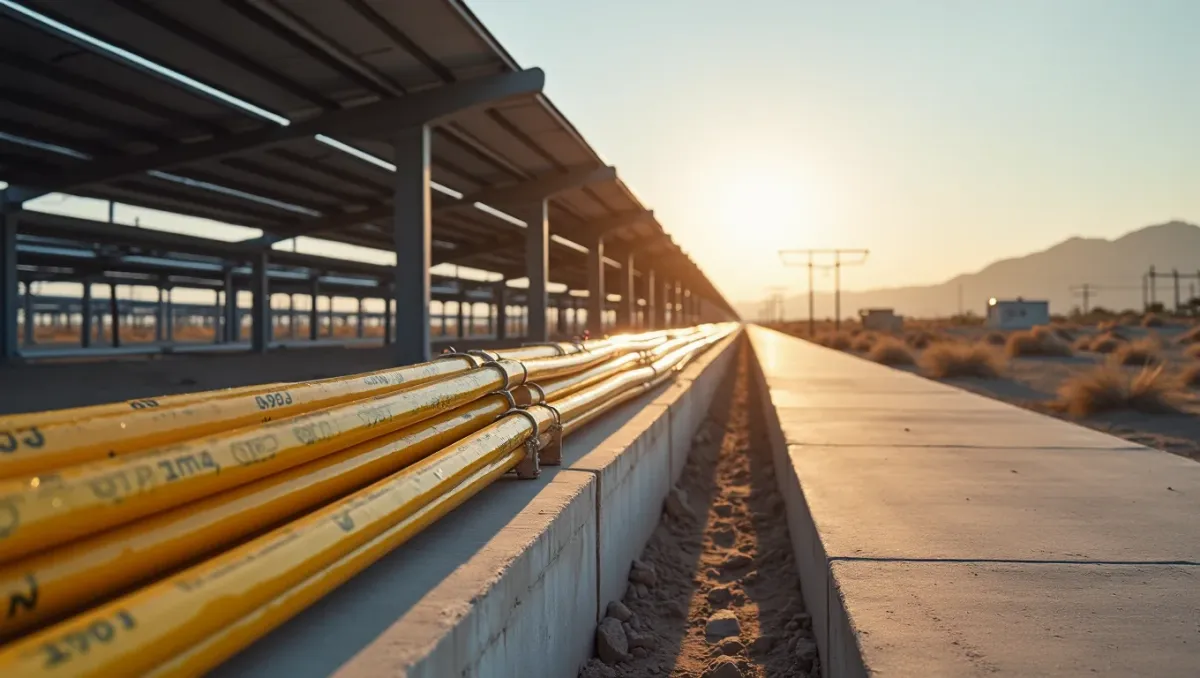
The rhythm of life across the Kingdom is dictated by powerful forces—the vastness of the desert, intense summer peaks reaching 50°C+, and the reliable flow of modern power that keeps our compounds lit and our industrial complexes running. For decades, energy security was intrinsically linked to the nation's hydrocarbon resources. But as the world looks toward a more sustainable future, global energy markets are changing faster than ever before.
For homeowners in Riyadh or Jeddah, and for business leaders operating in commercial districts like Jubail, understanding where your power comes from is no longer just about knowing if the bill will arrive on time; it’s about understanding the strategic direction of our nation. The transition to clean energy is not merely an environmental trend—it is a core economic mandate, designed to future-proof our prosperity and diversify our economy for generations to come.
Think of the entire national power grid as the circulatory system of our modern society. For it to remain strong and vital in the face of global change, we must ensure its 'blood'—the energy powering it—is clean, stable, and sustainable. This monumental shift is driven by vision and engineering prowess, moving us toward a solar-powered future.
Understanding the Mandate: Why Saudi Arabia is Pivoting to Renewables
The decision for Saudi Arabia to pivot its energy portfolio away from sole reliance on oil represents one of the most significant economic strategic shifts in modern history. This mandate isn't just about meeting climate targets; it’s fundamentally about economic resilience and national diversification.
In simple terms, when a nation relies heavily on a single commodity (like oil), its entire economy becomes vulnerable to fluctuations in that commodity's global price or demand. Historically, this provided immense wealth, but true long-term stability requires building multiple pillars of support—what economists call 'diversification.' The goal is to ensure that the next generation thrives regardless of how the world’s energy needs change.
The Kingdom possesses some of the world's most spectacular natural resources. When we talk about solar potential, we are talking about unparalleled levels of solar irradiance—the amount of solar power hitting a specific area over time. This resource is essentially free, constantly available, and perfectly suited to utility-scale power generation (meaning massive facilities designed to supply energy to entire cities or regions).
This commitment means that our focus has broadened beyond just simply replacing oil with electricity; it involves creating entirely new industrial ecosystems—from manufacturing advanced batteries to pioneering green hydrogen production. It is a strategic pivot from being solely an exporter of fuel to becoming a global hub for clean energy technology.
Beyond Solar and Wind: Exploring the Full Spectrum of Renewable Potential in KSA
When many people think about Saudi Arabia’s renewable future, they immediately picture vast solar farms under intense blue skies or giant wind turbines spinning across the desert. While these two technologies are absolutely critical, viewing the clean energy landscape only through this lens would be like looking at a magnificent buffet and only noticing the rice—you'd miss the incredible variety of dishes available!
The true strength of KSA’s energy strategy lies in its understanding that "renewable" is an umbrella term covering many different technologies. To fully understand the scope, let’s look at a few key players:
- Solar Photovoltaics (PV): This is what most people are familiar with. PV technology converts sunlight directly into electricity using semiconductor materials within solar panels, making it ideal for powering everything from large industrial sites to residential compounds.
- Wind Energy: This captures kinetic energy—the energy of motion—from the wind to spin turbines and generate power.
- Geothermal Energy: This taps into the heat stored beneath the Earth's surface. Think of it like accessing the planet’s natural, consistent radiator system, providing reliable base-load power that doesn't depend on weather or daylight hours.
- Hydrogen (Green Hydrogen): This is one of the most exciting and complex fields. Green hydrogen is produced using renewable electricity (like solar) to split water (H₂O) into its component parts: hydrogen gas (H₂) and oxygen gas (O₂). It is viewed as a crucial, clean fuel source for heavy industry and transportation that cannot be easily electrified.
- Nuclear/Atomic Power Potential: While not always classified under 'renewable' in the same way as solar or wind, atomic power is critically important to discuss because of its reliable, high-density output. The discussion around this technology is highly relevant because energy security demands sources that can provide consistent power 24/7, regardless of whether there are haboob storms or nightfall.
The goal here is not to pick a single 'best' source, but rather to create an integrated, robust mix. This blend—the portfolio approach—is what ensures that if one source dips (say, during a prolonged dust storm affecting wind turbines), another remains stable.
The Policy Backbone: How Saudi Vision 2030 Structures the Energy Transition
Large-scale energy shifts are rarely spontaneous; they require ironclad policy mechanisms and massive financial structuring. Here, Saudi Arabia's national blueprint, Saudi Vision 2030, acts as the ultimate conductor, orchestrating this entire symphony of change.
Vision 2030 is a comprehensive societal re-engineering effort designed to elevate non-oil sectors. In terms of energy policy, its structure achieves two crucial things: first, it creates market certainty, and second, it attracts private capital.
Policy Mechanisms in Action:
One key concept is the Power Purchase Agreement (PPA). When a major government initiative signs a PPA with a new power producer—say, a massive solar farm developer near KAEC—it is essentially signing a long-term contract to buy that electricity at a set rate for many years. This mechanism is vital because it removes risk for the private investor. The guaranteed buyer (the state utility) provides stability, allowing global investors and local companies to commit billions of riyals because they know exactly when and how long their revenue stream will last.
This predictable framework encourages the private sector involvement. Instead of relying solely on government funds, Vision 2030 is creating an environment where international engineering firms, local developers, and specialized industrial partners can invest confidently in green infrastructure, knowing that there is a stable market demand waiting for their clean power output.
This policy backbone ensures that the transition isn't just theoretical; it has tangible financial structures supporting its massive scale. It’s transforming energy from a national resource into an industrial sector capable of generating jobs and driving diversification across advanced manufacturing, research, and technology development.
Future-Proofing Power: Integrating New Clean Sources into the National Grid
The final challenge in any mega-project like this is integration. You can build the world's largest solar farm, but if that power doesn't smoothly and reliably flow into homes and factories—the 'National Grid'—it’s useless.
The National Grid itself is a complex web of high-voltage transmission lines connecting all generation sources to all points of consumption. Integrating diverse, variable sources like solar and wind requires advanced technology and sophisticated management.
When we talk about integrating these new clean sources, the key technical concept is Grid Stability. Because solar power only generates electricity when the sun shines, and because high-voltage systems in KSA operate at various standardized levels, the grid needs mechanisms to manage this variability. This often involves technologies like:
- Battery Energy Storage Systems (BESS): These are massive battery banks that store excess energy generated during peak times (like a sunny afternoon) and then release it back into the grid when generation dips, ensuring continuous supply to major hubs. Think of them as giant rechargeable water towers for electricity.
- Smart Grids: This is an upgraded electrical network that uses two-way digital communication between utilities and consumers. Instead of just pushing power out (the old system), a smart grid can monitor demand fluctuations in real time, allowing it to balance inputs from solar, wind, and traditional sources automatically across vast distances.
The combination of robust policy frameworks (PPAs) attracting private capital, the exploration of diverse technologies (from geothermal to green hydrogen), and advanced engineering solutions (BESS and smart grids) is what allows Saudi Arabia to future-proof its power supply. It ensures that the energy powering our villas today will still be reliable and sustainable decades from now.
What This Means For You
For every homeowner, business owner, and resident in the Kingdom, this national transition signals a period of profound opportunity and enhanced stability. While you may not need to worry about installing solar panels yourself—as these massive projects are utility-scale—you benefit directly from the outcomes:
- Energy Resilience: The diversified portfolio means that power outages caused by single points of failure (like severe weather impacting one technology) become far less likely, providing greater peace of mind for residents and businesses.
- Economic Opportunity: The growth in these clean energy sectors creates highly skilled jobs across engineering, manufacturing, and service industries, elevating the overall economic landscape from industrial cities to residential compounds.
- Sustainability Assurance: You benefit from a power source that is cleaner and contributes to global efforts toward environmental stewardship, ensuring the longevity of our beautiful natural environment for future generations.
This shift represents not just an upgrade to our electricity supply; it is an upgrade to the nation’s economic identity, establishing Saudi Arabia as a leading global powerhouse in sustainable technology.
Three Simple Steps To Stay Informed and Involved
- Educate Yourself on Efficiency: Understand that while clean energy sources are powerful, minimizing consumption remains your most immediate source of 'clean' power. Focus on energy-efficient appliances and building practices in your own home or compound.
- Track National Initiatives: Keep an eye on official national development plans related to infrastructure and technology. These announcements provide insight into the pace and scale of the clean energy transition happening across the Kingdom.
- Engage with Local Experts: When considering any major household or commercial upgrade, consult with qualified local engineers who specialize in modern building codes and energy management systems to ensure your property is optimized for future efficiency standards.
Related articles
- Choosing Reliable Solar Panel Suppliers in Saudi Arabia: A Homeowner’s Guide
- Finding the Best Solar Panels in Saudi Arabia: A Comprehensive Owner’s Guide
- The Utility Advantage: A Commercial Buyer’s Guide to Solar Farm Investments in Saudi Arabia
- Understanding the Giants: How Mega Solar Plants Are Powering Saudi Arabia’s Future
- Finding Your Path to Energy Independence: A Homeowner’s Guide to Selecting a Top Solar Installer in the Kingdom of Saudi Arabia
Explore topics: Saudi Arabia, Gulf, Renewable Energy
The information in this article is for educational purposes only. Always verify specifications, availability, and suitability with a qualified supplier or engineer before making purchasing or installation decisions.



