
Choosing Reliable Solar Panel Suppliers in Saudi Arabia: A Homeowner’s Guide
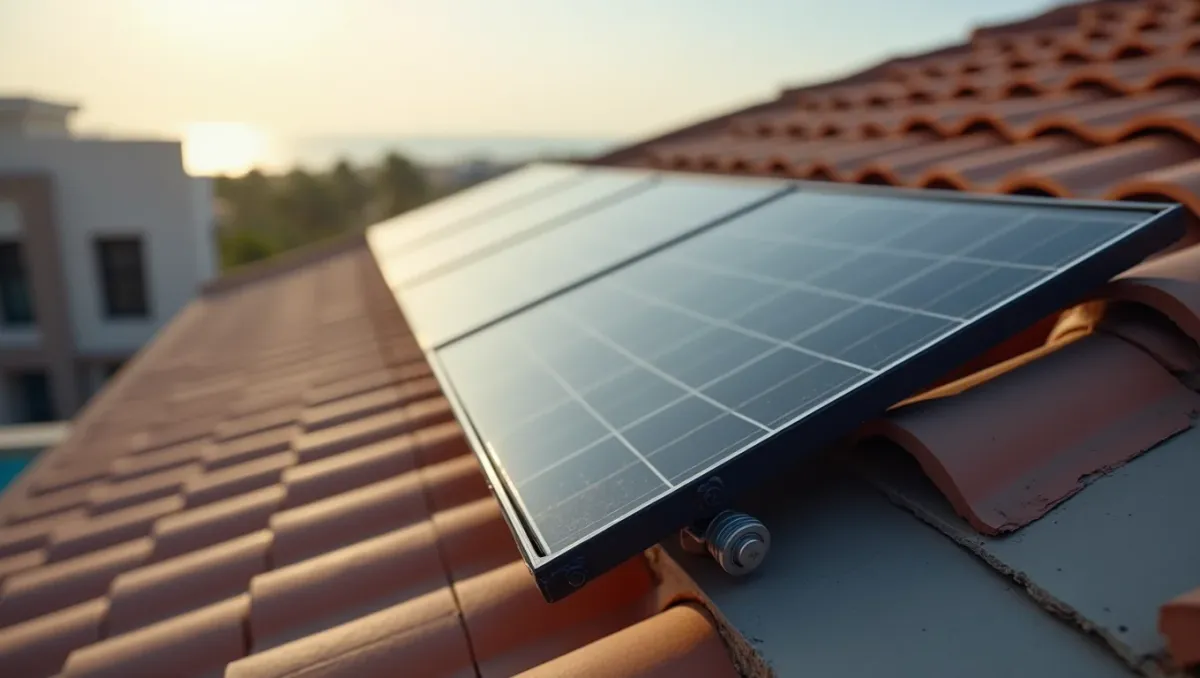
If you live within the Kingdom of Saudi Arabia, the UAE, Kuwait, Qatar, Oman, or Bahrain, you understand the relentless power of the sun. Every morning, whether you are overseeing a sprawling villa compound in Jeddah, or enjoying life near the coast in the Eastern Province, the sheer energy available from the sky is breathtaking. For generations, we have relied on traditional sources that bring us light and comfort—but today, we stand at the threshold of an incredible opportunity: harnessing our own solar power through reliable solar panel suppliers in Saudi Arabia.
Adopting solar energy for your home or property across the Arabian Peninsula is more than just a trend; it's becoming a cornerstone of regional energy security and resilience. Given that KSA boasts exceptional irradiance (averaging 5.5–6.5 kWh/m²/day), the potential is massive. However, simply buying panels isn't enough. The complexity of integrating renewable power into an existing villa or compound—dealing with intense desert heat (often peaking above 45°C in summer), persistent challenges from haboob storms and fine desert sand—means that your success relies entirely on the quality of the people you hire.
Think of selecting a solar supplier not as a simple transaction, but as building a long-term partnership. Just like choosing a trusted contractor for a new build in Jubail or KAEC, you need a partner who understands every aspect of Gulf living—from managing extreme ambient temperatures to ensuring that even during peak summer months, your system performs reliably and meets SEC standards.
Choosing Your Partner: Why Selecting the Right Solar System Integrator is Critical for GCC Homes
When discussing solar energy, you might encounter various types of companies. It’s crucial to understand that not all “solar suppliers” are created equal. Choosing the wrong partner can lead to a beautiful system that underperforms or, worse, fails entirely when you need it most.
The first critical distinction is between a Panel Distributor and an End-to-End System Integrator. A Panel Distributor primarily focuses on selling components—the solar panels, the batteries, or the inverters (devices that convert direct current power to alternating current power for household use). They are excellent sources of hardware.
An End-to-End System Integrator, however, is a comprehensive service provider. They do more than just sell parts; they design the entire system tailored specifically to your villa’s needs, manage the complex logistics of local permitting with SEC or SEWA, oversee physical installation on compounds, and often provide ongoing monitoring services. For any homeowner in the GCC region, selecting an integrator is almost always the safer and smarter choice because they take accountability for the entire project outcome.
When vetting these partners, remember that our environment poses unique challenges. The intense heat of the Arabian Gulf means your equipment must be specialized. Therefore, a reputable supplier must prove expertise in sourcing photovoltaic (PV) equipment designed to withstand extreme temperature fluctuations and high humidity, especially those exposed to saline coastal air.
Furthermore, because dust accumulation, known as ‘soiling,’ is inevitable here—exacerbated by desert winds—your partner needs experience designing systems that account for routine cleaning and maintenance. They must provide solutions beyond just the initial setup; they need a plan for years of reliable operation in challenging conditions.
A Buyer's Checklist: 5 Key Questions to Ask Any Solar Provider in Saudi Arabia
Before signing any agreement, treat this as your chance to interview them—not the other way around. Here are five essential questions that will help you assess their competence and reliability:
- What local certifications do you hold?
Always ask for proof of compliance with international standards like NABCE or IEC (International Electrotechnical Commission). These global benchmarks prove that the equipment meets safety, efficiency, and durability requirements. A partner who relies solely on generic claims without verifiable certification should raise a yellow flag. - What is your guarantee structure?
You need to differentiate between two types of warranties: the Product Warranty and the Performance Guarantee. The Product Warranty covers defects in materials (e.g., a panel cracking). The Performance Guarantee, however, promises that your system will produce a certain percentage of its original power output over a set number of years—this is what truly matters for your energy security and investment return. - Do you specialize in the Arabian Gulf climate?
A good supplier should speak fluently about local challenges. Do they understand that dust accumulation significantly affects efficiency, requiring specific panel cleaning protocols? Can they recommend components designed for ambient temperatures reaching 50°C+? They must demonstrate specialized knowledge of our unique operating conditions. - How do you handle grid interconnection and local standards (SEC/SEWA)?
Connecting your solar system to the utility grid is a highly regulated process. Your supplier must prove they are intimately familiar with Saudi Arabian utility interconnection standards, specifically those mandated by SEC for residential or commercial compounds. They should guide you through this bureaucratic hurdle, making sure your setup is approved from day one. - Do you offer solutions for supplementary power and storage?
Solar isn't just about the main house lights. Ask how they approach peripheral needs, such as providing appropriate solar lighting or assessing your need for a reliable backup system—perhaps integrating an advanced home battery storage system sized for critical electronics.
Beyond Panels: What a World-Class Solar System Integrator Should Offer
The components are only half the story. A world-class solar integrator recognizes that the true value lies in the holistic service package—the invisible support structure around your panels.
System Design and Installation Expertise
This involves more than just mounting panels on a roof; it requires structural engineering expertise to ensure that the weight and forces (like strong desert winds) are safely managed across villas and compounds. They must accurately calculate the optimal placement, ensuring maximum exposure to sunlight throughout the day. For instance, when considering powering specialized outdoor features or integrating solar power for electric car charging in Saudi Arabia, their design process must be meticulous.
Advanced Monitoring Systems
This is perhaps the most reassuring part of the partnership. A top supplier will install a monitoring system that allows you to see exactly how much power your system is generating in real-time via phone or computer. If performance dips—due to excessive soiling or an inverter issue—they are alerted immediately. This preventative maintenance capability ensures maximum uptime and efficiency.
In terms of equipment, they must advise on the appropriate inverter for your specific setup size. An inverter is critical; if it fails, your panels might still be making power, but you won't be able to use it. The monitoring system reports directly back to this unit, giving peace of mind.
Long-Term Maintenance and Resilience
Because we are focused on energy security and resilience under the national transformation mandate, maintenance cannot be an afterthought. Your supplier must provide a comprehensive service contract that includes regular cleaning (addressing soiling), checking connections, and servicing all electrical components. They should also advise on complementary technologies, such as optimizing your home's LED lighting systems for efficiency.
Navigating Permits and Guarantees: Ensuring Compliance with Local Regulations
The paperwork can feel overwhelming, but this is where the expertise of a dedicated system integrator saves you time, stress, and money. This final stage ensures that your investment is not only technologically sound but also legally compliant.
Understanding Utility Interconnection
When we talk about interconnection, we are talking about how your private power source safely connects to the public utility grid. The supplier must guide you through the necessary approvals from local authorities (SEC or equivalent). They need a proven track record of navigating these processes successfully throughout the Arabian Gulf region.
The Importance of Local Expertise
A supplier who understands the unique energy demands of a GCC homeowner will naturally recommend reliable backup power solutions, perhaps guiding you toward options like solar-powered lighting or advising on the right size for an advanced home battery storage system. They should also be knowledgeable enough to discuss other renewable possibilities that complement Saudi Arabia's national drive towards sustainable infrastructure.
Remember that selecting a partner who is committed to these local standards ensures your investment is not only profitable today but remains robust and reliable for decades to come. They are your shield against regulatory uncertainty and environmental wear-and-tear.
Summary: Your Path to Solar Confidence
If you feel overwhelmed by the terminology—the inverters, the performance guarantees, the compliance reports—take a deep breath. What this guide means is that you do not have to be an expert on solar energy to benefit from it. Your job is to ask the right questions and demand transparency. The supplier’s job is to provide a clear, reliable path from concept to operational power.
By focusing your selection criteria on local expertise, verifiable certifications, and comprehensive long-term service plans—rather than simply chasing the lowest initial price—you are securing true energy independence for your home in this beautiful corner of the world. This approach aligns perfectly with the national push toward sustainable infrastructure that defines life here.
Your Next Steps to Solar Confidence
- Gather Quotes, Not Just Prices: When collecting proposals from potential suppliers, insist on a detailed breakdown of services included (e.g., monitoring setup, cleaning schedule, and local permitting assistance), not just the cost per panel.
- Demand Performance Guarantees:
- Always ask to see documentation detailing the system’s predicted power output over 25 years, ensuring that their guarantee covers long-term performance, not just immediate defect coverage.
- Interview for Local Knowledge:
- Use your initial consultations to test their knowledge of local challenges—ask them specifically how they account for dust accumulation or extreme desert heat in their proposed design. A confident answer shows true expertise.
- Finding the Best Solar Panels in Saudi Arabia: A Comprehensive Owner’s Guide
- Finding the Best Solar Service Partner in the Arabian Gulf
- What Is Solar PV Installation & Maintenance? Your Comprehensive Guide for the Arabian Gulf
- Powering Tomorrow: Saudi Arabia’s Pivotal Shift to Renewable Energy
- Maximizing Home Comfort with Energy Saving Fans in the Arabian Gulf
- Explore topics: Solar Panels, Saudi Arabia, Gulf, Residential
- The information in this article is for educational purposes only. Always verify specifications, availability, and suitability with a qualified supplier or engineer before making purchasing or installation decisions. Compliance must be confirmed with the relevant utility operator (SEC/SEWA).



