
Maximizing Home Comfort with Energy Saving Fans in the Arabian Gulf
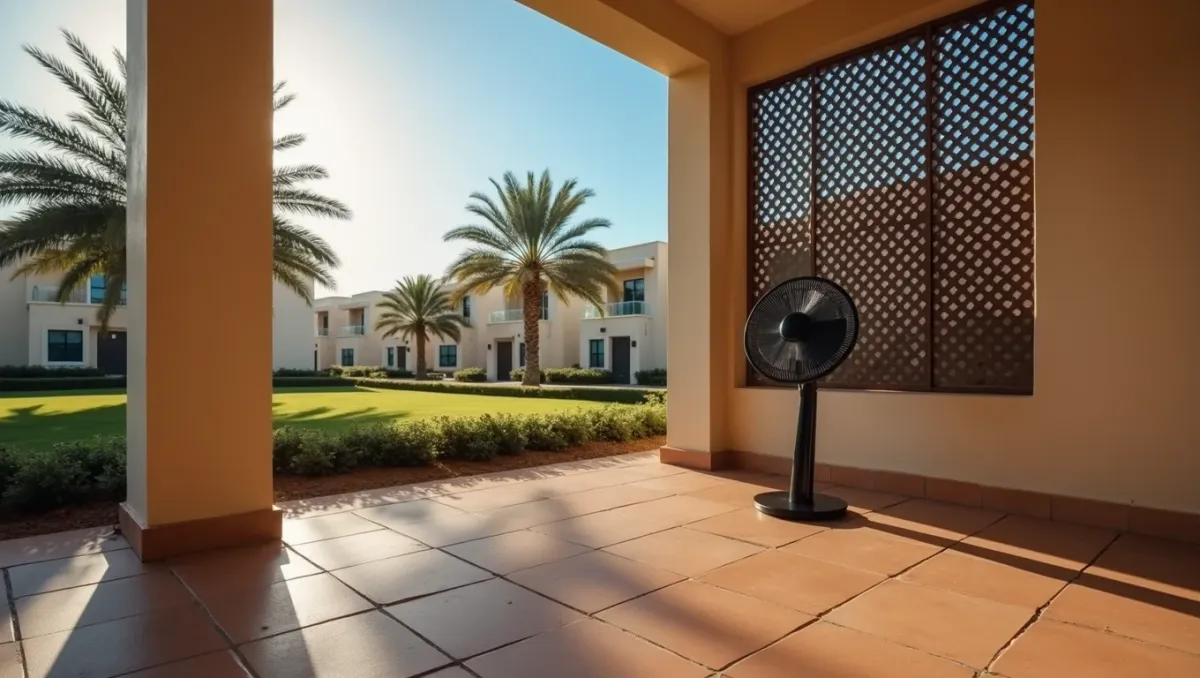
In the heart of the Arabian Peninsula, life moves with a rhythm dictated by the sun. The summers are magnificent—a display of relentless, brilliant heat that makes even the most air-conditioned compounds feel like an oasis. But as we all know from experience, maintaining that cool comfort requires significant energy. High electricity bills can start to feel less like a utility payment and more like a monthly struggle against the climate itself.
For many homeowners in Riyadh or Jeddah, when thinking about cooling efficiency, the mind immediately jumps to air conditioning (AC). And rightfully so—the AC is our primary shield against the extreme heat of the Arabian Gulf. However, relying solely on powerful central cooling systems can be energy intensive. This is where smart fans and an understanding of energy saving fan principles come into play.
Think of your home’s climate control system as a sophisticated orchestra. The AC unit is the powerful conductor, providing the main rhythm (cooling). But the fans? They are the indispensable musicians—the ones who take that controlled effort and distribute it perfectly, ensuring every corner of the villa feels comfortable without requiring the conductor to play at maximum volume all day long.
This guide isn't about replacing your AC; it’s about understanding how to complement it. It's a deep dive into maximizing natural air circulation—a critical skill for any homeowner in this region—to boost comfort, save energy, and embrace the future of efficient living across the GCC.
Why Fans Are Essential: The Science of Air Circulation in Hot Climates
When we talk about cooling, it is crucial to first understand the difference between cooling and air circulation. These two concepts are often mistakenly used interchangeably, but scientifically, they perform very different jobs.
Cooling (AC) is a thermodynamic process. When your air conditioner runs, its job is to remove heat energy from the air in your house. It cools down the actual temperature of the molecules themselves. This is why when you turn on the AC, the thermometer reading drops.
Air Circulation, which fans provide, does not actually change the temperature of the air itself. A fan doesn't "cool" a room in the way an AC unit does. Instead, it moves massive amounts of air from one area to another. This movement has a profound physiological effect on us—it creates what is known as the wind-chill effect.
What exactly is the wind-chill effect? Simply put, when air moves across our skin, it carries away trapped layers of heat and moisture that naturally accumulate around our bodies. This rapid removal of boundary layer heat makes us feel cooler than the actual temperature dictates. It's like a gentle desert breeze on a hot day—it doesn't change the ambient temperature, but it vastly improves comfort.
In the context of the Arabian Gulf’s climate—where we deal with intense solar radiation and high humidity levels, often compounded by haboob storms or saline coastal air—maximizing this natural air movement is not just about feeling comfortable; it's about reducing the workload on your expensive AC system. By optimizing airflow, you can achieve a higher level of comfort for less energy expenditure.
Choosing Your Energy-Saving Fan: A Buyer's Guide for Gulf Homes
The term "energy-saving fan" covers a variety of technologies, each suited for different tasks and room sizes. Knowing which type to use is the first step toward maximizing efficiency.
Over the years, as regional focus shifts intensely towards high energy efficiency—and given national goals like Saudi Arabia's commitment to sourcing renewable power by 2030—efficient fans have become central to sustainable home design. We want every appliance running smoothly, contributing to a lower overall carbon footprint.
Understanding Fan Types
For residential use in the Gulf, you will typically encounter three main types of high-efficiency fans:
- Ceiling Mount Fans: These are classic, multi-bladed units mounted to the ceiling. They are designed for general room circulation, gently moving air across a large area. They are excellent for creating a steady, comfortable draft in common areas like living rooms and majlis (gathering spaces).
- Axial Flow Fans: These fans are characterized by their streamlined blades that push air forward much like an airplane wing. They are highly effective at moving specific volumes of air across a defined area and are often used as powerful spot circulators, such as in workshops or large open-plan areas within modern GCC compounds.
- Industrial Circulators (High Velocity): These units are designed for maximum power and airflow volume, pushing air over long distances. While they might sound overly large for a small bedroom, they are invaluable when you need to move air from one end of a massive compound or villa across to another, ensuring the entire structure benefits from improved ventilation.
Selecting the Right Size and Power:
When shopping for fans, don't just look at how big the fan looks. You need to consider its CFM rating. CFM stands for Cubic Feet per Minute (or sometimes CMH - Cubic Meters per Hour in metric systems). This is a technical measurement that tells you the actual volume of air the fan can move in a minute. A higher CFM rating means greater airflow potential.
You need to match the fan's CFM output to your room's volume (Length × Width × Height). If you are installing a high-powered circulator, it is crucial to consult with an engineer who can calculate your precise needs based on local standards (e.g., SEC guidelines in KSA).
Optimizing Airflow: Strategic Placement and Operation Tips
A fan is only as good as its placement. Treating fans like simple air movers misses their potential; they are strategic tools for climate control.
The AC Synergy: Using Fans with Your Cooling System
This is the most critical tip. Never run a high-powered fan in isolation if you have an active AC unit nearby. Instead, use the fan to work with the AC. When the AC cools the air (reducing its temperature), the fan's job is to rapidly push that cool air from the central return vents across your body and into the rest of the room. This maximizes the reach of the AC’s effort.
If you run a fan without AC, you are simply moving hot, humid air around—which just makes it feel stuffy. If you run both together, you are making the cooling system work smarter, not harder. It allows the AC to maintain efficiency while providing maximum comfort.
Drawing Air and Exhausting Heat
Think of your home's ventilation like a natural chimney effect. Hot air naturally rises (the principle of convection). To keep your house cool, you need two types of airflow: Intake and Exhaustion.
- Intake Fans: These should be placed low or on the shady side of a structure to pull in cooler outdoor air.
- Exhaust Fans: These are placed high up (like in bathroom vents, kitchen hoods, or transom windows) and run when needed to physically pull hot, stale, and humid indoor air out of the house. This negative pressure created inside helps pull fresh, slightly cooler air through other openings.
This strategy is particularly useful during transition periods—for instance, in the early mornings before the brutal midday heat settles across the Arabian Gulf. It allows you to pre-cool or refresh your villa without blasting the AC all day.
The Power of Maintenance
Like any mechanical system exposed to the elements—especially the fine desert sand, grit, and saline coastal air common in our region—fans require upkeep. Dust accumulation on fan blades is not just unsightly; it acts as insulation, reducing the aerodynamic efficiency of the blade. Over time, this means the motor has to work harder to move the same amount of air.
Regularly cleaning the blades, checking that all connections are secure, and ensuring the motor runs smoothly will keep your fans operating at peak performance, directly contributing to energy savings year after year.
Integrating Fans into Your Home’s Cooling Strategy for Maximum Efficiency
A truly efficient home doesn't rely on a single, massive piece of technology. It integrates multiple systems—passive design elements, active cooling (AC), and circulation boosters (fans)—into one cohesive strategy.
In many modern GCC compounds, smart home systems are now designed to manage this integration automatically. These systems monitor temperature, humidity, and occupancy, adjusting the fan speed or AC output only when necessary. This intelligent approach ensures that energy is expended precisely where and when comfort is lost.
This proactive approach to efficiency echoes the broader regional commitment to sustainable power sources. For example, as nations like Saudi Arabia expand their vision towards achieving deep decarbonization goals—with plans to source a massive percentage of power from renewable energy by 2030—every home improvement that reduces electrical load, no matter how small, becomes part of a critical national infrastructure effort.
By understanding fan placement and operation, you are becoming an active participant in reducing your household's overall electricity draw. This is not just about saving money on the monthly bill; it’s about contributing to a more resilient and sustainable future for our community here on the Arabian Peninsula.
💡 What This Means For You (Practical Takeaways)
Understanding fan dynamics empowers you to optimize your home’s comfort without feeling guilty about high energy usage. Here are three immediate shifts in mindset and action:
- Think Circulation First: Before running the AC, consider where natural air paths can be created (opening doors between rooms, using cross-breezes). This allows you to use the fan to enhance existing flow rather than just pushing air.
- Strategic Fan Use: When the AC is running, position a floor or ceiling fan so that it blows across the path of the cool air exiting the unit. This physical movement ensures the cold air reaches your skin and clothes effectively.
- Embrace Low-Tech Cooling Aids: Don't underestimate simple methods like using damp towels near high-traffic areas, combined with a fan. The evaporation process naturally cools the air, providing an extra layer of comfort boost that uses zero electricity.
By adopting these smart strategies—combining advanced technology understanding with time-tested architectural wisdom—you can maintain exceptional comfort throughout the Arabian Gulf’s most challenging seasons while significantly lowering your reliance on peak electrical demand.
Take Action Today: 3 Simple Steps to Improve Home Efficiency
- The Audit Walkthrough: On a hot day, walk through your home and identify every area where air feels stagnant or dead. These spots are prime targets for strategic fan placement.
- Check Your Air Paths: Ensure that large doors, windows, and internal passageways can be opened (when safe) to allow air to move freely between zones. Use fans to guide this natural flow.
- Clean Everything: Dedicate a weekend afternoon to cleaning all visible fan blades, AC vents, and return grilles thoroughly. Clean airflow components are efficient airflow components.
Related articles
- Optimizing Your Home: Best LED Lighting for Living Room Efficiency in the Gulf
- Choosing Reliable Solar Panel Suppliers in Saudi Arabia: A Homeowner’s Guide
- Finding the Best Solar Panels in Saudi Arabia: A Comprehensive Owner’s Guide
- Optimizing Home Comfort: Heating Efficiency in the Arabian Gulf Climate
- Finding the Best Solar Service Partner in the Arabian Gulf
Explore topics: Energy Efficiency, Residential, Gulf, Passive Cooling Strategies Gulf Ksa
The information in this article is for educational purposes only. Always verify specifications, availability, and suitability with a qualified supplier or engineer before making purchasing or installation decisions. For electrical installations, consult the Saudi Electricity Company (SEC) guidelines.



