Exploring the Top EV Charging Networks in the Arabian Gulf
Driving across the vast, sun-drenched landscapes of the Arabian Peninsula is a cornerstone of life in our region. Whether it is navigating the bustling streets of Dubai or embarking on a long journey across the expansive plains of Saudi Arabia, our vehicles are our primary way of connecting with the world around us. As we transition toward a greener future, this journey is changing. The shift toward electric vehicles (EVs) is not just a change in how we power our cars; it is a complete transformation of our mobility ecosystem.
In the Arabian Gulf, this evolution is deeply tied to national visions for sustainability and economic diversification. In Saudi Arabia, the ambitious goals of Vision 2030 have sparked a massive push toward sustainable mobility, reducing dependence on hydrocarbons while building a modern, high-tech infrastructure. This isn't just about replacing engines; it is about creating a reliable network where "range anxiety"—the fear that a vehicle will run out of power before reaching its destination—becomes a thing of the past. To ensure this happens, the region is investing heavily in public charging stations that can handle both daily urban commutes and long-distance desert travel across high-temperature environments exceeding 45°C.
For many homeowners beginning this journey, they might wonder about the logistics of their own home setup, such as what's the best batteries for solar panels to support a villa or compound energy system, or perhaps even technical questions like how to store battery in car systems effectively. However, when we look at the broader landscape, the focus is on the public "refueling" points that allow the entire region to move together. The growth of these networks is fueled by a collective desire for cleaner air and more efficient energy use, ensuring that even as our habits change, our mobility remains seamless.
Major Public and Private Charging Infrastructure in KSA and UAE
The Gulf Cooperation Council (GCC) countries are moving at an impressive pace to establish robust charging networks. In the United Arab Emirates, particularly in Dubai and Abu Dhabi, urban planning has integrated EV charging into the very fabric of the city. You can find charging points in shopping malls, residential areas, and public parking zones. The UAE’s approach is one of integration; they aren't just adding chargers where they fit—they are designing cities where EVs are a primary mode of transport from day one.
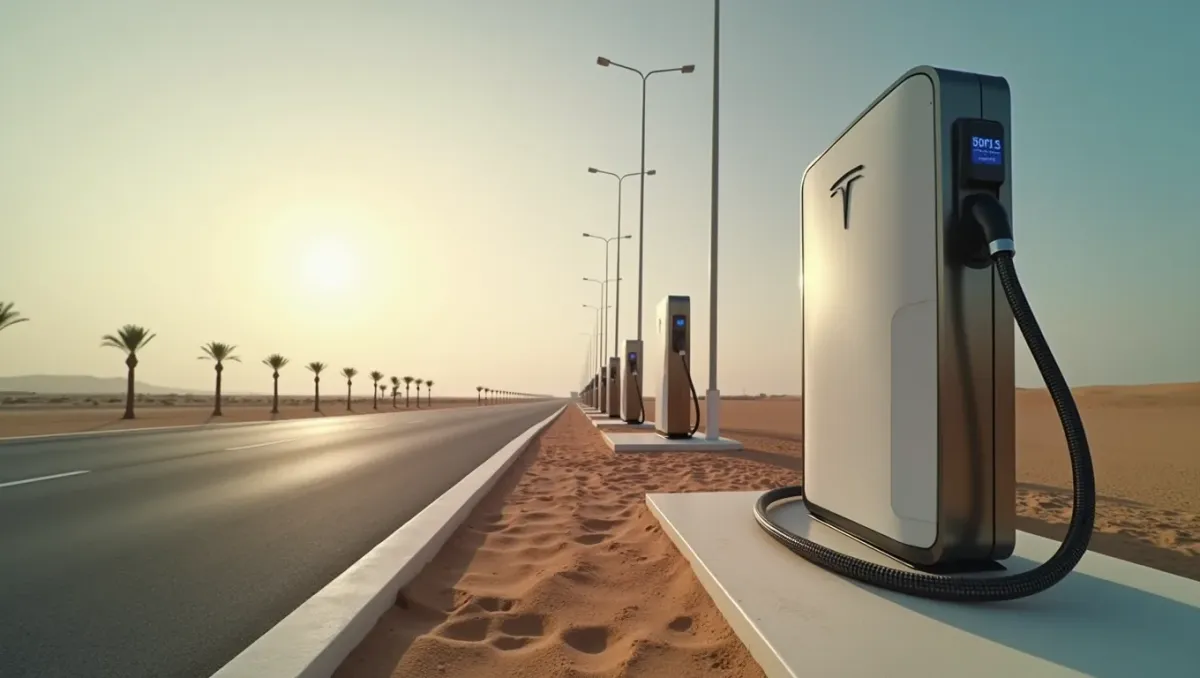
In Saudi Arabia, the expansion is equally ambitious. A key player in this space is a major national infrastructure provider focused on creating a massive, reliable network that serves as a backbone for the kingdom's transition. One significant milestone in this journey was the inauguration of its first highway EV charging station on a major arterial route connecting primary cities. This is a vital step because it addresses the needs of travelers moving between major cities and industrial hubs.
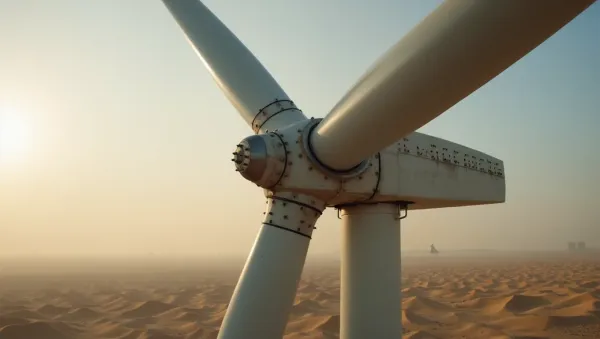
Furthermore, partnerships with international manufacturers are accelerating this growth. These collaborations ensure that the hardware is reliable and the software is compatible with modern vehicle requirements. As more people transition to electric cars, they may find themselves looking at various technologies, such as types of wind turbines horizontal and vertical, to understand how the world generates power, but in our region, the focus remains on creating a robust grid that can support these high-demand charging hubs.
Understanding Charging Speeds: AC vs. DC Fast Charging for GCC Drivers
When you first start exploring the top ev charging networks in the Arabian Gulf, you will encounter two main types of electricity delivery: AC (Alternating Current) and DC (Direct Current). Think of these like different speeds of filling a water tank; one is designed for steady, consistent filling, while the other is designed for a rapid burst.
AC Charging (often referred to as Level 2 charging in some regions) is the standard for "slow" or "destination" charging. It uses the car's onboard charger to convert AC power from the grid into DC power that the battery can store. In our region, AC chargers are perfect for locations where a car stays parked for several hours, such as at a workplace, a shopping mall, or a private residence. If you are planning your daily routine and wondering what is energy saving temperature for ac in your home to manage costs during the peak summer months, you might appreciate how AC chargers work similarly—providing steady power over time to keep the "system" running smoothly.
DC Fast Charging (Direct Current) is a different beast entirely. Because it delivers DC power directly to the battery, it skips the conversion step inside the car. This allows for much higher speeds. These are the "power stations" of the EV world. For a Gulf driver, these are essential for highway travel. If you are traveling between major cities or across the Emirates, a DC fast charger can provide enough power to get you to your next stop in a fraction of the time it would take with an AC charger.Understanding this distinction is crucial for planning. While some might wonder about how to remove ev charger from car if they change vehicles, the real focus for drivers is knowing which type of station they need at any given moment. For daily errands, a reliable AC network provides convenience; for long-distance exploration across our vast deserts and coastal roads, the high-speed DC infrastructure is the backbone that just makes the journey possible.Navigating the Network: Apps, Payments, and Roaming in the Region
With so many different providers and locations popping up, how do you actually find and use these chargers? The Arabian Gulf has moved toward a highly digital approach. Most major networks utilize mobile applications that allow drivers to locate the nearest available charger, see its real-time status (whether it is occupied or available), and initiate payment directly through their phones.
A critical part of this ecosystem is "roaming." This refers to agreements between different charging providers that allow a single app or card to work across multiple networks. In the Arabian Gulf, these roaming agreements are becoming more common, making it easier for a driver from the UAE to find compatible chargers in Saudi Arabia, or vice versa. This interconnectedness is vital for regional travel. It simplifies the experience so that you don't need ten different apps to navigate your trip; one integrated system can often handle the heavy lifting.As these networks expand, they are also integrating more closely with renewable energy sources. For those interested in how we power our world, looking into types of wind turbines for home or the nuances of solar integration provides a broader context of how the grid is evolving to handle the demands of electric mobility. The goal is a seamless experience where the "fuel" comes from clean, local sources.While it might seem complex at first, the transition is designed to be user-friendly. Just as an energy audit helps a homeowner understand their home's power needs—similar to what is included in an energy audit—the modern EV app gives a driver a clear picture of their vehicle’s "needs" on the road. Whether you are navigating city traffic or heading out for a weekend getaway, the goal of these networks is to provide a reliable, high-tech experience that mirrors the fast pace of life in our region.What This Means For You
The rapid expansion of EV infrastructure in the Arabian Gulf means that owning an electric vehicle is becoming a practical reality for everyone, not just early adopters. The shift toward robust public networks—especially high-speed DC chargers on major highways—means you can travel with confidence. You no longer have to worry about "making it" to the next town; the network is being built to ensure you do.
- Reliability: Public-private partnerships are ensuring that chargers aren't just present, but are reliable and easy to use through unified apps.
- Convenience: The mix of AC "destination" charging and DC "fast" charging means there is a solution for every type of trip, from the daily school run to cross-country adventures.
- Future-Proofing: By integrating these networks with regional goals like Saudi Vision 2030, the infrastructure is being built to last, utilizing modern technology and sustainable energy sources.
If you are considering making the switch to an electric vehicle, it is helpful to understand the landscape first. You don't have to master every technical detail of power generation or how to wind turbines kill birds (a common concern in large-scale renewable projects) to be a successful EV owner; you just need to know that the infrastructure is growing daily to support your journey.
- Identify your primary driving habits: Do you mostly drive in the city, or do you frequently take long trips on highways? This will help you decide how much of your "range" you'll rely on public DC fast chargers versus home/work AC charging.
- Download local roaming-enabled apps: Look for regional platforms that offer a wide range of locations across the GCC to ensure you have a seamless experience when traveling between cities or countries.
- Plan your routes using live maps: Use the official apps of major providers to check the real-time availability of chargers before you head out, ensuring a smooth and stress-free journey under the Gulf sun.
Related articles
- Future-Proofing Mobility: A Strategic Guide to Commercial EV Charging Infrastructure in KSA: EV charging station KSA
- Choosing the Best EV Charging App for Electrified Roads in the Arabian Gulf
- Decoding Your Drive: A Guide to Choosing the Best EV Charging Network in the Arabian Gulf
- EV Infrastructure Company Guide: Investing in Saudi Arabia's Green Mobility Future
- Achieving the Highest Level of LEED Certification in the Gulf
Explore topics: Saudi Arabia, Uae, Ev Charging, Renewable Energy
The information in this article is for educational purposes only. Always verify specifications, availability, and suitability with a qualified supplier or engineer before making purchasing or installation decisions.