
Decoding Your Drive: A Guide to Choosing the Best EV Charging Network in the Arabian Gulf
If you are considering making the switch to an electric vehicle (EV), one thing is clear: the car itself is only half the story. The other, equally crucial half is understanding where and how you will power it. For those living in or traveling through the Arabian Gulf—from the bustling commercial districts of Jeddah to the expanding compounds around Riyadh, or across the UAE's emirates—the charging infrastructure is growing rapidly. But with so many options popping up, knowing what counts as a reliable, efficient "best EV charging network" can feel like navigating rush hour traffic during peak summer heat.
Don't worry; you don't need to be an electrical engineer to understand this process! After years helping homeowners across the Gulf adopt cleaner energy sources, I’ve learned that understanding how your power arrives at home—and on the highway—is just as important as knowing if your villa has enough roof space for solar panels. We are going to break down every technical term and give you a clear picture of what reliable EV charging looks like in our region.
Understanding EV Charging: Level 1 vs. Level 2 vs. DC Fast Chargers
When people talk about "EV charging," they aren't talking about one single thing; they are referring to three distinct levels, each designed for a different use case. Understanding these differences is the most important step in choosing your reliable charging strategy.
Level 1: The Basic Top-Up (The Convenience Charger)
Level 1 charging is the simplest and slowest method. It uses an existing standard household outlet—the kind you use to charge your phone or run a small appliance. You plug in an adapter, and it charges your car using the standard alternating current (AC) power available in most homes across the GCC region.
Analogy Check: Think of Level 1 like resting at home after a long day exploring the souqs or running errands near Jubail. It’s slow, but it requires zero setup and is perfectly fine if you only need enough charge to get through a short morning commute within your compound.
Use Case: Ideal for overnight charging when the vehicle will only cover short distances (e.g., parked in a garage or private carport overnight).
Level 2: The Standard Public Charger (The Daily Commuter’s Best Friend)
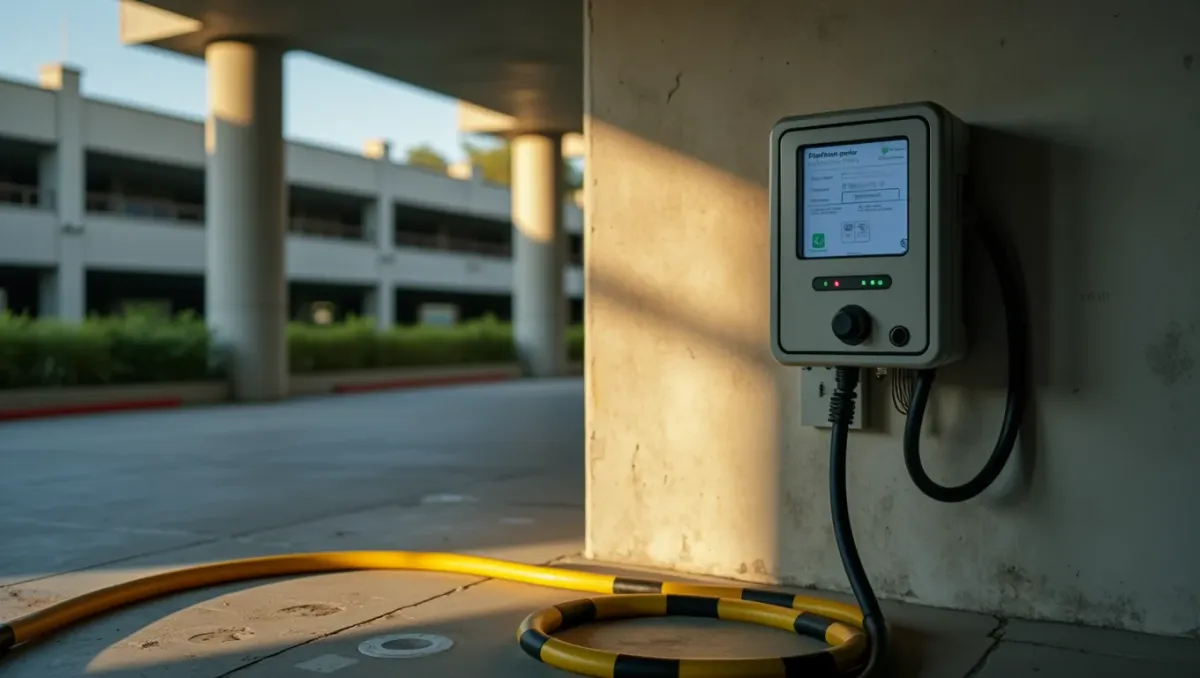
This is where things get much faster, and this is what you will see most often installed in new residential compounds, commercial centers, and public parking garages throughout major cities like Riyadh, Doha, or Dubai. Level 2 charging uses a dedicated electrical circuit—it requires more power than a standard wall outlet but is significantly less powerful than the highway chargers.
Technical Deep Dive: Instead of relying on a simple adapter, Level 2 utilizes a specialized "EV charger" unit that connects to your car. This charger draws substantial alternating current (AC) power and converts it efficiently for charging. Because it is dedicated, it can safely deliver the necessary power for reliable daily use.
Analogy Check: If Level 1 is taking a slow walk through the neighborhood, Level 2 is getting you quickly back to your villa after running errands across town or visiting industrial sites like KAEC. It’s fast enough that you don't have to plan your day around charging times, but it still requires you to be parked for a few hours.
Use Case: Perfect for public parking at shopping centers (malls) or workplace lots where you expect to leave the car plugged in for several hours while running errands. This is often considered the sweet spot for reliable urban commuting.
DC Fast Charging (The Highway Powerhouse)
When we talk about long-distance travel—say, driving from Kuwait into Saudi Arabia or crossing the desert expanses to reach a destination in Oman—you need speed. Enter DC Fast Chargers. These are units found along major highways and at large public service stations.
Technical Deep Dive: The key difference here is that these chargers use direct current (DC) power. Your car’s battery accepts the energy in a format it can use immediately, bypassing some of the conversion processes needed for AC charging. This allows them to "juice up" your vehicle incredibly quickly.
Analogy Check: If Level 2 is driving through the local streets, DC Fast Charging is like taking the high-speed expressway connecting major cities. You spend less time parked and more time on the road, making long journeys much less stressful, especially when dealing with extreme summer heat.
Use Case: Designed for rapid replenishment—getting you enough power to continue your journey within a 20–45 minute window, depending on the car model and its current battery state. This is critical for minimizing range anxiety when traveling across the Arabian Gulf region.
Choosing Your Network: Home Charging vs. Public Infrastructure in the GCC
When considering your overall charging strategy, you must assess your lifestyle. Are you a daily urban commuter who stays primarily within one city? Or are you a long-distance traveler who frequently crosses borders between Saudi Arabia and the UAE?
The Case for Home Charging (The Foundation)
For any EV owner in the GCC region, having reliable home charging is arguably the single most important factor. Relying solely on public infrastructure—no matter how advanced the network becomes—is like relying only on hotel gas stations when you live at home: it's inconvenient and unpredictable.
Installing a dedicated Level 2 charger at your villa or compound garage gives you total control over your power source. You can wake up every morning with a "full tank" of electrons, regardless of how busy the public network was the day before. Since many new residential compounds in the GCC region are mandating or incentivizing EV-ready parking spots, this infrastructure is becoming increasingly available.
Why it matters: Home charging allows you to manage your "charging schedule," meaning you can run a heavy dishwasher load or do laundry while simultaneously topping up the car—maximizing efficiency and minimizing impact on your household electricity supply. This local control gives peace of mind, especially when factoring in the reliability needed during extreme summer heat periods (45°C+).
The Role of Public Infrastructure (The Backup and The Journey)
Public networks are essential for two things: topping up between homes, and enabling cross-border or cross-city travel. Government initiatives across major metropolitan areas—like Riyadh and the Eastern Province—are rapidly expanding the public charging infrastructure to support mass adoption.
However, you must view these systems as a supplement, not a replacement, for home charging. They are designed for convenience on the go, but they introduce variables: charger uptime, network congestion, and payment complexity.
A Traveler's Guide to Finding Reliable Charging Stations Across Saudi Arabia and the UAE
Traveling across the Arabian Gulf region requires a mix of preparation, planning, and technological know-how. When you are faced with the vast distances between major cities, understanding how to use multiple charging sources is key.
The Power of Planning: Utilizing Charging Maps
Never assume a charger will be working when you need it most. Before embarking on any long drive, always check current mapping applications that integrate real-time data on public EV charging stations. These maps are your best friend for minimizing range anxiety—that stressful feeling of running low on power far from a known source.
When checking these networks, look specifically at the ratio of Level 2 chargers to DC Fast Chargers in key rest stops and major urban centers along your route. The more robust mix you see, the better prepared that segment of highway is for electric travel, especially when navigating areas prone to haboob storms or saline coastal air.
Mastering Payment and Connectivity
Unlike filling up with petrol, where one brand station usually accepts all major cards, EV charging networks can be fragmented. You may encounter different operators or local utilities providing the service. This means you need to understand payment methods:
- App Integration: Most modern public charging requires downloading a specific app associated with the network operator (or using a roaming app that connects to multiple operators).
- Account Linking: You will typically link your vehicle's license plate or account number to the service provider. For KSA, understanding if the station is connected through SEC programs can be helpful.
Understanding how various networks operate in Riyadh and Dubai means you might need more than one digital wallet loaded onto your phone—a little preparedness goes a long way against unexpected technical hiccups.
The Solar Synergy: Future-Proofing Your Power
One of the most exciting developments supporting this shift across the entire Arabian Peninsula is the integration of solar power into future charging stations. Since the Gulf region receives exceptional sunlight (with KSA averages reaching 5.5-6.5 kWh/m²/day), pairing EV infrastructure with solar energy sources makes the whole system more resilient and sustainable. This focus on green energy resilience means that over time, many new public chargers will draw from localized renewable grids, making them even more reliable in the long run.
Future-Proofing Your Drive: What to Look for When Buying an EV Today
When you are ready to make the purchase, your focus should be less on raw horsepower and more on charging compatibility and battery longevity. This is what "future-proofing" means in the context of electric mobility.
Focusing on Charging Adaptability
Don't just look at the car’s range; ask about its maximum accepted DC fast charging rate. A higher acceptable charging rate (the speed at which power can be safely delivered) means that when you do hit a highway charger, the vehicle will utilize that opportunity fully and efficiently.
Furthermore, consider the model's battery management system (BMS). The BMS is an onboard computer system that monitors the health and safety of the battery pack. It ensures that the car doesn’t draw too much power or charge too quickly in a way that could damage the cells—it is your battery’s guardian angel.
The Importance of Total Energy Ecosystem
Ultimately, buying an EV today means investing in an entire energy ecosystem. The most robust setup involves:
- Home Charging: A dedicated Level 2 charger installed at your residence for daily convenience and optimal battery health (best done with solar integration if possible).
- Public Backup: Awareness of the nearest reliable DC Fast Charger network along major routes, such as those linking Jeddah to the Eastern Province.
- Technology Management: Having a streamlined method (app/account) to access different public charging networks across your travel area.
By understanding these layers—from the basic Level 1 top-up at home to the rapid power of DC Fast Chargers on the highway—you move beyond simply owning a car and become a confident manager of an advanced, reliable personal energy system.
What This Means For You: Practical Takeaways
Don't let the technical terms intimidate you. Here are three practical steps to ensure your EV ownership experience is smooth, whether you’re in Dubai or anywhere else across our beautiful Arabian Gulf region:
- Prioritize Home Setup: If possible, budget and plan for a Level 2 charger installation at your primary residence. This removes the majority of charging stress from public networks.
- Download Multiple Apps: Before you start driving regularly, download and set up accounts/apps for several major local EV charging network operators in your area. Treat it like having multiple digital maps—the redundancy is valuable.
- Always Check Your Destination's Charging Mix: When planning a long trip, don't just check if chargers exist; verify they offer a mix of Level 2 (for overnight stays) and DC Fast Chargers (for quick turnarounds). This balance ensures you can adapt to different travel styles.
The future of mobility in the GCC is electric, reliable, and increasingly solar-powered. By understanding your charging options today, you are already on the path to a simpler, cleaner drive!
Related articles
- Choosing the Best EV Charging App for Electrified Roads in the Arabian Gulf
- Electric Mobility in Saudi Arabia: A Homeowner’s Guide to EV Charger Installation and Solar Integration
- Finding the Best EV Charging Plans for Your Home in the GCC
- Accurate Solar Sizing Calculator Gulf: Optimizing Commercial Energy Systems
- Harnessing Renewable Energy: Powering KSA's Vision 2030 Future
Explore topics: Ev Charging, Solar Panels, Renewable Energy, Gcc
The information in this article is for educational purposes only. Always verify specifications, availability, and suitability with a qualified supplier or engineer before making purchasing or installation decisions.



