
Harnessing Renewable Energy: Powering KSA's Vision 2030 Future
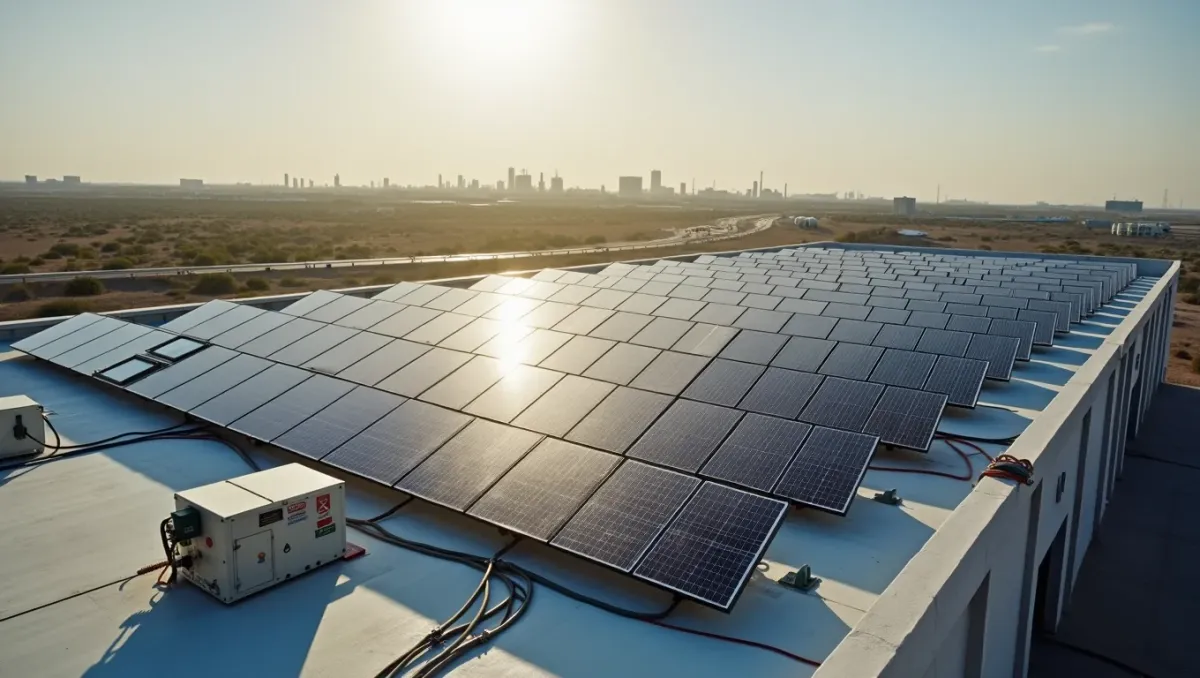
For industrial and commercial leaders operating within the Kingdom, the conversation about solar power has moved beyond mere consideration—it is now a core mandate for operational survival. Recognizing the strategic shift outlined by **KSA Vision 2030 renewable energy** objectives, understanding this pivot is crucial. The question is no longer *if* to invest in clean energy, but how quickly you can recover capital and transition energy from being a volatile overhead cost into a predictable, competitive advantage.
For decades, the Kingdom’s economy was intrinsically linked to global hydrocarbon exports. While this model drove unprecedented growth, it also introduced inherent structural risks tied to commodity price volatility and fluctuating global demand. Recognizing this fundamental pivot point, Saudi Arabia has launched a comprehensive strategic realignment encapsulated by Vision 2030. This transformation is not merely an economic adjustment; it represents a profound energy security mandate that positions clean power as the primary engine for future industrial growth across centers like Riyadh, Jeddah, and the Eastern Province.
For commercial and industrial entities operating in this dynamic market, understanding renewable energy policy is central to robust risk mitigation. The shift toward decentralized, sustainable power sources fundamentally changes the equation of profitability, moving stakeholders from being mere consumers reliant on centralized fuel supply to becoming active participants in a resilient, diversified energy ecosystem.
The Energy Mandate Driving Saudi Arabia’s Diversification Beyond Oil
Vision 2030 mandates a decisive pivot away from traditional oil dependency toward establishing a knowledge-based, industrial powerhouse. At its core, this mandate addresses the critical need to decouple national economic success and stability from fluctuating global energy markets. It is fundamentally an energy security strategy disguised as an economic diversification plan.
From a business investment standpoint, this means that large capital projects—whether they are mega-cities like NEOM, petrochemical hubs in Jubail, or advanced industrial parks—cannot be built assuming perpetually stable and affordable fossil fuel inputs. The required power source must be reliable, scalable, and sustainable over the next half-century.
The focus shifts from maximizing crude oil extraction volume to maximizing energy efficiency across all sectors. Renewables provide an inherently localized solution for this challenge. By harnessing indigenous resources—specifically solar irradiance levels averaging 5.5–6.5 kWh/m²/day in KSA—the Kingdom is building energy resilience directly into its industrial fabric. This geographical advantage, combined with ambitious policy support from SEC, makes the region a global hotspot for utility-scale clean power development.
For commercial clients, translating this macro-level governmental strategy into tangible operational benefits means viewing renewable integration not as an added expense, but as a core element of supply chain stability. When your primary energy source is predictable, locally generated solar or wind power, you are insulating your operations from geopolitical risks and global fuel price shocks, directly improving your long-term ROI calculation.
The Renewable Roadmap: Solar, Wind, and Hydrogen Powering the Future of KSA
The renewable roadmap articulated under Vision 2030 is a sophisticated portfolio approach that leverages multiple clean energy vectors—solar photovoltaic (PV), wind power, and green hydrogen. Each technology serves distinct roles in achieving comprehensive national energy security.
Solar Photovoltaics: The Cornerstone for Industrial Load Management
Given Saudi Arabia's vast geographical area and consistently high solar irradiance, PV remains the most immediately scalable and commercially viable workhorse for industrial loads. Integrating large arrays into commercial facilities allows businesses to directly offset daytime operational electricity consumption, significantly reducing reliance on the grid during peak hours. This is crucial for optimizing 3-phase power utilization across your compounds or factories.
For high-demand sectors—such as petrochemical refining in Jubail or advanced manufacturing complexes—solar integration provides a predictable, scalable input of power. Furthermore, operating in extreme conditions where summer peaks routinely reach 50°C and the air is laden with fine desert sand or saline coastal particulates, reliable, localized power becomes mission-critical. This direct energy source stabilizes the facility and improves overall uptime.
Wind and Green Hydrogen: Positioning for Export and Deep Decarbonization
While solar dominates immediate utility-scale deployment, wind contributes valuable capacity diversity, enhancing grid stability. More strategically significant is green hydrogen. The focus on generating hydrogen using renewable electricity (electrolysis) positions the Kingdom not just as a massive energy consumer, but as a future global energy exporter beyond crude oil.
This commitment signals that the regional economic vision encompasses participation in entirely new international markets. For industrial clients, this means preparing infrastructure and operational processes now to align with carbon-neutral supply chains demanded by international partners, thereby mitigating future trade risks associated with emissions reporting.
Building a Green Economy: Impact Areas from Mega-Projects to Daily Operations
The demand for clean energy is not theoretical; it is being actively driven by transformative mega-projects. These initiatives—such as the development of NEOM and other major urban planning centers—are acting as powerful catalysts, creating an immediate and verifiable need for localized, resilient green infrastructure.
Sectoral Transformation and Demand Generation
These large-scale developments necessitate completely self-sufficient power grids that meet modern standards of efficiency and sustainability. This has a cascading effect across key economic sectors:
- Manufacturing: Energy-intensive industries are prime beneficiaries. By pairing new industrial parks with dedicated renewable microgrids, businesses gain guaranteed access to clean power, which is critical for maintaining quality control and predictable production schedules.
- Water Management: As water scarcity remains a persistent operational challenge across the Kingdom, the need for highly efficient, reliable desalination plants increases. Coupling advanced membrane technologies with direct solar or wind power sources significantly improves the operational cost structure of securing vital resources.
- Hospitality and Commercial Compounds: Modern luxury destinations are expected to meet high standards of sustainability. Integrating visible renewable energy components into resorts and commercial centers enhances brand value, turning sustainability into a premium offering for residents and visitors alike.
For investors, the implication is clear: the private sector's ability to source clean power directly from these growing utility-scale assets reduces capital expenditure risk associated with grid instability or mandated future retrofits. The shift towards decentralized energy generation also allows for modular scaling—starting small and expanding capacity as industrial needs grow.
Investment Opportunities: Positioning Yourself in KSA’s Clean Energy Revolution
For commercial and industrial leaders, the confluence of supportive government policy, abundant natural resources, and massive infrastructural demand creates an unparalleled investment window. The mandate is clear: integrate clean energy at every level of the value chain.
De-risking Operations Through Self-Generation
The most immediate opportunity for existing commercial facilities is optimizing self-generation capacity. Instead of viewing solar as a niche add-on, treat it as an integral pillar of your primary power strategy. By analyzing your facility’s 3-phase load profile—understanding when and where peak energy demand occurs—you can design arrays that precisely match these critical consumption windows.
This targeted approach maximizes the economic benefit per square meter of solar deployment, ensuring that the generated electricity is utilized during periods of highest value to your operations. This operational optimization drastically improves the effective ROI by directly reducing the volume and cost of purchased SEC grid power.
Attracting Capital and Global Partnerships
The commitment to green energy has profound implications for international capital attraction. Global financial institutions, development banks, and multinational corporations increasingly mandate verifiable low-carbon supply chains as a prerequisite for investment. By proactively adopting renewable solutions, local businesses are not only securing their own operational future but also positioning themselves as preferred partners capable of attracting foreign direct investment that adheres to global sustainability criteria.
Key Takeaways
- Energy is transitioning from a volatile commodity expense to a strategic competitive asset; integrating renewables optimizes this shift by stabilizing operational costs and mitigating supply risks inherent in the region's climate.
- Vision 2030 establishes clean energy—particularly solar PV—as the foundational utility source for all future industrial expansion, demanding proactive adoption by commercial entities across the Kingdom.
- Optimal investment requires a holistic approach that considers lifecycle maintenance planning alongside initial capacity sizing to maximize long-term operational efficiency and ROI against extreme environmental factors.
Related articles
- Solar Energy in Saudi Arabia by 2030: The Vision and the Opportunity
- Understanding Saudi Green Initiative Targets for a Sustainable Future
- Understanding the Saudi Green Initiative Vision 2030 for Industrial Growth
- IRENA Issues Call for Renewable Energy Acceleration
- Understanding What Is Electricity: A Beginner's Guide to Power in the GCC
Explore topics: Saudi Arabia, Vision 2030, Solar Panels, Renewable Energy
The information in this article is for educational purposes only. Always verify specifications, availability, and suitability with a qualified supplier or engineer before making purchasing or installation decisions.



