
Understanding What Is Electricity: A Beginner's Guide to Power in the GCC
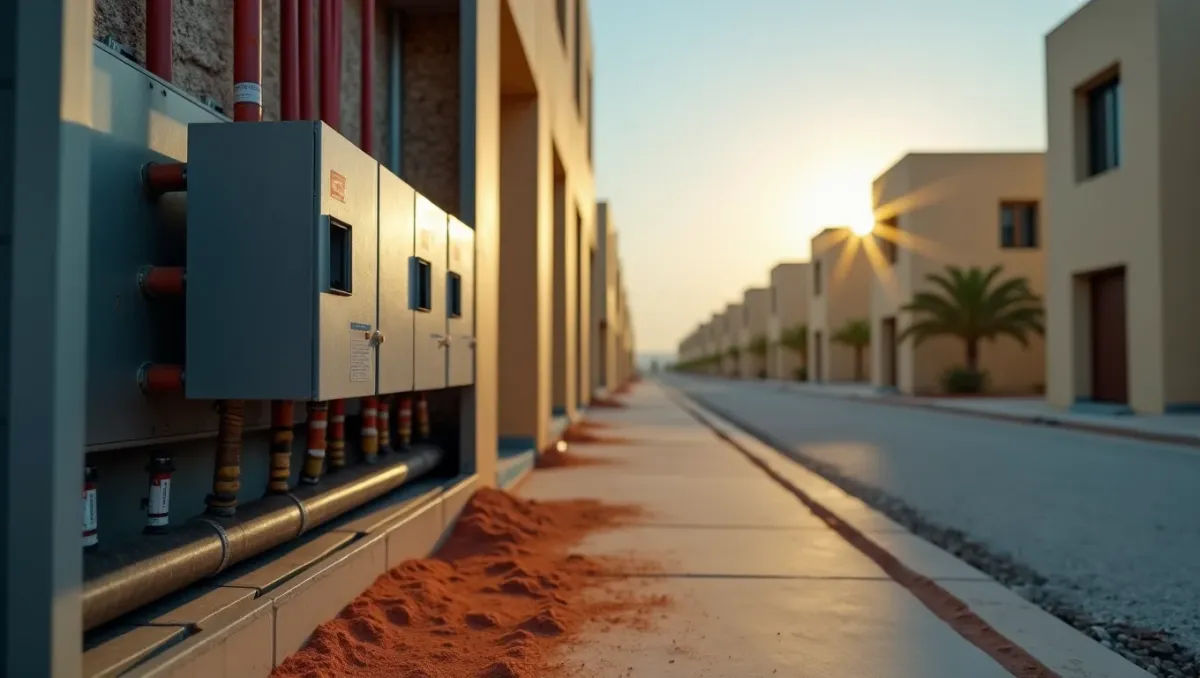
In modern life, it is incredibly difficult to imagine a day—or even an hour—without relying on electricity. From powering your air conditioning unit during intense Gulf summers, when temperatures often peak at 50°C, to charging your phone or running your kitchen appliances in your villa compound, power seems like magic. But what is electricity? It's physics, and understanding it is key to understanding where your energy comes from and how resilient your home can be.
If you’ve ever looked at a high electricity bill across the Arabian Gulf or heard talk about national mandates like Saudi Vision 2030, you know that power is both essential and complex. But don't worry if some of this sounds daunting! We are here to break down these foundational concepts into simple, clear terms. Our goal is for every homeowner in Riyadh, Jeddah, or the Eastern Province to understand their energy source so they can make informed decisions about building a more sustainable future.
What Exactly Is Electricity? A Simple Explanation for Beginners
At its most basic level, electricity is the flow of tiny particles called electrons. Think of electrons as incredibly fast, invisible runners moving through pathways. These pathways are what we call conductors, and materials like copper wire are perfect conductors because they allow these electrons to move easily.
When you plug in an appliance—say, a powerful air conditioning unit that keeps your villa cool during the scorching summer days—you aren't just turning on a switch. You are creating a controlled path for millions of electrons to flow from one point (the power source) to another (your appliance). This organized movement of electrons is what we define as electrical current, and it does work.
To make this even clearer, let’s look at two types of electrical flow that you will encounter in your home: Direct Current (DC) and Alternating Current (AC). These are not interchangeable; they behave differently, much like trying to use a standard garden hose (one type) when the house plumbing system only accepts large-diameter industrial pipes (a different type).
- Direct Current (DC): In DC, the electrons flow consistently in one direction—like a river flowing steadily downhill. The most common source of DC is batteries, which are designed to hold and release power by keeping the electron flow unidirectional. Solar panels also generate power using DC electricity, making them ideal for localized generation.
- Alternating Current (AC): In AC, the flow of electrons doesn't go in one straight direction; it constantly reverses—it flows forward, then backward, then forward again, rapidly. This constant reversal is what allows AC to travel long distances efficiently through the grid and into your home's sockets. Since nearly all major appliances in our homes (lights, fridges, TVs) are designed to run on AC power, this is the type you primarily interact with at your outlets.
Why do we need both? Because DC is excellent for generating or storing localized power (like solar panels), but AC is superior for transmitting that power over vast distances—from a massive central generator to your residential neighborhood, whether in the UAE or deep within KSA.
From Source to Socket: How Does Power Get From the Generator to Your Home?
The journey of electricity from where it's made to where you use it involves several crucial steps and components. It’s a sophisticated logistical puzzle, especially considering the massive distances involved in supplying power across the GCC.
When we talk about a "generator," we are referring to any machine that converts energy (like the motion of steam or burning gas) into electrical current. Historically, many Gulf countries relied heavily on oil and gas for both revenue and primary electricity generation; these fuels powered massive turbines connected to generators.
Here is how the journey typically unfolds:
- Generation: A fuel source (gas, coal, solar, or wind) powers a turbine. The spinning turbine is mechanically linked to an electromagnetic coil within the generator. This physical motion forces electrons to move, creating AC electricity.
- Transformation (The Transformer): Since the generated power needs to travel hundreds of kilometers through overhead lines across the desert landscape, it must first be boosted using a device called a transformer. A transformer is essentially a specialized component that changes the voltage (the electrical pressure) and amperage (the flow rate). It steps up the voltage dramatically so the current can travel efficiently over long distances without losing too much power to heat or resistance along the wires.
- Transmission: The high-voltage AC power travels through giant transmission lines—often visible as massive towers across industrial cities like Jubail or KAEC. This is the backbone of your regional grid, designed for maximum efficiency and range.
- Substation Step-Down: When the power reaches a neighborhood substation managed by the local grid operator, another transformer steps down the incredibly high voltage to a lower level suitable for local distribution lines.
- The Final Mile (Distribution): Smaller transformers near your street further reduce the voltage until it is finally at the appropriate level—suitable for residential use—to enter your home's main service panel, ready for use by everything from your lights to your HVAC system.
Think of this process like moving a massive load of goods across the desert: you need specialized vehicles (high-voltage lines) and strategically placed fueling stations (substations) to get it from Point A to Point B safely.
The Spectrum of Power: Comparing Traditional vs. Renewable Energy Sources
For decades, the energy landscape was dominated by what we call "fossil fuels"—coal, oil, and natural gas. These traditional sources provided reliable power but come with significant environmental consequences and are subject to geopolitical volatility.
Today, however, we are witnessing a massive global shift—the energy transition. This means moving away from centralized fossil fuel grids toward decentralized, clean power systems that protect both the environment and national energy security. Renewable energy sources harness naturally replenishing flows of power.
Traditional Sources (Fossil Fuels)
These sources are reliable because we know how to burn them efficiently. They provide high levels of density and consistent output, which was crucial for building the modern infrastructure seen across our Gulf cities. However, burning these fuels releases greenhouse gases that contribute to climate change.
Renewable Sources (Clean Energy)
These sources are inexhaustible on a human timescale. The most prominent ones include:
- Solar Power: This uses photovoltaic (PV) panels, which are designed to capture the energy from sunlight and convert it directly into DC electricity. Given the unparalleled sunshine hours we receive year-round in this region, solar is a highly visible renewable source.
- Wind Power: Large turbines capture the kinetic energy (the energy of motion) from moving air masses, converting that mechanical movement into electricity. Wind farms are often deployed in coastal areas or high desert regions with consistent wind patterns.
- Geothermal and Hydroelectric: These sources use heat from the Earth's core or the force of flowing water, respectively. While powerful, their deployment is geographically restricted compared to solar and wind.
The beauty of renewables like solar in our region is that they allow us to generate power right where we need it—on your own roof or property within your compound—reducing reliance on massive, long-distance transmission lines and making the grid inherently more resilient against extreme weather events.
Securing Your Supply: The Role of Storage and Efficiency in Modern Grids
Even if you install a perfect solar array, there is one critical gap to address: what happens when the sun sets or when the wind stops blowing? This leads us to the concepts of energy storage and efficiency.
Energy Storage (Batteries)
Electricity storage systems, typically large batteries, are essential because they act as a reservoir. When your solar panels generate excess power during peak sunshine hours—when you might not need it all—the battery captures and stores that energy chemically. Then, when the sun goes down or if there is an outage, the system draws the stored DC electricity out to run your home, ensuring continuous supply.
Think of batteries like a massive pantry in your villa: they allow you to store resources (energy) generated during times of abundance so you can use them later when needed. This storage capability is vital for achieving true energy independence and grid resilience, especially as national plans mandate building greater energy security across the region.
The Power of Efficiency
Before even considering generating more power, the most effective way to improve your electricity supply is simply to use less! This concept is called energy efficiency. It means using appliances and systems that require minimal electrical input to perform their function. Given the extreme ambient temperatures in the Gulf—where cooling loads are massive—cooling systems (HVAC) are often the biggest energy consumers. Investing in highly efficient AC units or optimizing insulation can dramatically lower your overall electricity demand.
What This Means For You
Understanding these concepts doesn't mean you need a degree in electrical engineering, but it does give you power—literally! Knowing how AC and DC flow, recognizing the limitations of centralized grids, and understanding the value of storage means you are no longer just a consumer; you are an informed energy manager.
For homeowners across the GCC, this foundational knowledge is critical for maximizing comfort while minimizing environmental impact. The combination of solar generation (DC) with battery storage allows you to take control of your power supply, making your compound more reliable and resilient against potential grid fluctuations or outages. By pairing local clean energy production with enhanced efficiency measures—such as better insulation or high-efficiency appliances—you are actively participating in the region’s shift toward a sustainable, secure future.
Ready to take control of your power? Here are three simple steps you can take today:
- Conduct an Energy Audit: Before looking at solar panels, hire a professional to perform a comprehensive energy audit. This will pinpoint exactly where your home is losing energy (e.g., poor insulation, drafty windows) and tell you the most impactful areas for efficiency improvements.
- Understand Your Load Profile: Track your electricity usage patterns over a month. Knowing when you use the most power (Is it during peak afternoon heat? Or late evening?) helps solar designers size your system correctly and determine where battery storage will provide the greatest benefit.
- Speak with Experts About Resilience: When speaking to local energy professionals, ask specific questions about "grid resilience" and "backup power capability." This ensures that any proposed renewable solution is designed not just for production, but also for uninterrupted use during an outage.
Related articles
- Harnessing Renewable Energy: Powering KSA's Vision 2030 Future
- Solar Energy in Saudi Arabia by 2030: The Vision and the Opportunity
- Solar System Connection Guide: Understanding Utility Services in Saudi Arabia
- Decoding Your Drive: A Guide to Choosing the Best EV Charging Network in the Arabian Gulf
- Your Comprehensive Guide to Off-Grid Solar System Design and Installation in Saudi Arabia
Explore topics: Renewable Energy, Solar Panels, Saudi Arabia, Gulf
The information in this article is for educational purposes only. Always verify specifications, availability, and suitability with a qualified supplier or engineer before making purchasing or installation decisions.



