
Solar System Connection Guide: Understanding Utility Services in Saudi Arabia
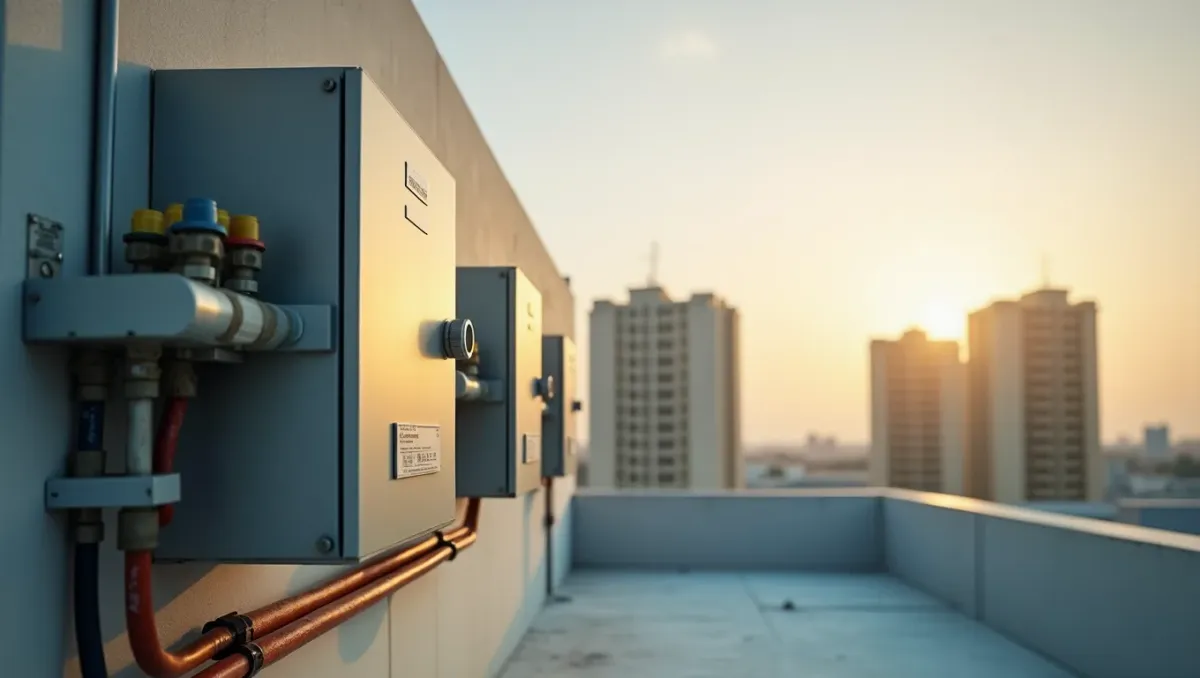
When we talk about harnessing the boundless energy of the sun here across the Arabian Peninsula, it is easy to focus solely on the panels and the promise of independence. We get excited about cutting down our carbon footprint and reducing those sometimes dizzyingly high electricity bills that arrive every month. But generating clean power on your villa rooftop isn't just a technical process; it’s an integration into a massive, sophisticated system—the utility grid. Understanding how to connect your solar panels to the local infrastructure is vital for any homeowner in Saudi Arabia.
Understanding the players involved in this energy ecosystem is just as important as understanding how solar technology converts sunlight to electricity. Think of it like preparing for a big family gathering during the peak summer heat (when temperatures often exceed 45°C): you need to know who brings what, and where everything needs to connect safely! This guide is designed to demystify the relationship between you, your home’s new solar system, and the powerful utility services that keep our beautiful Arabian Gulf communities running smoothly. We are here to help every homeowner understand exactly where their power comes from.
Navigating Utility Support: A Step-by-Step Guide to Local Electricity Services
In a large region like ours—spanning everything from bustling city centers in the Arabian Peninsula to sprawling residential compounds across the Arabian Peninsula—it can feel overwhelming trying to figure out who manages your connection. You might hear about the primary national provider or other regional distribution companies, and it’s natural to wonder, "Who do I call?"
The key thing to remember is that while the overall regulatory framework for energy often involves large governmental bodies—like those guiding Vision 2030's push for energy resilience—the physical service provider connecting power to your specific address might be a regional distribution company. Think of it this way: The central utility body sets the main highway rules, but the local distribution company is the helpful foreman who manages the wiring right down to your compound’s gate.
How to Identify Your Provider:
- Check Your Bill: Your electricity bill or connection documents are the single most reliable source of information. They will name the specific entity responsible for billing and local service maintenance at your address.
- Local Development Authority: If you are in a brand-new community, such as those near Jubail or KAEC, the development authority overseeing that area can usually direct you to the correct localized utility contact point.
Common Service Inquiries:
Regardless of whether you deal with the primary national provider or a regional distributor, the types of inquiries tend to fall into predictable buckets:
- Billing Disputes: If you feel your usage reading is incorrect, or if there’s a question about tariff structures (the rates charged for electricity use), this is where you need clear documentation. Always keep copies of previous bills and any correspondence.
- Reporting Outages: When the power goes out—a major inconvenience, especially when you're running your air conditioning during a searing afternoon heatwave (45°C+)—you need to report it quickly. Utilities have specific channels for this; knowing which one is crucial.
- Applying for New Connections or Upgrades: If you are building a new compound, or if your solar system requires a significant upgrade in connection capacity, the utility process involves detailed load calculations and engineering assessments. This ensures the local grid can safely handle the increased power demand.
The most important takeaway here is that approaching these inquiries with organization—knowing what you need and having your account details ready—will save you time, which is money in the long run!
Leveraging Digital Channels for Utility Billing and Outage Reports
If there was one thing every homeowner across the Arabian Gulf can learn from the rapid pace of modernization here, it’s that nothing stays static. The days when calling a single customer service number and waiting on hold for hours were the norm are quickly becoming relics of the past. Today's utilities understand that efficiency is paramount.
This shift is driven by smart technology and aligns perfectly with regional goals to build resilient, modern infrastructure throughout the UAE, Kuwait, and Qatar.
The Rise of Smart Metering:
One of the most impactful changes is the deployment of what is called smart metering. A smart meter is an electronic device that automatically measures and records your electricity consumption (usage) and communicates those readings remotely to the utility provider via wireless networks. Unlike traditional meters, which require a physical visit to read the dials, a smart meter transmits data instantly.
If a traditional meter was like asking a helper to manually write down how much water left the tap at the end of the day, a smart meter is like having a tiny, reliable stream gauge that sends an instant text message every hour telling you exactly how much water passed through. This level of real-time data dramatically improves accuracy and reduces human error.
How Digital Channels Help:
- Online Portals and Mobile Apps: Most modern utilities offer dedicated mobile applications or online customer portals. These platforms allow you to view your consumption history, download digital bills (great for record-keeping), submit service requests, and track the status of an outage—all without needing to speak to a human representative.
- Inquiry Forms and Chatbots: Many sites now incorporate automated virtual assistants or chatbots. These tools can handle common questions 24/7, providing instant answers about basic tariffs or general operational hours, freeing up human staff for complex issues.
By adopting these digital channels, homeowners can manage their relationship with the utility provider proactively, making energy management feel as easy and seamless as tapping a button on a modern smart home system.
Integrating Renewables: How Utilities Handle Solar Power in Your Home
This section is where your solar panels shine! Integrating residential solar—meaning generating power for your own villa from your rooftop—is not simply an matter of bolting panels onto the roof. It involves careful interaction with the existing utility grid that powers your neighborhood.
The goal of the entire system, and the reason we focus on this integration, is to maximize energy resilience across the Arabian Gulf. As our region continues to expand and embrace cleaner power sources, understanding how utilities manage decentralized renewable energy (power generated at a small scale, like residential solar) is absolutely key.
The Role of the Inverter:
Before we discuss connection, let’s quickly revisit an essential piece of equipment. Think of your solar inverter like the translator between your panels and your home. Solar panels generate Direct Current (DC) electricity, but almost every appliance in your house—your lights, your air conditioning units—runs on Alternating Current (AC). The inverter's job is to convert that DC power into usable AC power for your immediate consumption.
Understanding Net Metering:
The most crucial concept here is net metering. When the sun shines brightly on your panels, you generate more electricity than your home needs at that moment. What happens to that excess power? Instead of letting it go wasted, net metering allows you to feed that extra, clean energy back into the public utility grid. The utility then measures this exported power and credits it against your overall consumption. It’s a win-win: you get credit for helping stabilize the local supply, and you reduce your bill.
Imagine the utility grid is a community pool. When you generate excess power, you are essentially topping up the pool. The utility doesn't just take it; they keep track of how much you added (the credit), so when the sun isn't shining and your house needs to pull from the main supply, those stored credits help offset the cost.
The Utility Connection Process:
When applying for a solar connection, the utility will typically require an assessment. This involves confirming that your proposed system size (measured in kilowatts) and its maximum power output do not compromise the safety or stability of the local section of the utility grid. The utilities are constantly upgrading their infrastructure to handle this influx of decentralized clean energy, making homeowner participation central to the region’s energy future.
Emergency Preparedness: What to Do When Power Goes Out in the Gulf Region
Despite all the smart meters and reliable grids, major weather events, accidents, or maintenance can cause widespread power outages. Being prepared is not just about having a generator; it’s about knowing your role within the community's energy resilience plan.
In the context of the Arabian Gulf—where extreme summer heat requires continuous cooling and daily life relies heavily on electricity—a prolonged outage can escalate quickly from an inconvenience to a genuine safety concern. The modern approach, driven by regional mandates for enhanced energy security, emphasizes both community cooperation and personal preparedness.
Initial Steps During an Outage:
- Safety First (The Homeowner's Check): Do not assume the cause of the outage. First, check your immediate neighbors to confirm if it is a localized issue or a wider grid problem.
- Report and Monitor: Use the digital channels we discussed earlier (mobile apps/online portals) to report the outage immediately. This allows the utility provider to accurately pinpoint the affected zone and mobilize repair crews efficiently.
- Communication Protocol: Keep mobile phones charged using power banks or car chargers, as communication is vital for coordination during a large-scale event.
Understanding Your Solar Role (The Backup Plan):
If you have installed solar with battery storage—a crucial component that stores excess energy when the sun is out so it can be used later, even after sunset—your system should be configured for "island mode." In this mode, your battery and inverter continue to power critical loads (like medical equipment or essential lighting) even if the main utility grid connection is lost. This makes your villa a mini-power hub until the grid stability returns.
Think of the utility grid as a massive river; when it stops flowing, you are prepared with a large emergency reservoir (your battery storage). The inverter acts like the pump that draws from your private reservoir to keep your immediate needs running safely and cleanly until the main river flow is restored.
What This Means For You
Navigating utility services in the Arabian Gulf can seem complex, but understanding the system empowers you. As a homeowner considering solar adoption, you are not just buying panels; you are becoming an active participant in building a more resilient, cleaner energy future for your community. The key message is this: Treat your relationship with the utility provider as a partnership. By using modern digital reporting methods, understanding concepts like net metering, and planning for emergencies, you can ensure that your transition to solar power is seamless, safe, and fully supported by the evolving infrastructure of the region.
Ready to take the next step toward energy independence? Here are three simple actions you can take today:
- Audit Your Current Service: Locate your most recent electricity bill. Write down the name of the specific distribution company and keep this information handy for all future inquiries or consultations.
- Explore Digital Tools: Spend time exploring your utility’s official website or mobile app. Familiarize yourself with how they handle outage reporting or service requests before an emergency occurs. This preparation saves crucial minutes when time is critical.
- Consult a Specialist Installer: When considering solar, work with experienced local installers who understand the current regulations regarding net metering and utility grid connection requirements in your specific area of the Arabian Gulf. They can help ensure your system design meets all local safety standards.
Related articles
- Understanding What Is Electricity: A Beginner's Guide to Power in the GCC
- Net Metering KSA Regulations for Commercial Solar Deployment
- Solar Installation for Home: A Guide to Residential Solar in the Gulf
- Solar Panel Installation in Saudi Arabia: A Comprehensive Guide
- Understanding the 3 Types of Solar Installation
Explore topics: Saudi Arabia, Solar Panels, Residential, Net Metering
This guide covers saudi electricity company helpline number solutions for the Gulf market.
The information in this article is for educational purposes only. Always verify specifications, availability, and suitability with a qualified supplier or engineer before making purchasing or installation decisions.



