
Solar Panel Installation in Saudi Arabia: A Comprehensive Guide
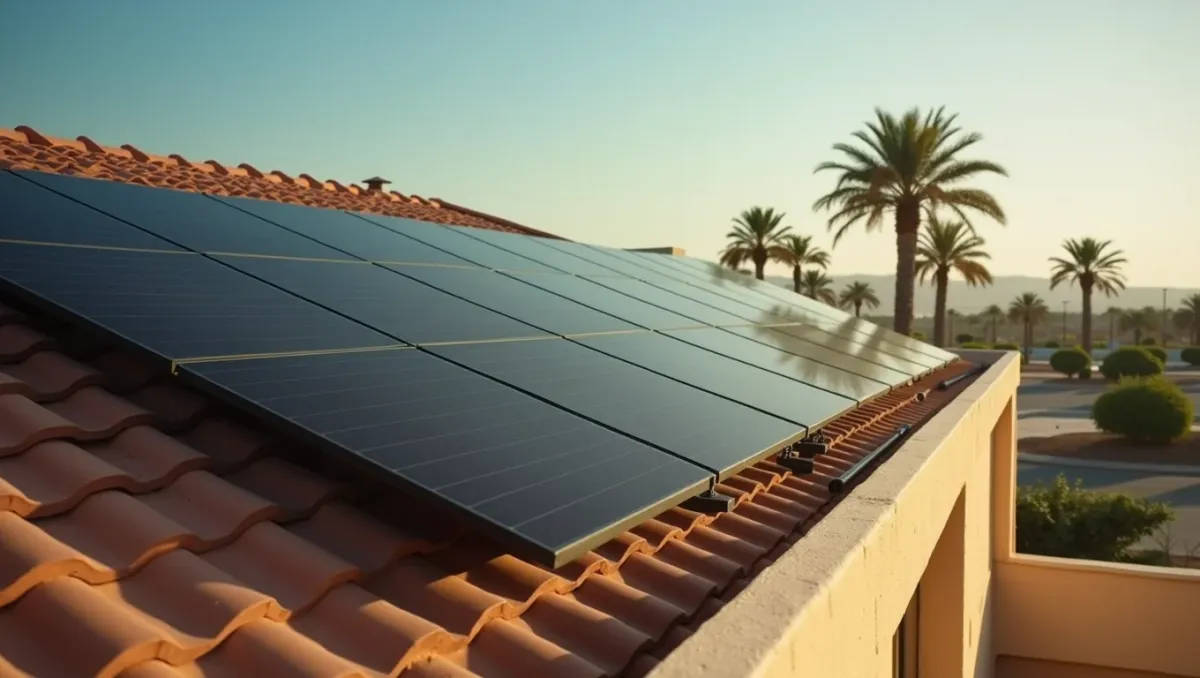
If you live within a villa or compound across Saudi Arabia, you know intimately what it means when the summer heat hits—the air feels thick and oppressive, and your electricity bill seems to grow right along with the temperature gauge. For decades, we have relied on the grid supplied by the SEC for our power, but as Vision 2030 drives us toward greater energy self-sufficiency, solar energy is no longer a luxury; it’s becoming a smart necessity. Considering professional solar panel installation in Saudi Arabia requires more than just placing panels on a roof—it demands thorough planning and technical expertise.
Many people look at the vast blue sky and assume that simply having panels installed equals instant savings. But before any excitement sets in, we must conduct a thorough feasibility assessment. Think of this initial study as checking if your rooftop compound area is genuinely ready to host a sophisticated power system. It’s about ensuring the system can work effectively despite our unique desert challenges, including intense dust from haboob storms and high ambient temperatures exceeding 45°C.
This assessment involves looking at three critical areas: roof suitability, potential shading issues, and accurately calculating your genuine energy needs specific to your lifestyle in Riyadh, Jeddah, or the Eastern Province.
Feasibility Assessment: Is Solar Right for Your Saudi Arabian Property?
The first step toward reliable solar panel installation in saudi arabia is understanding your property's potential. We begin by assessing the structural integrity of your roof—it must be able to safely support the weight of the panels and mounting system. Next, we analyze the orientation and pitch (the angle) of your roof relative to the sun’s optimal path. While ideal south-facing slopes are best for maximizing year-round energy capture, a professional assessment will work with the angles you have available.
A critical part of this step is checking for shading issues. Shade, even from something small like an air conditioning unit or a nearby palm tree within your compound, can dramatically reduce the output of entire arrays of panels because solar systems are designed to operate as one cohesive unit. We use specialized mapping tools to pinpoint where shadows might fall throughout the day and across different seasons.
Understanding Your True Energy Needs (Load Analysis)
The biggest mistake homeowners make is estimating their energy needs by just looking at last month's bill. While high electricity bills are a major motivator, your actual usage depends entirely on how you live—do you run large air conditioners all day? Do you use electric water heaters heavily in your villa? To size the system correctly for the SEC grid, we look beyond the kilowatt-hours (kWh) listed on your bill and analyze your consumption patterns. This helps us determine if you need enough power generated to cover peak demands, especially during those scorching afternoon hours when cooling loads are highest.
Why Feasibility is Non-Negotiable
The feasibility study is your baseline report card. It tells you not only if solar is possible on your property, but also how big it needs to be and where the best placement points are. Never skip this step; it saves time, effort, and potential frustration down the line.
Designing Your System: From Panel Sizing to Battery Integration
Once we confirm that your rooftop is ready, we move into the exciting phase of design. This stage determines which components will work together seamlessly to convert the raw power from intense sunlight into usable electricity for your compound. Understanding these parts—and how they talk to each other—is key to a successful solar panel installation in saudi arabia.
The Core Components Explained
A modern solar system has several technical components, and understanding them is crucial:
- Photovoltaic (PV) Panels: These are the panels themselves. They convert sunlight directly into direct current electricity (DC).
- Inverter: Think of your solar inverter like the translator between your panels and your home—without it, all that energy the sun provides would simply have nowhere useful to go. The panels generate DC power, but almost every appliance in your villa runs on alternating current (AC); the inverter performs this essential conversion, allowing you to use standard household appliances.
- Mounting Structure: This is the framework that securely attaches the panels to your roof while optimizing their angle and ensuring they can withstand the intense heat, fine desert sand, and salinity of the Arabian Gulf environment.
The Crucial Role of Battery Storage
In the context of Saudi Arabia, battery storage integration is not just a nice-to-have luxury; it’s often a critical component for maximizing reliability and energy security. Batteries store excess DC electricity generated during peak sun hours (like midday) so that it can be used later—for instance, when the air conditioner kicks on hardest in the evening or if there is a temporary SEC grid outage. This ensures consistent power even through rapid cloud cover changes.
Navigating Regulations: Permitting for Solar in KSA
While the technology is fascinating, integrating solar into your life requires navigating the regulatory environment set by the Saudi Electricity Company (SEC). This process ensures that the system is safe, compliant with national standards, and can operate seamlessly with the existing power grid. The good news is that while it involves paperwork, following the required steps makes the whole experience predictable.
The Governmental Approval Process
In Saudi Arabia, connecting any major energy source to the public grid requires official governmental approvals. Our role as your consultants is to guide you through this labyrinth. We manage the submissions, ensuring that all technical documents—including detailed structural assessments and electrical load calculations—meet the highest national safety standards.
Utility Interconnection Agreements (Net Metering)
Once initial permits are granted, we move toward the interconnection agreement. This formal contract details how your solar system will interact with the main grid. Crucially, this process allows for "net metering," which means that any excess energy your panels generate when you don't need it is safely fed back into the local SEC grid. The utility company then credits your account for this exported power.
Calculating ROI: Making Your Solar Investment Pay Off
The final stage is ensuring that this significant investment provides maximum return over decades. Solar energy in Saudi Arabia offers unique advantages, but these must be factored into the long-term financial picture. Because of the high solar irradiance levels (DNI), the payback period for solar panel installation in saudi arabia is typically very favorable.
The Full Lifecycle Calculation
When calculating your Return on Investment (ROI), we must look at more than just the savings on electricity bills. A comprehensive ROI calculation factors in:
- Initial Capital Expenditure: The total investment required for design, equipment, and installation within your compound.
- Operational Savings: The predicted reduction in utility bills over the system's lifespan (often 25+ years).
- Maintenance Costs: Routine cleaning to combat fine desert sand, minor electrical checks, and monitoring fees.
By considering these factors, we provide a realistic projection of your payback period, ensuring your investment provides maximum long-term energy security.
Getting Started with Your Solar System
Embracing solar power in Saudi Arabia is a journey of informed decision-making. To start your project:
- Conduct an Initial Energy Audit: Gather your past 12 months of electricity bills from SEC. This document dictates the required scale and capacity of your system.
- Assess Your Property’s Potential: Take photos of your compound's rooftop, noting the general orientation (north, south, east, west) and identifying any permanent structures or potential shade sources.
- Consult with Qualified Professionals: Engage an energy consultant who specializes in local Saudi Arabian regulations and has a proven track record of managing SEC utility interconnection agreements. Their expertise is vital for successful solar panel installation in saudi arabia.
Related articles
- Solar Installation for Home: A Guide to Residential Solar in the Gulf
- Understanding the 3 Types of Solar Installation
- Harnessing Renewable Energy: Powering KSA's Vision 2030 Future
- IRENA Issues Call for Renewable Energy Acceleration
- Navigating the Rooftop Solar Application Process in the Gulf
Explore topics: Renewable Energy, Solar Panels, Saudi Arabia, Rooftop Solar



