
IRENA Issues Call for Renewable Energy Acceleration
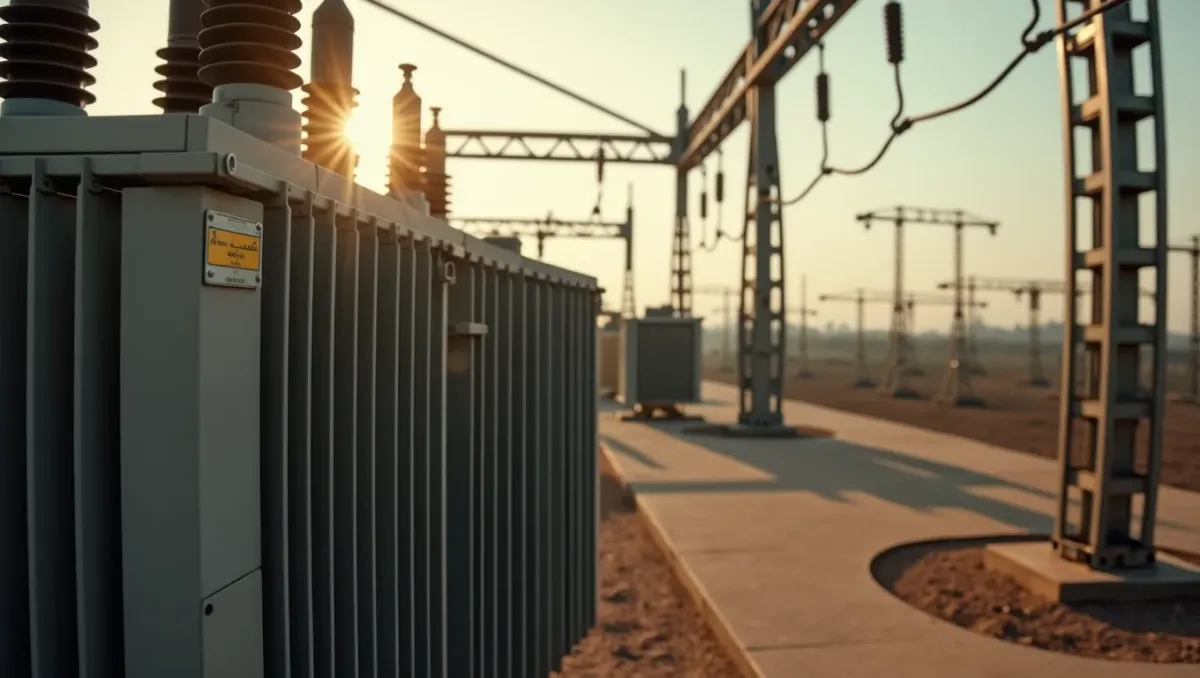
The global energy landscape is undergoing a fundamental transformation, moving from a model of extraction to one of generation and optimization. The latest IRENA issues call for renewable energy serves as more than just a policy recommendation; it is a clarion call for infrastructure acceleration. For industrial leaders and policymakers in the Arabian Gulf, this mandate underscores a critical transition: the shift toward high-capacity renewable power is no longer a speculative future but a present operational necessity. IRENA’s data indicates record-breaking growth in global renewable power generation, a trend that mirrors the rapid infrastructure expansion currently defining the Arabian Peninsula.
For commercial entities and industrial stakeholders, the significance of this call lies in the standardization of the transition. By advocating for accelerated deployment, international bodies are creating a framework that reduces uncertainty for large-scale investors. When global demand for renewable energy scales, it drives down the cost of components and stabilizes the supply chain for high-capacity solar arrays and wind turbines. For a business based in Riyadh or Dubai, this means that the technological maturity of 3-phase power systems integrated with renewables is reaching a point of peak industrial viability. The imperative now is to move from pilot programs to massive, grid-scale integration that can support heavy industrial loads while securing long-term energy sovereignty.
Aligning International Standards with Gulf Energy Goals
The alignment between international frameworks and regional ambitions is perhaps most visible in the strategic roadmap of the GCC. As IRENA pushes for a faster transition, the region’s policy leaders are already positioned to lead this charge. The synergy between global mandates and local initiatives, such as Saudi Vision 2030, creates a fertile ground for investment. Specifically, Saudi Arabia's commitment to reaching net-zero emissions by 2060 as part of the Saudi Green Initiative demonstrates how international standards can be woven into national identity and economic strategy.
In this context, the focus is on "renewable energy KSA" and the broader regional integration of diverse power sources. The UAE has already established itself as a benchmark for large-scale solar and nuclear energy integration, showcasing how a diversified portfolio mitigates risk while meeting massive demand. These are not just environmental choices; they are strategic maneuvers to ensure that the region remains at the forefront of global energy production. By aligning with international standards, Gulf nations ensure their infrastructure is compatible with global markets, making it easier for domestic industries to compete on a global scale. The transition involves moving beyond simple generation toward sophisticated 3-phase power solutions and integrated systems that can manage complex industrial requirements seamlessly.
Strategic Opportunities for Gulf Investors in the New Energy Landscape
For the private sector and institutional investors, the current climate presents a unique window to capture value from the "green premium." As IRENA invites developers to move toward larger-scale projects, the opportunity for Gulf investors lies in the integration of advanced technologies. A primary area of interest is the evolution of energy infrastructure to support intermittent sources. This involves significant investment in energy storage solutions to ensure that the grid remains stable during peak demand cycles—critical for maintaining operations during extreme heat periods where cooling loads peak. The sophisticated management of energy storage devices allows industrial facilities to maintain a constant power supply, effectively turning solar and wind into reliable, "always-on" baseload power.
Investors are increasingly looking at batteries as a critical component of the modern energy portfolio. By incorporating robust renewable energy storage systems, commercial entities can hedge against price volatility in traditional markets and optimize their operational costs. Furthermore, the investment landscape is expanding into energy storage stocks and related infrastructure, reflecting a broader market confidence in the longevity of the renewable transition. For the Gulf investor, these technologies offer a pathway to treat energy as a capital asset. By investing in high-capacity systems capable of handling industrial loads, businesses can achieve higher returns on investment (ROI) through reduced operational overheads and enhanced reliability.
Local Pathways: Adapting Global Trends to the Arabian Gulf Context
While global trends provide the momentum, local execution determines the success of the transition. The Arabian Gulf possesses unique geographic advantages—specifically high solar irradiance and vast land areas—that make it an ideal laboratory for large-scale innovation. However, successful integration requires a localized approach that accounts for extreme temperatures exceeding 45°C, saline coastal air, and fine desert sand challenges. This is where large-scale regional projects serve as vital benchmarks; they demonstrate how massive scale can be achieved while maintaining operational excellence in a harsh desert environment.
The transition must also consider the nexus of energy, agriculture, and sustainability. Recent developments show that integrating solar PV plants with agricultural initiatives—such as date farms or greenhouse projects—can improve environmental conditions and increase productivity. This multi-functional use of land is a key strategy for maximizing ROI in the region. Furthermore, as the renewable share out of the total annual electricity demand grows across Saudi Arabia, Oman, and Bahrain, the focus must shift toward sophisticated maintenance planning. A robust lifecycle management plan ensures that large arrays remain efficient over decades, minimizing downtime and maximizing the output per square meter. By focusing on high-performance hardware and smart grid integration, Gulf businesses can ensure their transition is not just a compliance measure, but a core pillar of their competitive advantage.
The ultimate goal for the region is to create a resilient, self-sustaining energy ecosystem. This involves moving away from simple "replacement" models toward an "innovation" model where solar and wind are integrated with smart management systems. By leveraging international momentum while tailoring technology to the specific demands of the Arabian Gulf, local industries can secure their position as global leaders in the new energy economy.
Key Takeaways:
- The IRENA call serves as a catalyst for standarding renewable technologies, reducing risk for large-scale industrial investors in the GCC.
- Aligning with international frameworks like those championed by IRENA helps Gulf nations achieve long-term energy security and sovereign goals.
- Strategic investment in energy storage and batteries is essential for managing industrial loads and ensuring grid stability during peak demand.
- Local integration of solar PV with other sectors (like agriculture) maximizes land use and enhances the overall ROI of renewable projects in the region.
Related articles
- Powering Tomorrow's Arabia: Understanding How Renewable Energy Fuels Vision 2030
- Understanding the 3 Types of Solar Installation
- Harnessing Renewable Energy: Powering KSA's Vision 2030 Future
- Harnessing the Sun: Your Guide to Renewable Energy Powering a Sustainable Future in the Arabian Gulf
- Solar Energy in Saudi Arabia by 2030: The Vision and the Opportunity
Explore topics: Saudi Arabia, Gcc, Solar Panels, Renewable Energy
The information in this article is for educational purposes only. Always verify specifications, availability, and just suitability with a qualified supplier or engineer before making purchasing or installation decisions.



