
Powering Tomorrow's Arabia: Understanding How Renewable Energy Fuels Vision 2030
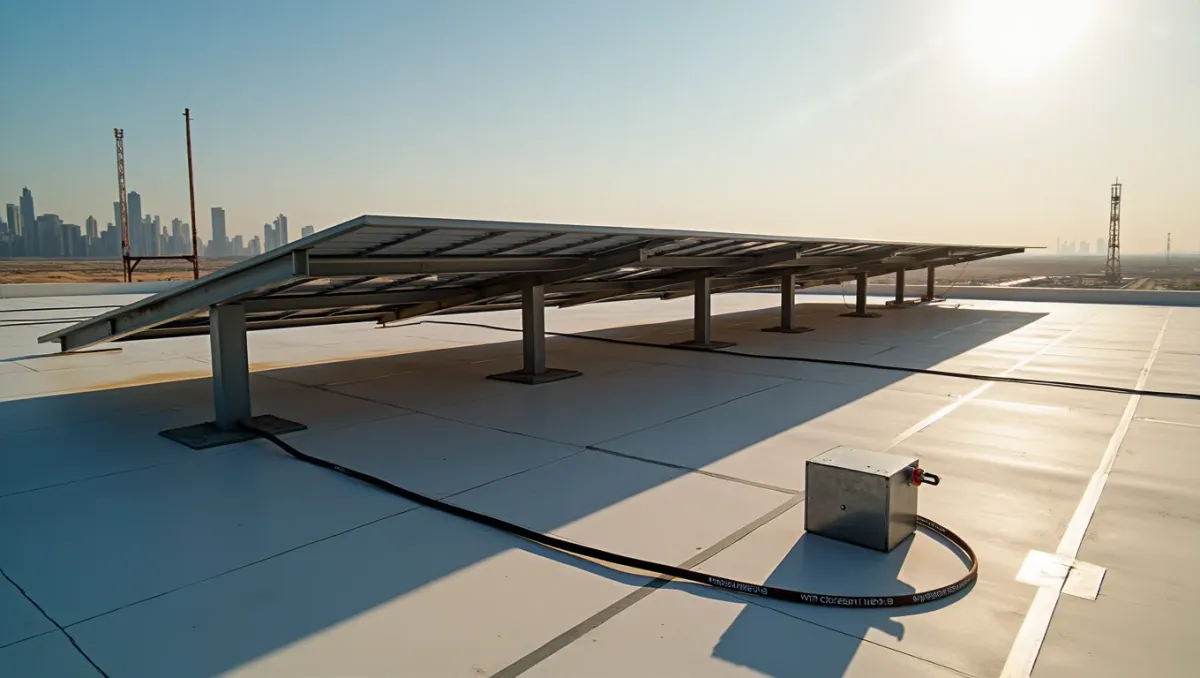
As the Arabian Peninsula continues its ambitious journey toward economic diversification and global leadership, one resource stands out as both critical and boundless: the sun. For generations, the energy landscape of the Gulf was defined by hydrocarbon reserves—a strength that built modern nations like Saudi Arabia, the UAE, Kuwait, Qatar, Oman, and Bahrain. But to achieve true, sustainable prosperity in line with **Vision 2030** strategies across these countries, a pivotal shift is underway. The goal is no longer just maximizing oil output; it is fundamentally about building robust, resilient, and localized energy systems.
This transition—from being solely an exporter of fossil fuels to becoming a global hub for clean, sustainable power—is arguably the most significant economic pivot in modern history. It requires understanding not just panels and batteries, but policies, partnerships, and the sheer potential locked beneath our vast rooftops and deserts.
Beyond Oil: Why Energy Diversification is Central to Vision 2030's Economic Strategy
To appreciate the scale of this energy transition, we must first understand its foundational 'why.' For decades, the economies of the Gulf Cooperation Council (GCC) were built upon the global demand for oil and gas. While this foundation provided immense wealth, it also created an inherent economic vulnerability: dependency on a single commodity whose value fluctuates with global market forces.
Energy diversification, therefore, is not merely an environmental choice; it is a core pillar of economic security and risk management. Think of your nation's economy like a large, highly successful family business—relying too heavily on one income stream (oil) leaves you exposed if that single source dries up or changes rapidly. **Vision 2030** aims to diversify the 'income streams,' ensuring that growth is sustainable, localized, and resilient against global shocks.
This pivot means transforming energy consumption from a commodity primarily for export into a sophisticated, localized industrial sector—a strategic shift designed to create high-value jobs, attract foreign direct investment (FDI), and stimulate manufacturing right here on the Arabian Peninsula, particularly in industrial cities like Jubail and KAEC. The potential is staggering; the sheer solar irradiation across the Arabian Gulf region gives us an unparalleled resource advantage that places our nations at the center of the next global energy revolution.
Furthermore, this diversification effort includes advanced technologies like Carbon Capture, Utilization, and Storage (CCUS). CCUS refers to a set of techniques designed to capture carbon dioxide emissions from industrial sources (like power plants) before they enter the atmosphere. Instead of letting them escape, these captured gases are then either used for other processes or stored safely underground. By adopting such technologies alongside renewables, nations are not just reducing emissions; they are building global expertise in climate mitigation, positioning themselves as leaders in a net-zero world.
The Pillars of Renewable Adoption: Solar, Wind, and the Hydrogen Economy in the GCC
When discussing the energy mix powering this future, three key technologies stand at the forefront: solar photovoltaics (PV), wind power, and green hydrogen. Each plays a distinct role that collectively builds an unmatched energy portfolio.
- Solar Photovoltaics (PV): Solar PV is perhaps the most visible and rapidly deployed technology. It involves using semiconductor materials to convert sunlight directly into electricity. When we talk about solar capacity, we are talking about vast installations—from sprawling desert farms in the Eastern Province to massive arrays topping industrial facilities. The high irradiance potential across our latitudes provides an exceptional resource advantage, making it ideal for the region's infrastructure even amidst summer peaks of 50°C or intense haboob storms.
- Wind Energy: Wind turbines convert the kinetic energy of moving air into electricity. While sometimes viewed as complementary to solar (as wind patterns vary by time and location), large-scale offshore and onshore wind farms are crucial for smoothing out energy supply, especially during periods when the sun isn't shining at its peak.
- Green Hydrogen: This is the future’s powerhouse. Green hydrogen is produced through an electrolysis process, which uses renewable electricity (like that generated by solar or wind) to split water molecules (H_2O) back into their elemental components—hydrogen gas (H2) and oxygen gas (O2). Because its production relies entirely on clean sources, it emits zero carbon when used. This makes hydrogen a critical 'clean fuel' for hard-to-decarbonize sectors, such as heavy industry or long-haul transport across the Arabian Peninsula.
The convergence of these three pillars is creating energy systems that are not merely replacements for old technology, but entirely new ecosystems built around clean electrons and molecules.
Policy Mechanisms Driving Investment: Understanding PPAs and Regulatory Support for Renewables
A magnificent resource like the sun requires an equally sophisticated policy framework to be fully utilized. Simply having solar panels is not enough; the rules of engagement—the policies, regulations, and financial agreements—are what unlock the massive investments required.
For commercial buyers and institutional investors, two concepts are paramount: Power Purchase Agreements (PPAs) and regulatory incentives.
Power Purchase Agreement (PPA): Think of a PPA as a long-term contract between an energy producer (the solar farm owner) and the buyer (the utility or large industrial consumer). In simple terms, it is a binding agreement where the buyer promises to purchase electricity from the producer at a fixed rate for a set number of years. This guarantee of consistent revenue stream is what de-risks the investment entirely. Without clear, government-backed PPAs, private capital would hesitate to fund multi-billion dollar projects.
The governments across the GCC are addressing this by creating highly structured procurement mechanisms. For example, national strategies have set ambitious goals—such as sourcing a significant percentage of power from renewables by 2030. These commitments send an unmistakable signal to the global market: "This sector is stable, growing, and requires investment."
Beyond PPAs, regulatory support takes the form of streamlining approvals, establishing dedicated industrial zones for clean energy manufacturing (like those near Riyadh or Jeddah), and creating supportive financial instruments. By doing this, governments are not just building power plants; they are building reliable, attractive markets that encourage private sector participation in every step of the value chain.
The Future Grid: How Mega-Projects and Policy Are Reshaping Industrial Energy Consumption
The sheer scale of the transition is best illustrated by the mega-projects being developed across the region. These are not just large buildings; they are massive policy accelerators that redefine what's possible in modern infrastructure.
Such developments exemplify this shift. This is where grid modernization comes into play. The traditional electrical grid was designed for a one-way flow: from large central power plants to consumers. The future grid must handle bidirectional flow—meaning power generated on a remote industrial site (like a massive solar farm) can feed back into the local network, and that same grid must be smart enough to manage intermittent sources like wind or sun.
To manage this complexity, sophisticated components are necessary. For instance, battery energy storage systems (BESS) are massive banks of batteries installed at strategic points on the grid. Their function is simple but vital: they store excess electricity generated during peak sunshine hours and then release it when demand suddenly spikes or when the sun sets. This ensures consistent power, which is critical for industries that cannot afford even a momentary dip in supply.
This integrated approach—combining massive solar capacity, robust battery backup, and green hydrogen infrastructure—is transforming industrial consumption. The goal is making every major industrial operation, whether it’s a desalination plant or a manufacturing hub in the Eastern Province, self-sufficiently powered by localized renewables, thereby increasing energy security immensely.
What This Means For You
For the policymaker setting national goals, this represents an unparalleled opportunity to leapfrog traditional development stages and build a modern, sustainable industrial base. The clear pathway is established: massive investment in grid infrastructure, supportive PPA frameworks, and aggressive adoption targets (like sourcing 50% of power from renewables by 2030) de-risk the entire market.
For the commercial buyer or large industrial consumer, the message is one of unprecedented opportunity. The shift means guaranteed access to a predictable, localized source of high-quality energy that is insulated from global fossil fuel price volatility—a stability premium unmatched in recent history. It also presents an opportunity to future-proof operations by integrating clean energy solutions directly into your core infrastructure.
This transition isn't just about reducing carbon; it’s about building a more resilient, self-sufficient economy capable of meeting the demands of the 21st century while preserving the natural beauty and resources of the Arabian Peninsula. The scale and commitment—evidenced by billion-dollar investment plans in renewable energy sectors—underscore that this is not just a trend; it is the new economic mandate.
Next Steps Toward Energy Resilience
The journey toward becoming a global clean energy powerhouse requires collective action. Here are three simple steps you can take to better understand and contribute to this powerful transition:
- Assess Local Potential: Start by understanding the solar irradiation data for your specific location across the GCC. Understanding local resources is the first step toward planning efficient, sustainable energy use.
- Examine Energy Contracts: When considering large-scale power needs, research the structure and stability of Power Purchase Agreements (PPAs). A well-structured PPA confirms long-term energy security for your operations. For residential consumers, check local programs offered by utility providers.
- Investigate Storage Options: Look beyond simple solar panel installation. Ask about integrating battery energy storage systems (BESS) into any new or existing infrastructure plan to ensure uninterrupted power, even when the sun sets or the wind stills.
Related articles
- IRENA Issues Call for Renewable Energy Acceleration
- Understanding Saudi Green Initiative Targets for a Sustainable Future
- Understanding the Saudi Green Initiative Vision 2030 for Industrial Growth
- Achieving the Highest Level of LEED Certification in the Gulf
- Decoding Your Drive: A Guide to Choosing the Best EV Charging Network in the Arabian Gulf
Explore topics: Renewable Energy, Vision 2030, Solar Panels, Saudi Arabia
The information in this article is for educational purposes only. Always verify specifications, availability, and suitability with a qualified supplier or engineer before making purchasing or installation decisions.



