
Understanding the 3 Types of Solar Installation
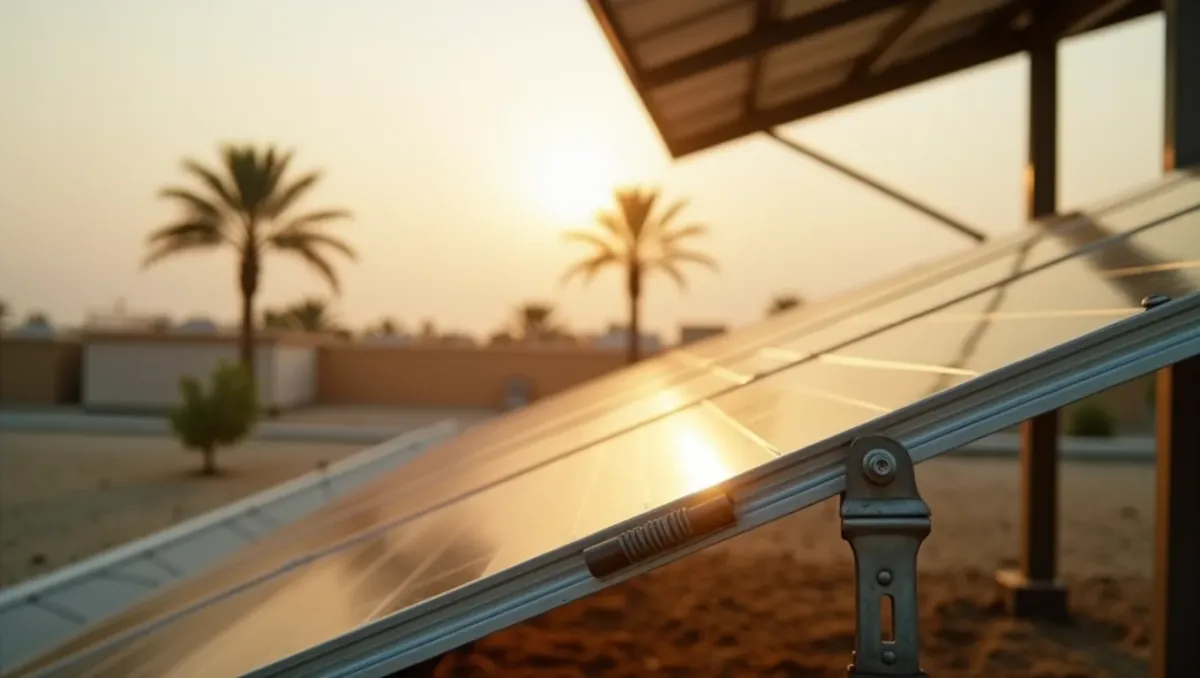
If you have ever stood on your villa balcony during a scorching summer afternoon with temperatures exceeding 45°C, you know how much energy it takes to keep your home cool. In the Arabian Gulf, the demand for air conditioning is immense, and as we look toward a more sustainable future—driven by regional initiatives like Saudi Vision 2030—many homeowners are asking: "How do I actually connect my roof to the power of the sun?"
The first thing to understand is that not every solar setup works the same way. To navigate your options, it is essential to understand the 3 types of solar installation available today: Grid-Tied, Off-Grid, and Hybrid. Each serves a specific purpose based on where you live in the GCC, how much independence you desire, and how you want to manage your consumption.
Before we dive into the specifics, let's clarify a technical term: Photovoltaics (or PV). This is simply the process of converting sunlight directly into electricity using solar panels. Think of these panels as "harvesters" that catch the sun’s rays—benefiting from some of the highest irradiance levels in the world, averaging 5.5-6.5 kWh/m²/day in KSA—and turn them into raw energy. However, this raw energy needs to be managed by an inverter—the "translator" mentioned in our mission to make solar accessible. Depending on how that translator interacts with your local utility provider (such as SEC in Saudi Arabia or DEWA in the UAE), your system will fall into one of the three categories below.
Grid-Tied Systems: Connecting to the Local Power Grid
A Grid-Tied system is the most common configuration for urban residences in cities like Riyadh, Dubai, Muscat, or Doha. In this setup, your solar panels are connected directly to the local electricity grid. Think of it as a two-way street: during the day, when your panels produce an abundance of power, any excess energy flows back into the grid. At night, or during periods of heavy dust and low visibility, you pull power from the grid as usual.
This setup often utilizes a concept called net metering. This is essentially a "balancing act" where the utility company tracks how much energy you give them versus how much you take. For example, if your solar panels produce a surplus during the peak sun hours of the afternoon, that credit can offset the amount you use at night to power heavy cooling loads. It allows you to use the grid as a massive, invisible battery.
For many homeowners, this is the primary way to lower monthly bills caused by high-demand summer peaks. Because you are still connected to the main lines, you don't need to maintain large amounts of local storage to keep your lights on. However, because it relies on a constant connection to the utility, these systems typically shut down automatically during a grid outage for safety reasons. It is a reliable way to reduce consumption in areas where infrastructure is well-established.
Off-Grid Solutions: Independence for Remote Locations
While the city villa thrives on the grid, there are parts of our vast landscape that aren't served by traditional power lines. Perhaps you have a remote agricultural site in rural Oman or a private farm in the heart of the Saudi interior. In these cases, an Off-Grid system is the hero of the story.
An Off-Grid system is completely independent. It does not connect to any utility provider; instead, it relies entirely on its own generation and storage. To make this work, the system must include a significant battery bank. This is where you might wonder, how does battery storage work with solar? Simply put, the batteries act as a reservoir. During the day, the sun fills the "tank," and at night, your home draws from that stored reserve.
These systems are perfect for high-autonomy needs. If you are looking into how to make solar irrigation working model projects for remote crops or date farms, an off-grid setup ensures that water pumps keep running regardless of where the nearest power line is located. Because these systems stand alone, they require robust components to ensure reliability in isolated environments and harsh desert conditions.
Hybrid Systems: The Best of Both Worlds for Gulf Residences
If Grid-Tied is a "partnership" and Off-Grid is "independence," then a Hybrid system is the "best of both worlds." A Hybrid system connects to the utility grid but also includes a battery storage component. This is becoming increasingly popular across the GCC because it provides a safety net against unexpected power interruptions while still allowing for smart energy management.
In our region, where summer heat can be intense and peak demand is high, a Hybrid system allows for "peak shaving." This means you can use your stored solar energy during the times of day when electricity demand is highest (and often most expensive), rather than pulling everything from the grid. Additionally, if there is a local power outage, the battery kicks in instantly to keep your essential appliances running.
For many homeowners, this provides peace of mind. You can still participate in net metering programs while having the security of a backup. It’s a sophisticated way to manage a home's energy profile. When considering these systems, some people also look into related technologies like different types of wind turbines and their advantages for mixed-source power, but in our specific coastal and desert environment, solar remains the primary powerhouse.
| Feature | Grid-Tied | Off-Grid | Hybrid |
|---|---|---|---|
| Grid Connection | Connected | Disconnected | Connected |
| Battery Storage | No (Usually) | Yes (Required) | Yes (Optional/Recommended) |
| Best For | Urban Homes/Villas | Remote Farms/Sites | Resilient Urban Living |
| Main Benefit | Lowering Bill Costs | Complete Independence | Backup & Peak Shaving |
Choosing the Right System for Your Property in the GCC
With three distinct paths available, how do you decide which one fits your specific property? The answer usually lies in your location and your goals.
The Urban Villa: If you live in a city like Riyadh or Dubai, a Grid-Tied system is often the most logical starting point to reduce your monthly utility bill. However, if you want the security of power during rare grid fluctuations or want to maximize self-consumption, a Hybrid system is an excellent investment for your home's infrastructure.
The Rural Estate: If you own land in rural KSA or Oman and are looking at how to make solar irrigation working model projects feasible for crops, an Off-Grid system is the standard. It ensures that your pumps and lights work even when miles away from the nearest city.
Regardless of which system you choose, maintenance is key to ensuring longevity in our environment. For instance, many owners ask what is best for cleaning solar panels; in our region, it is often a combination of regular dry brushing to just remove fine desert sand and occasional water rinsing to clear salt and grime from coastal air. Even if you are just curious about how to clean solar lights with vinegar or exploring what is energy saving mode on ac units to lower your load, the core principle remains: efficient management of your energy source leads to a more sustainable home.
To ensure your system performs at its peak, it is often helpful to start with a professional assessment. Many homeowners find that knowing what does an energy audit consist of helps them understand exactly how much power they need before they ever install a single panel. By understanding your "load"—the amount of electricity your home consumes—you can size your system perfectly for your needs.
As the region moves toward higher adoption of renewable energy, choosing the right configuration is the first step in securing your home's energy future. Whether you want to be a pioneer of independence or a smart consumer on the grid, there is a solar path designed specifically for your lifestyle.
What This Means For You
Choosing a system isn't just about "buying panels"; it's about choosing how you want to interact with power. If you live in a city and want to lower your bills, look at Grid-Tied or Hybrid. If you are building something remote, Off-Grid is your path. Understanding these differences now ensures that your investment serves your specific needs for years to come.
\n
- Identify your location: Determine if you have reliable access to the utility grid or if you require a standalone power source.
- Perform an Energy Audit: Understand your peak usage times—especially during the summer months—to determine how much solar generation and storage you need.
- Consult with a local expert: Discuss these three types (Grid-Tied, Off-Grid, and Hybrid) with a technician to see which one aligns with your property's specific infrastructure.
Related articles
- Finding Professional Solar Cleaning Services Near Me in the Arabian Gulf
- Unlocking the Arabian Wind: A Strategic Guide to Utility-Scale Wind Investment Across the GCC
- Understanding Solar Energy Materials and Cells: A Guide for Every Homeowner in the Kingdom
- best off-grid solar system for home
- Your Guide to Solar Power: Understanding Utility Providers and Taking Control of Your Home Energy in KSA
Explore topics: Saudi Arabia, Gcc, Solar Panels, Batteries
The information in this article is for educational purposes only. Always verify specifications, availability, and suitability with a qualified supplier or engineer before making purchasing or installation decisions.



