
best off-grid solar system for home
What is an Off-Grid Solar System? Understanding Independence
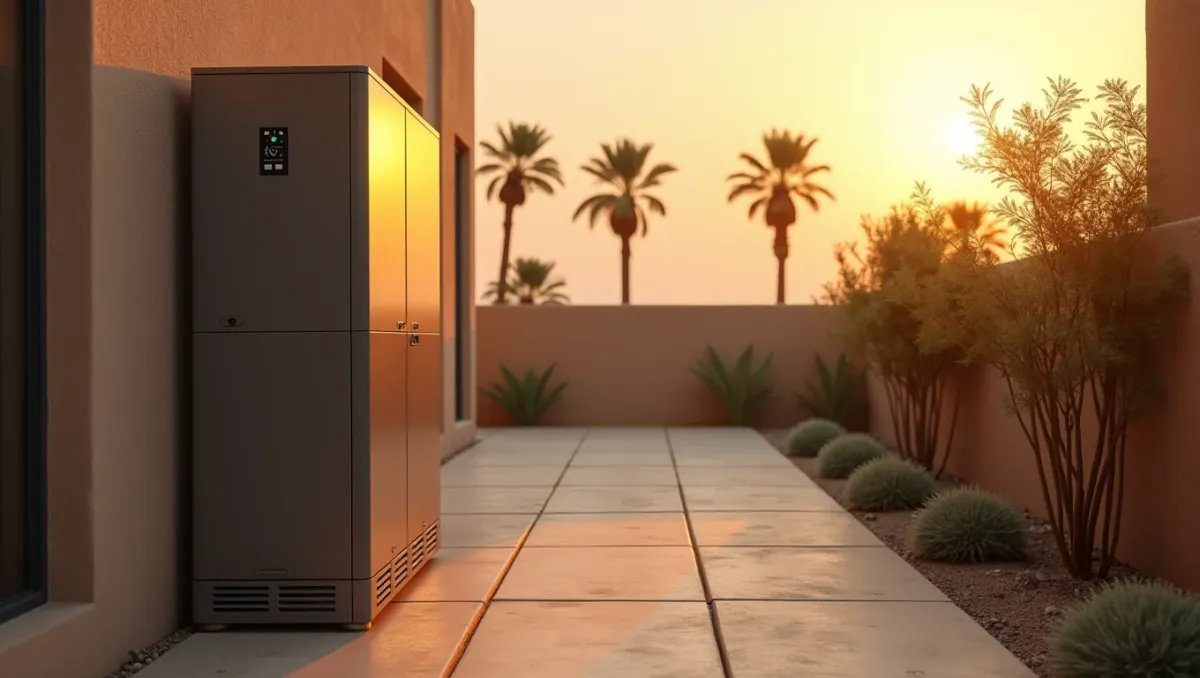
Imagine living in a serene desert villa where the only thing you hear is the gentle hum of your air conditioning and the breeze across your courtyard. For many homeowners in the Arabian Gulf, this dream of seclusion is often balanced against the practical need for reliable power. In our region, an off-grid solar system is more than just a modern technology choice; it is a declaration of independence.
An off-grid solar system is a standalone power setup that operates entirely independently from the national electricity grid. Unlike "grid-tied" systems—which are connected to utility lines and often involve complex agreements for selling power back to the city—an off-grid system creates its own self-sustaining ecosystem. Think of it as your own private power plant on your roof or in your backyard. This is particularly valuable for remote desert villas, agricultural sites like date farms, or locations where connecting to the main grid is not an economical option.
In the context of our region, these systems are becoming increasingly popular because they provide total autonomy. Whether you are looking for a reliable solution for a site that suffers from unstable power supply, or you simply want to be untethered from traditional utility infrastructure, off-grid technology provides the freedom to generate, store, and use your own clean energy. As storage technologies advance, these systems have moved from niche applications to viable primary power sources for private residences across Saudi Arabia, the UAE, Kuwait, Qatar, Oman, and Bahrain.
Core Components: Inverters, Batteries, and Panels for the Gulf Home
To understand how an off-grid system functions, it helps to look at the three "pillars" that make it work. Each component plays a specific role in ensuring your home stays cool and your lights stay on when the sun sets.
First, we have the Photovoltaic (PV) panels. These are the large, flat modules installed on your roof or on ground mounts. Their job is to capture sunlight and convert it into Direct Current (DC) electricity. In our region, these must be engineered to withstand intense UV radiation and extreme ambient temperatures often exceeding 45°C. Think of the panels as the "harvesters" of the system; they gather the raw energy from the sun, which in countries like Saudi Arabia, can reach high irradiance levels of 5.5-6.5 kWh/m²/day.
Next comes the inverter. This is perhaps the most critical piece of "translation" in your home's energy journey. Solar panels produce DC electricity, but the appliances we use—like refrigerators, TVs, and AC units—run on Alternating Current (AC). Think of your solar inverter like the translator between your panels and your home; without it, all that energy the sun provides would simply have nowhere useful to go. In our extreme heat, choosing an inverter with high-quality internal cooling is essential to ensure it doesn't overheat while converting power during peak summer afternoons.
Finally, we have the battery bank. Since the sun does not shine at night and clouds can pass over during the day, batteries act as your "storage tank." They hold onto the excess energy collected during the day so you can use it at night. When looking for the best solar UPS battery (Uninterruptible Power Supply) options for an off-grid setup, the goal is to find a system that provides a consistent and steady flow of power regardless of the time of day.
Sizing Your System: Managing High Cooling Loads in Desert Climates
One of the most common questions I receive from homeowners is: "How big does my system need to be?" In the Arabian Gulf, the answer depends heavily on one thing: cooling. Because our summers are intense, with temperatures frequently peaking at 50°C, the primary consumer of electricity in a home is almost always the air conditioning unit. To find the best energy saving temp for AC while maintaining comfort, many homeowners choose to size their solar arrays specifically to handle these heavy "cooling loads."
When sizing an off-grid system, we don't just look at how much power you want to use today; we look at your peak demand. Peak demand is the maximum amount of electricity your home needs at any one single moment—usually in the late afternoon when the outdoor temperature is high and everyone is home. If your system is too small, your AC might struggle or shut off during these critical hours. By calculating your total daily consumption in kilowatt-hours (kWh) and comparing it to the amount of sunlight available in your specific location, we can determine the number of panels needed.
For example, a villa in a remote area may require a much larger array than an urban home because it must provide enough power to run multiple AC units simultaneously. It is also wise to consider "oversizing" your solar array slightly. This ensures that even on hazy days or during periods of significant dust and sand, you still produce enough energy to meet your basic needs. Designing for the worst-case scenario—the hottest day of the year—is the best way to ensure your comfort remains uninterrupted.
Battery Technology Comparison: Choosing Longevity for Extreme Heat
When it comes to storing energy in our region, the chemistry of the battery is vital. Over the years, we have seen a massive shift in how people store power, and understanding these differences helps you choose the right path for your home.
For many years, Lead-Acid batteries were the standard. These are similar to the car batteries used in vehicles. While they are well-understood technology, they have limitations in our climate. They are sensitive to heat, which can degrade their lifespan quickly, and they generally shouldn't be discharged below 50% of their capacity if you want them to last a long period of time. They are often used in hybrid systems but may not be the ideal choice for a primary off-grid storage bank in the desert.
The modern alternative is Lithium Iron Phosphate (LiFePO4). These batteries have become a game-changer for Gulf homeowners. LiFePO4 chemistry is much more stable in high temperatures and can be discharged much more deeply without damaging the internal components. They also have a significantly longer cycle life—meaning they can be charged and discharged thousands of times before needing replacement. When searching for the best solar UPS review, you will often see these lithium options praised for their durability in extreme environments.
Choosing LiFePO4 is often about long-term reliability. In our heat, a robust battery system ensures that your home remains powered through the night without the risk of premature failure. It provides peace of mind that your investment will stand up to the local environment for years to come.
Maintenance and Durability in the Arabian Peninsula
A common misconception is that once a solar system is installed, it requires zero attention. While solar panels have no moving parts, our unique environment—specifically dust and sand—requires a proactive approach to maintenance. In the Gulf, dust accumulation can significantly reduce the efficiency of your PV panels by blocking sunlight. Think of it like a layer of dust on a window; the less light that gets through, the less power you produce.
To combat this, a regular cleaning cycle is necessary. Periodically washing away the fine desert dust ensures your system continues to operate at peak performance. Additionally, because our ambient temperatures can be extreme, it is vital to ensure that all electrical components, especially inverters and battery housing, have adequate ventilation or specialized cooling systems. This prevents "thermal throttling," where a device slows down its performance to protect itself from overheating.
Durability is also a factor in your choice of hardware. Components must be rated for high-temperature operation to ensure they don't degrade prematurely under the Gulf sun. When you look at the broader landscape—from industrial sites in cities like Jubail or the commercial districts of Dubai—it becomes clear that success in our region depends on choosing systems built specifically to withstand our environment.
While some might wonder about the role of other sources, such as the best wind farms or if there are better wind energy companies to work for in the region, it is important to note that in most of the Arabian Peninsula, solar remains the most viable and consistent primary source for residential off-grid power. Solar provides a direct and reliable way to harness the very thing our desert offers in abundance: sunlight.
Whether you are looking into general energy saving technology or seeking a professional energy auditor to assess your current consumption, the move toward solar independence is a path toward sustainability and security. By focusing on high-quality components, appropriate sizing for cooling loads, and a proactive maintenance plan, you can create a home that is powered by the sun, regardless of where it sits in the landscape.
What This Means For You
If you are considering an off-grid system, your first priority should be understanding your "base load"—the amount of power your home uses just to stay running (lights, fridge, standby electronics) versus your "peak load" (the heavy lifting done by air conditioners). In our climate, the gap between these can be significant. Your system must be sized for the peak. Secondly, prioritize battery chemistry that thrives in heat; lithium iron phosphate is currently the gold standard for longevity in the Gulf. Finally, plan for maintenance as part of your lifestyle—a simple regular cleaning schedule can mean the difference between a system that barely keeps you cool and one that provides an abundance of power.
- Conduct a "load audit" of your home to identify exactly how many air conditioning units and appliances will be running during the hottest parts of the day.
- Consult with a specialist to determine the specific number of panels required to cover both your daily consumption and your peak cooling requirements.
- Select high-temperature rated inverters and LiFePO4 batteries to ensure your system remains durable against local heat and dust conditions.
Related articles
- Unlocking the Arabian Wind: A Strategic Guide to Utility-Scale Wind Investment Across the GCC
- Your Guide to Solar Power: Understanding Utility Providers and Taking Control of Your Home Energy in KSA
- Understanding the 3 Types of Solar Installation
- Understanding Solar Energy Materials and Cells: A Guide for Every Homeowner in the Kingdom
- Finding Professional Solar Cleaning Services Near Me in the Arabian Gulf
Explore topics: Best Off Grid Solar System For Home, Gulf, Renewable Energy
The information in this article is for educational purposes only. Always verify specifications, availability, and suitability with a qualified supplier or engineer before making purchasing or installation decisions.



