
Solar Energy in Saudi Arabia by 2030: The Vision and the Opportunity
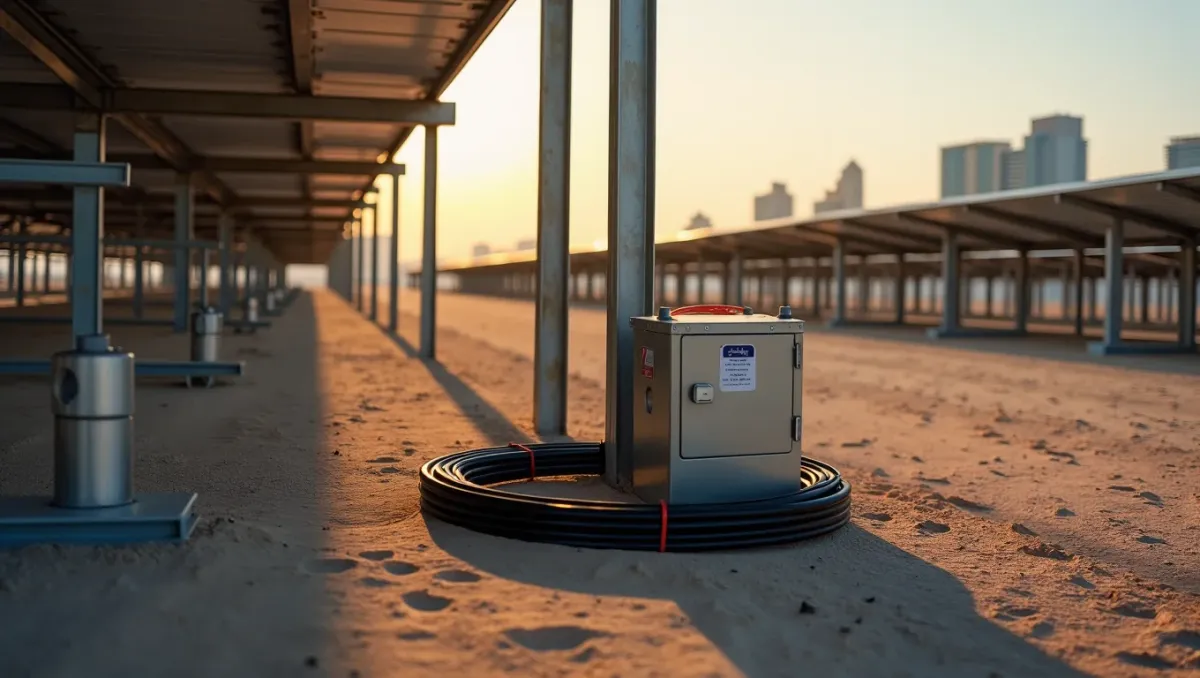
If you live here in the Gulf, particularly in residential compounds or commercial districts of Riyadh or Jeddah, you understand something instinctively: power is precious. We are surrounded by vast deserts and endless sunshine—a natural gift that has historically underpinned our prosperity. But as the world moves into a new era of energy usage, reliance on any single source becomes riskier. This shift toward solar energy in Saudi Arabia 2030 is not just an environmental trend; it is a monumental economic imperative driven by national vision.
For those unfamiliar with the policy landscape, understanding Saudi Vision 2030 is key to unlocking the future of solar power here. At its core, Vision 2030 represents a comprehensive blueprint for transforming the Kingdom’s economy and society over the coming decade. It’s about ensuring that the nation's prosperity is not solely dependent on oil revenue.
Think of energy sources like different types of income streams for a large family budget. Historically, the main stream was oil. While incredibly valuable, relying exclusively on one source makes the entire household vulnerable if that single source declines or faces geopolitical headwinds. Vision 2030 mandates diversification—it requires building robust, multiple pillars of economic support.
This mandate directly translates into a massive push for energy diversification. The goal is to build an economy resilient enough to withstand global fluctuations and provide high quality of life for its citizens long into the future. Solar power fits perfectly into this strategy because it offers a reliable, domestically sourced, and continually replenishing resource. It allows Saudi Arabia to move toward what we call energy independence—a status where domestic energy needs are met by local resources, rather than being tied to global commodity markets.
The commitment is so profound that it involves massive investments in infrastructure designed not just to generate power, but to modernize the entire grid. This means moving away from older, centralized power systems toward more flexible, distributed networks that can handle power coming from many different points—from giant solar farms miles away, and right from your own villa rooftop.
Why Solar is Central to KSA’s Future Grid: Tapping the Power of the Sun
When we talk about solar energy in Saudi Arabia, we are talking about tapping into one of the most powerful natural assets on Earth. We don't just have sunshine; we have some of the highest and most predictable levels of solar radiation globally.
To understand this technical advantage, let’s look at a specific term: Direct Normal Irradiance (DNI). Don't worry about the jargon—think of DNI as the purest measure of sunlight hitting a surface directly, without being scattered or diffused by clouds. In regions with high DNI, like much of the Arabian Peninsula, the sun shines intensely and reliably, even when facing challenges like fine desert sand or saline coastal air.
This natural endowment makes Saudi Arabia an unparalleled location for developing large-scale PV plants. These utility-scale facilities are designed to convert sunlight directly into electricity efficiently. When you see news reports about gigawatt-scale solar projects, you are seeing the physical manifestation of this national commitment—harnessing that intense DNI potential.
But how does all this technical excellence translate into real-world power? It involves sophisticated equipment. Think of your solar inverter like the translator between your panels and your home—without it, all that energy the sun provides would simply have nowhere useful to go. The inverter takes the raw Direct Current (DC) electricity generated by the panels and converts it into Alternating Current (AC), which is the type of power used by almost every appliance in your villa.
Furthermore, the push for solar resilience means that we are rapidly adopting energy storage solutions. The most common form of these are batteries. Since the sun doesn't shine at night—or during a sudden haboob storm—we need to store excess power generated during peak hours (like midday) so it can be used later. These advanced battery systems are crucial for maintaining stability, especially as we integrate more intermittent sources like solar into the main grid.
Deployment Scope: From Mega-Projects to Residential Rooftops by 2030
The scope of change mandated by Vision 2030 is not limited to building giant power plants in remote deserts. The transition is holistic, meaning it will impact every level of consumption—from the biggest industrial complex in Jubail or KAEC to the smallest private residence.
We can differentiate this deployment into three main areas:
- Utility-Scale Projects (The Mega-Plants): These are the massive solar farms we hear about. They generate power for entire cities or industrial zones. Their purpose is to provide the backbone of clean, reliable electricity for the national grid. These plants require vast amounts of land and sophisticated transmission lines, ensuring that large volumes of energy can be moved from generation sites to population centers.
- Commercial & Industrial (C&I) Adoption: This refers to businesses—factories, malls, office towers, and industrial parks. For these commercial entities, adopting solar power offers immediate operational savings and enhances their own sustainability profile. Many large industries are starting to build localized microgrids. A microgrid is essentially a small, self-contained electrical network that can operate independently of the main grid if necessary. Think of it like having a backup generator system, but powered by solar and batteries, ensuring the factory stays running even if the larger city grid has an outage.
- Residential Integration (The Villa Rooftop): This is where the change feels most personal. Homeowners will increasingly generate a portion of their own electricity directly on their villa rooftops. These systems are designed to supplement, or sometimes even fully power, a home's needs. The energy generated locally is used immediately, and any excess can be fed back into the local grid (a process known as net metering through SEC programs).
This tiered approach—from mega-projects powering the backbone, to C&I ensuring business continuity, and residential systems achieving personal energy independence—creates a robust and resilient power ecosystem. It means that if one part of the system falters, others can compensate, greatly enhancing overall stability.
Opportunities for Homeowners: Maximizing Your Solar Potential
For the average homeowner or business owner living here, the policy shifts and massive infrastructure projects might sound abstract. But when you translate these macro concepts into your daily life, the benefits are profound, touching on everything from pocketbooks to national security.
Firstly, there is the undeniable benefit of economic resilience. By reducing reliance on imported fossil fuels for electricity generation, Saudi Arabia insulates its citizens and businesses from volatile global commodity pricing. This stability helps maintain a high quality of life for everyone.
Secondly, consider the impact of energy independence on your daily comfort. The increased use of microgrids and localized rooftop solar means that power outages—a significant worry during extreme summer heat or sudden haboob storms—are less likely to cause prolonged disruptions. Your compound becomes more self-sufficient.
Thirdly, there is the opportunity for participation. As the grid modernizes, homeowners are not just passive consumers; they become active participants in the energy system. By installing solar and using smart meters (devices that measure your energy usage digitally), you can manage consumption, optimize when you run high-draw appliances like air conditioning, and even benefit financially from selling excess power back to the SEC grid.
The transition is about empowering every citizen with a greater understanding of where their power comes from. It shifts the conversation from simply paying a monthly utility bill to investing in sustainable, locally generated energy assets that improve the value and longevity of your property.
Practical Takeaways for Homeowners
Navigating this transition can seem complex, but here are three immediate actions you can take to understand how solar technology fits into modern Gulf living:
- Assess Your Consumption Profile: Before looking at hardware, look at your usage. Understand when and where your compound uses the most power (e.g., peak cooling times). This helps an engineer design a system that meets your needs efficiently.
- Understand Grid Modernization: Learn about the concepts of net metering and microgrids in your area. Knowing how local energy exchange works, especially concerning SEC programs, is crucial for maximizing the financial return on any solar investment.
- Evaluate Rooftop Potential: Treat your villa rooftop like a valuable asset. Understanding its structural integrity, available surface area (measured in square meters, m⊃>2), and optimal orientation is the first step toward successful planning.
Related articles
- Harnessing Renewable Energy: Powering KSA's Vision 2030 Future
- IRENA Issues Call for Renewable Energy Acceleration
- Understanding What Is Electricity: A Beginner's Guide to Power in the GCC
- Decoding Your Drive: A Guide to Choosing the Best EV Charging Network in the Arabian Gulf
- Envisioning Wind Power in Saudi Arabia: A Pillar of Sustainable Energy
Explore topics: Renewable Energy, Saudi Arabia, Vision 2030, Solar Panels
The information in this article is for educational purposes only. Always verify specifications, availability, and suitability with a qualified supplier or engineer before making purchasing or installation decisions.



