
Harnessing the Sun: Your Guide to Renewable Energy Powering a Sustainable Future in the Arabian Gulf
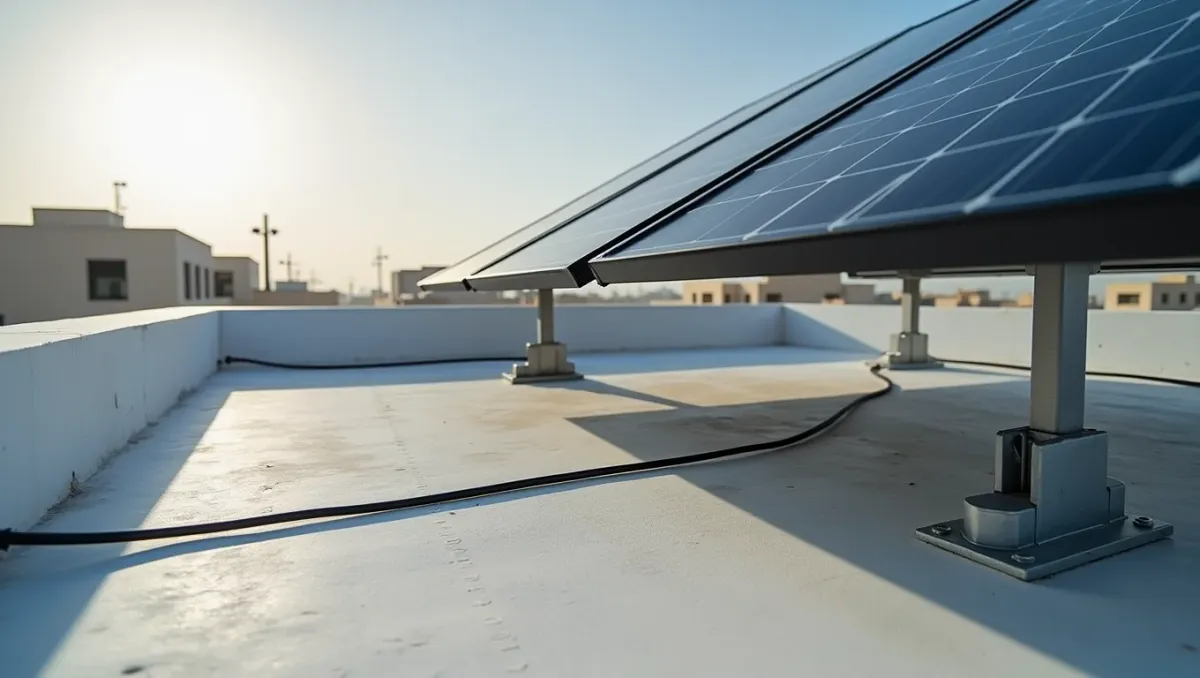
If you live across the Kingdom of Saudi Arabia or the wider GCC, you know what it’s like. You are surrounded by an intense, powerful energy that bathes your compounds and villas every single day—the kind of sunlight that seems endless. This solar power has always been integral to our lives, from powering the air conditioning units beating back summer peaks of 45°C+ to illuminating commercial districts late into the night.
But as our world grows and our industrial ambitions expand—from mega-projects in NEOM to modernizing industrial cities like Jubail—we are becoming increasingly mindful of where all that power comes from. The conversation around renewable energy can sound highly technical, but at its heart, it is a concept that speaks to national independence, grid stability, and preserving the magnificent environment of our home.
Understanding Renewable Energy: A Simple Definition
Simply put, renewable energy refers to any type of power generated from natural resources that are constantly replenished or naturally restored over a short period. Think about it this way: when you use electricity from traditional sources like oil-fired generation, the fuel is finite; once burned, it contributes to resource depletion.
In contrast, renewable sources—such as sunlight, wind, and geothermal heat—are naturally replenished on a human timescale. The sun will keep shining tomorrow just as brightly as it shines today; the wind will continue to blow across our coastal areas; and the Earth’s internal warmth is always there.
To put this into a relatable context: If your current power source is like filling a bathtub with a finite bucket of water, renewable energy is like turning on a continuous, natural tap that never runs dry. This foundational shift in how we think about generating power is the core subject of the energy transition—the global movement toward cleaner, more sustainable sources.
The Pillars of Clean Power: Key Sources (Solar, Wind, etc.)
Fortunately for us in the GCC, we have a whole portfolio of natural power generators, each with unique strengths perfectly suited to our arid and sunny environment.
Solar Photovoltaic (PV) - The Desert Powerhouse
This is arguably the most visible and reliable source across Saudi Arabia. Solar PV involves using specialized panels made of semiconductors to directly capture sunlight and convert it into usable electricity. These systems are ideal for both large-scale utility farms and residential rooftops within your compound.
The sheer amount of solar power available in our region is world-class; the Arabian Gulf possesses some of the highest Direct Normal Irradiance (DNI) levels globally, with average daily irradiance often exceeding 5.5 kWh/m²/day across key areas. This makes solar power an exceptionally viable resource for powering everything from modern villas to large industrial facilities in the Eastern Province.
Wind Energy
Wind turbines capture the kinetic energy (the energy of motion) from moving air masses. While wind generation is highly dependent on local geography, coastal areas and elevated plains can provide consistent power flow. These massive machines generate electricity by spinning a central shaft connected to a generator.
Geothermal Energy
Geothermal energy harnesses the heat naturally generated deep within the Earth’s core. In specific geological areas with accessible hot water or steam reservoirs, drills are used to tap into this reliable source, which drives turbines. This is an incredibly stable form of baseload power because the temperature beneath the ground does not fluctuate with seasonal changes.
Hydropower (Hydro)
Hydropower generates electricity by capturing moving water—typically through dams. Given that our geography across the Arabian Peninsula is overwhelmingly arid, large-scale hydro projects are generally less relevant compared to solar or wind resources.
Comparing Sources: A Practical Analogy
Consider your home’s electricity needs during peak summer months—when air conditioners run non-stop and demand surges. Solar provides incredible daytime energy, like a powerful boost when the sun is highest; wind offers consistent flow, like a steady background hum; and geothermal acts as the reliable foundation, ensuring that even when the sun sets or the winds calm down, the power keeps flowing.
Why Must the GCC Embrace Clean Energy? Security and Stability
The push toward renewables in our region is not merely an environmental ideal; it is a fundamental pillar of economic diversification, national security, and long-term stability. This concept of energy diversification—moving away from reliance on single sources—is critical to the future prosperity of the GCC.
Energy Security and Independence
Historically, many nations have relied heavily on oil and gas for both economic revenue and domestic electricity generation. While these resources are invaluable, they are finite commodities subject to global market volatility or geopolitical risk. Relying too much on one source creates vulnerability.
By integrating solar and wind, we gain energy independence right here in our backyard. We become less susceptible to international supply chain disruptions because the fuel—sunlight and wind—is generated locally. This resilience is paramount for maintaining modern life standards across rapidly developing industrial cities and residential compounds.
This commitment is evident in national visions, such as Saudi Arabia's ambitious plans to source a significant percentage of its power from renewable sources. These massive undertakings are sophisticated engineering strategies ensuring the long-term economic resilience and stability of our nations.
Mitigating Climate Change
The most globally recognized benefit is the reduction of greenhouse gas emissions, particularly carbon dioxide (CO2). When we burn fossil fuels, these gases are released. These gases trap heat, leading to climate change, which manifests here through more extreme weather events and higher ambient temperatures.
Renewable sources generate electricity without burning fuel, meaning they produce virtually zero operational CO2 emissions. This directly contributes to cleaner air for our communities—a vital consideration when managing the dust challenges from haboob storms or coping with saline coastal air—and helps stabilize the delicate balance of our regional climate.
Renewable vs. Fossil Fuels: Making the Case for a Cleaner Future in the GCC
To truly understand the shift, it helps to compare the two energy paradigms side-by-side.
| Feature | Renewable Sources (Solar, Wind) | Fossil Fuels (Oil, Gas, Coal) |
|---|---|---|
| Fuel Source | Naturally replenished (Sunlight, Wind). Infinite on a human timescale. | Finite resources. Once burned, they are gone and take millions of years to reform. |
| Carbon Emissions | Extremely low or zero operational emissions. | High operational emissions of CO2, methane, and other greenhouse gases. |
| Energy Security | Highly localized; the fuel (sun/wind) is generated right here in the Arabian Gulf region. | Requires complex global supply chains and can be subject to geopolitical risk. |
| Environmental Impact | Low operational impact. Requires space for installation (e.g., solar farms). | Significant pollution, air quality issues, and contribution to climate change. |
The comparison is clear. The shift toward renewables represents not just an environmental choice, but a highly calculated economic move that enhances national self-reliance and ensures the sustainability of our high standard of living.
What This Means For You: Residential Integration
For the homeowner in Riyadh or Jeddah, embracing clean power translates into tangible benefits that go far beyond simply "being green."
- Increased Energy Resilience: By generating a portion of your power locally—whether on your villa rooftop or from a nearby utility-scale farm—you are less vulnerable to grid outages and price fluctuations, especially when dealing with peak SEC demand.
- Future-Proofing Your Property: Integrating solar into a modern compound is like upgrading the foundation; it future-proofs your property against rising energy costs and increasing environmental regulations.
- Enhanced Quality of Life: Cleaner air and stable power mean better health for families, reducing strain on resources needed for cooling and daily life.
Start Your Journey Today
While this topic can feel vast, taking the first step to knowledge is the most important part of the energy transition. You don't need to be an expert to benefit from cleaner power; you just need to know where your energy comes from.
- Observe Your Power Usage: Start by identifying when and how much electricity your home uses, particularly during those intense peak summer months when cooling demands are highest. Understanding your baseline usage is step one in making an educated investment decision.
- Explore Rooftop Potential: Take a visual assessment of the unshaded space available on your villa rooftop or surrounding compound property. This gives you a practical idea of your site's potential for solar photovoltaic (PV) generation.
- Talk to Experts: Engage with qualified, local energy consultants. They can provide an accurate evaluation of your area’s specific resource availability and guide you through the technical details of system sizing and integration with local grid standards.
Related articles
- IRENA Issues Call for Renewable Energy Acceleration
- Utility-Scale Solar Farms in the GCC: Planning and Investment Guide
- Achieving the Highest Level of LEED Certification in the Gulf
- Decoding Your Drive: A Guide to Choosing the Best EV Charging Network in the Arabian Gulf
- How to Build a Sustainable City: Strategies for the Arabian Gulf and KSA
Explore topics: Renewable Energy, Solar Panels, Wind, Gcc
The information in this article is for educational purposes only. Always verify specifications, availability, and suitability with a qualified local supplier or engineer before making purchasing or installation decisions.



