
Navigating the Rooftop Solar Application Process in the Gulf
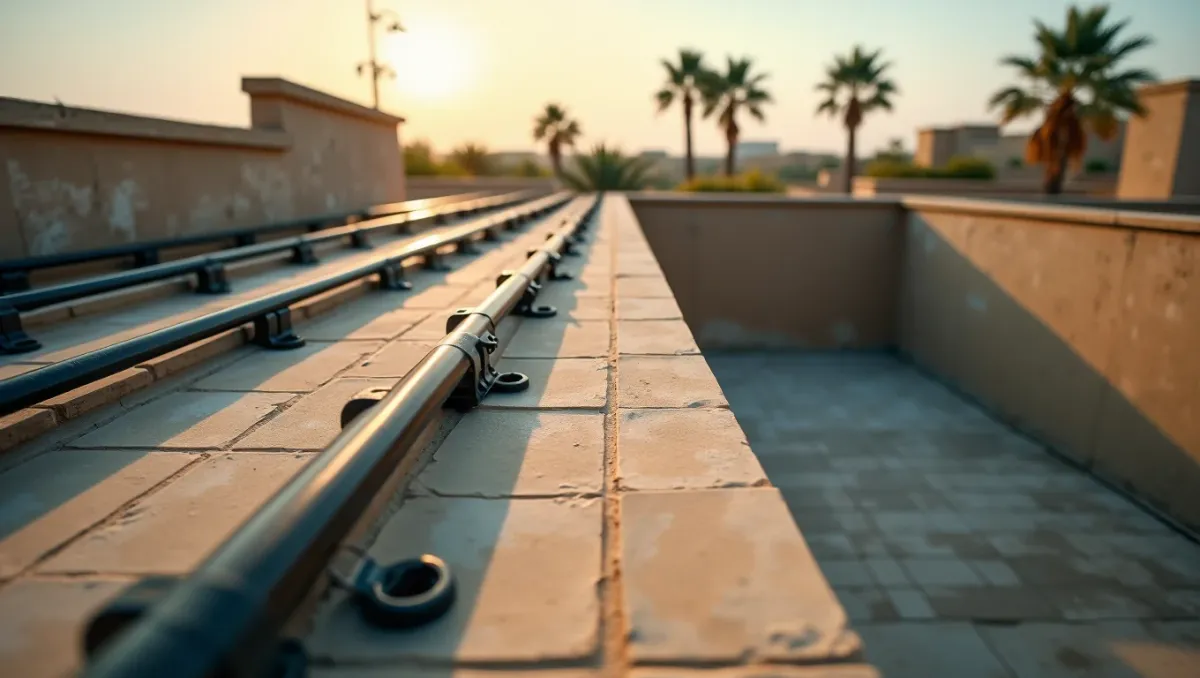
For many homeowners across the GCC, the sight of the intense desert sun is a daily reminder of the immense energy potential available right above our heads. However, transitioning from admiring that sunshine to harvesting it through a rooftop solar application involves navigating a specific set of regional regulations. Every emirate and kingdom in our region has established its own framework to ensure that when you connect your villa or compound to the grid, you are doing so safely and reliably.
Think of these regulations not as hurdles, but as safety nets. They ensure that the electricity flowing into your home is compatible with the regional infrastructure. For example, in the United Arab Emirates, initiatives like 'Shams Dubai' have been instrumental in streamlining the path for homeowners to adopt solar energy. Similarly, in the Kingdom of Saudi Arabia, the Saudi Electricity Company (SEC) provides clear pathways for residential connections. These frameworks are designed to accommodate our unique environment—specifically temperatures that frequently exceed 45°C and the challenges posed by saline coastal air and fine desert sand. Because our climate can be harsh on hardware, regulatory bodies often require specific mounting systems that can withstand extreme heat while maintaining structural integrity.
While you may be curious about other energy technologies, such as EV charging infrastructure or advanced home battery storage, the primary focus for a homeowner is ensuring your specific rooftop setup meets local municipal codes. These codes ensure that your installation won't just work today, but will remain stable through decades of intense Arabian Gulf summers.
Step-by-Step Guide to the Solar Application Process
Starting your journey toward energy independence requires a structured approach. While every municipality has slight variations, the general roadmap for a rooftop solar application follows a consistent logic designed to move you from "interested homeowner" to "solar producer."
- Initial Site Assessment: Before any paperwork is filed, a technical survey of your roof is necessary. This determines if your roof can support the weight of the panels and if there are any shading issues from neighboring buildings or local vegetation.
- Pre-Approval & Design Submission: This is where your plans are reviewed by the utility provider (such as DEWA, ADDC, or SEC). They look at your proposed system size to ensure it aligns with what your home's electrical panel can handle.
- Permit Acquisition: Once the technical design is approved, you must obtain local construction permits. This ensures that your installation complies with civil safety standards for residential and commercial zones.
- Installation & Inspection: After the physical components are installed, a final inspection is conducted by the utility provider to verify that the inverter and the wiring meet all safety codes before the switch is flipped.
- Grid Connection: Once approved, your system is officially integrated into the grid, allowing you to begin producing your own power.
During this journey, many homeowners also look toward storage solutions to manage peak loads. While these are excellent components for a complete energy strategy, the initial application focuses primarily on the connection between your panels and the local utility network.
Key Documentation and Technical Requirements
When you submit a rooftop solar application, the authorities require specific documentation to ensure your home remains safe. Think of these documents as the "passport" for your solar system; they prove that every component is ready to cross the border into the public grid.
The primary documents usually include:
- Site Plans: A detailed layout showing exactly where the panels will sit on your roof. In our region, this must account for optimal angles to catch high solar irradiance while avoiding dust accumulation zones.
- Electrical Diagrams: These are blueprints of the wiring. They show how power flows from the panels, through the inverter (which converts the DC electricity from the panels into AC electricity usable by your home), and finally to your main breaker box.
- Commercial & Civil Permits: Depending on your location, these ensure that the mounting structures are anchored correctly to withstand high winds and environmental stress.
While some homeowners might be researching various types of solar panels for home use, it is vital to focus on the specifications required by your local municipality. For instance, because our region experiences intense heat, documentation must often confirm that all materials are rated for high-temperature environments and are resistant to corrosion from saline air. Understanding the rooftop solar application process early means ensuring these technical specs are met from day one.
Choosing a Certified Installer to Streamline Your Approval
Navigating the bureaucracy of municipal permits and utility requirements can feel overwhelming. This is where the role of a certified installer becomes invaluable. A certified installer acts as your advocate and expert guide through the rooftop solar application maze.
In the Arabian Gulf, not all installers are created equal. A certified installer understands the specific nuances of SEC regulations in KSA or the requirements for a "Shams" approved project in the UAE. They know exactly what the inspectors are looking for in your electrical diagrams and can ensure that your site plan is submitted correctly the first time. By choosing an expert, you reduce the risk of your application being rejected due to minor technical oversights.
Furthermore, a certified installer will ensure that the hardware used—from the mounting rails to the wiring—is compatible with local environmental factors like sand and extreme heat. They handle the "heavy lifting" of paperwork, allowing you to focus on the excitement of reducing your carbon footprint. Instead of worrying about every minor permit, you can trust a professional who has navigated these roads hundreds of times before.
Understanding Net Metering and Grid Interaction in the GCC
Once your system is live, you need to understand how it interacts with the grid. This concept is primarily handled through "Net Metering" or "Net Billing."
Think of Net Metering like a two-way street between your home and the utility company. During the day, when the sun is high and your air conditioning units are working hard to keep the villa cool, your solar panels generate electricity. If you produce more than you use at that moment, the excess is "pushed" back into the grid. In a Net Metering system, your meter essentially runs backward for that excess energy, giving you credits on your monthly bill.
Net Billing is slightly different; instead of a direct swap of units, the utility company pays you a set rate for the electricity you contribute to the grid. Both systems are designed to reward homeowners for their investment in renewable energy. This interaction is crucial because it allows you to manage your energy consumption more intelligently. For example, if you have a home battery storage system, you can choose to store some of that excess daytime energy to use at night when the sun goes down.In countries like Oman, which has unique approaches to cost-reflective tariffs, understanding these grid interactions is key to optimizing your long-term energy strategy. Whether you are looking into a standard connection or exploring how much power you can generate with various types of solar panel for home use, the goal remains the same: a sustainable, reliable flow of clean energy for your household.What This Means For You
For the Gulf homeowner, the transition to solar is more than just a technical upgrade; it is an investment in the future of our region's infrastructure. While the rooftop solar application process involves several layers of documentation and regulatory hurdles, these steps exist to ensure your system is robust enough to handle our unique climate.
By working with certified professionals who understand local regulations—from Saudi Arabia’s growing solar landscape (aligned with Vision 2030) to the established frameworks in the UAE—you can ensure a smooth transition. You don't have to be an expert in electrical engineering or municipal law to get your system running; you just need to partner with those who are.
- Consult a Certified Specialist: Reach out to a local certified installer to conduct a site survey and determine the specific requirements for your municipality.
- Verify Local Incentives: Ask your installer to explain how Net Metering or Net Billing works specifically within your local utility’s jurisdiction (e.g., SEC in KSA).
- Review Technical Specifications: Ensure that all components, especially mounting hardware and inverters, are rated for the high-temperature and high-dust conditions of the Arabian Gulf.
Related articles
- Solar Installation for Home: A Guide to Residential Solar in the Gulf
- Finding Professional Solar Cleaning Services Near Me in the Arabian Gulf
- Finding the Best EV Charging Plans for Your Home in the GCC
- Finding the Best Solar Service Partner in the Arabian Gulf
- Solar Panel Installation in Saudi Arabia: A Comprehensive Guide
Explore topics: Saudi Arabia, Uae, Gcc, Solar Panels
The information in this article is for educational purposes only. Always verify specifications, availability, and suitability with a qualified supplier or engineer before making purchasing or installation decisions.



