
Electric Mobility in Saudi Arabia: A Homeowner’s Guide to EV Charger Installation and Solar Integration
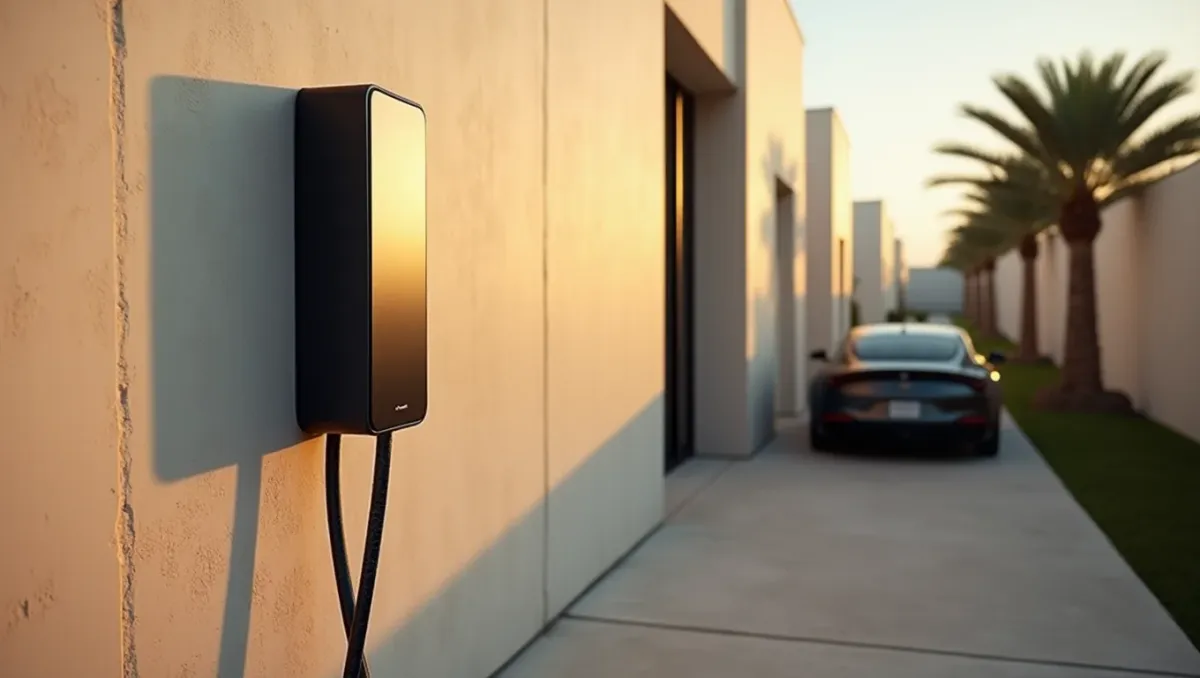
When we discuss energy independence, especially here across the Arabian Peninsula—whether you reside in a sprawling compound in Jeddah or a modern development near the Eastern Province—we are talking about more than just powering your home. We are discussing reliability, self-sufficiency, and how seamlessly our daily lives integrate with the challenging desert environment.
Electric vehicles (EVs) have rapidly moved from being futuristic concepts to a vital component of modern life across Saudi Arabia, UAE, Qatar, and Kuwait. This massive shift is fueled not only by global technology but also by ambitious national mandates like Vision 2030, which emphasize energy diversification and carbon neutrality. As more homeowners consider making the switch, a key question arises: How do I keep this new vehicle powered up reliably at home? The answer requires understanding what is ev charger installation, and why getting it done correctly matters for safety and performance.
As an energy specialist focused on the Gulf market, my goal today is to demystify this process. I want every homeowner to feel empowered knowing exactly how your vehicle can connect to your home’s robust electrical ecosystem safely and efficiently. Think of this guide as your blueprint for ultimate energy confidence.
Why Is Professional EV Charger Installation Essential?
Many people assume charging a car is just plugging it into the wall, but there is a significant difference between that standard connection and a dedicated residential electric vehicle (EV) charger. Installing a proper system isn't merely about convenience; it’s a crucial investment in energy resilience, particularly given our climate.
In the Gulf environment, where ambient temperatures can reach 50°C+ during summer peaks, dust storms (haboob) are common, and electricity costs are managed meticulously, having an optimized charging source is invaluable. When you install a dedicated EV charger, you are creating a highly efficient point of connection between your vehicle and your home’s electrical grid, designed to withstand extreme conditions.
The Importance of Dedicated Infrastructure for Charging
A dedicated charger means the equipment is rated specifically for continuous, high-demand use. If we try to draw that kind of power from standard, non-rated outlets, two primary issues emerge: inefficiency and severe safety risks. Trying to run a major appliance—like cooling an entire compound or running heavy industrial machinery—from a small extension cord illustrates this point perfectly; the infrastructure simply isn't built for the sustained load.
Furthermore, as residential compounds across the GCC region increasingly plan for "EV readiness" infrastructure, planning for proper ev charger installation now ensures that your property is future-proofed. You are protecting both your investment and your ability to keep pace with electric mobility in key areas like Riyadh, KAEC, or Jubail.
Choosing the Right Charging Solution: Level 1 vs. Level 2
When discussing charging levels, we are comparing different electrical power delivery standards. This choice depends entirely on how quickly you need to refill your battery and what your home’s existing electrical capacity can safely handle.
Level 1 Charging (The Standard Outlet Approach)
What it is: Level 1 charging uses a standard household outlet. It draws power at a lower rate because the wiring and connection points cannot deliver the high amperage required by modern EVs.
Analogy: This is like filling a large water cooler with just a garden hose—it works, but very slowly. If you only need to top up your battery overnight and minimal daily driving range is needed, Level 1 might suffice in an apartment setting where major electrical upgrades are restricted.
Best For: Very occasional use or low-mileage vehicles where the charging speed limitation is acceptable. The charging rate is slow.
Level 2 Charging (The Dedicated Solution)
What it is: Level 2 charging requires a dedicated circuit—a specific wiring run and a specialized charger unit installed by a certified electrician. It delivers significantly more power than Level 1 because it utilizes higher voltage and amperage ratings safely.
Analogy: This is like having a high-pressure, dedicated main water line running directly to your house taps. The flow rate is dramatically faster and much more reliable under pressure, perfect for refilling a large tank quickly.
Best For: Most homeowners in compounds or villas who rely on their car daily. Because it delivers power so much faster, you can recharge the vast majority of your battery capacity overnight—often fully charged before you wake up—without requiring an enormous electrical service upgrade compared to other methods.
When considering what is ev charger installation best for you in a modern Saudi home setup, remember that while Level 1 requires no major assessment, Level 2 provides the optimal balance of charging speed and residential safety, making it the standard recommendation for dedicated daily use.
The Professional Installation Blueprint: A Step-by-Step Guide to Safety
Because we are dealing with high voltages in a challenging climate—where fine desert sand can infiltrate systems and extreme heat can degrade wiring insulation—the installation process must be meticulous. This is not a DIY project; it requires specialized, licensed professionals.
Phase 1: Electrical Assessment and Permitting
The journey begins with an electrical assessment conducted by a qualified engineer. They will inspect your home’s main service panel to determine if the existing wiring, breaker box, and overall power capacity can safely handle the sustained load of a Level 2 charger. They must calculate the required circuit size in Amps (A) and ensure it meets all regional codes established by SEC or equivalent authorities.
Crucially, you will need to navigate local regulations and permitting processes. These permits ensure that the installation adheres to national safety benchmarks for electrical work, protecting both your family and the infrastructure from volatile conditions.
Phase 2: Wiring and Component Installation
Once approved, electricians will run a dedicated circuit from your main panel to the planned location of the charger. This wiring must be rated not only for the required current but also specifically for the extreme ambient temperatures of the Gulf region. Specialized, climate-hardened electrical components are mandatory here—materials designed to resist degradation from intense solar radiation and high heat fluctuations common in our deserts.
The actual charging unit (the EVSE) will then be mounted. This unit acts as a sophisticated interface, managing the flow of power between your home’s grid and your car’s battery. It communicates with your vehicle to ensure that it only delivers the precise energy needed, preventing overcharging.
Phase 3: Safety Checks and Connection
The final step involves rigorous safety testing. The installer will check grounding points, breaker trip mechanisms, and overall continuity. This thorough process is non-negotiable. It ensures that if any component fails—whether due to a power surge or extreme temperature drop—the system automatically shuts down, preventing dangerous situations.
Understanding the depth of what is ev charger installation involves recognizing this commitment to safety at every single step, from securing the initial paper permit to the final wire connection.
Beyond Charging: Integrating EVs with Solar Power and Battery Storage
This is where the concept moves beyond simple charging into genuine energy independence. For homeowners who have invested in a solar Photovoltaic (PV) system—generating clean power from their compound rooftops—the EV charger becomes part of a much larger, smarter ecosystem.
Harnessing Solar Efficiency
The ideal scenario is to charge your EV using the exact power generated by your own rooftop PV panels. This maximizes the use of self-generated renewable energy—which boasts an exceptional irradiance average across Saudi Arabia—minimizing reliance on grid electricity and significantly lowering your overall operational costs.
The Power of Batteries: V2H and V2G Explained
To handle charging when the sun isn't shining or during peak demand, battery storage is critical. We are talking about systems like Vehicle-to-Home (V2H) and Vehicle-to-Grid (V2G) capabilities.
- V2H (Vehicle-to-Home): This means the EV can act as a temporary, massive backup power bank for your home. If there is a grid outage—a common concern during extreme weather events in Riyadh or Jeddah—you can draw stored power from your car’s battery to run essential household items like lights, pumps, or air conditioning units. Your vehicle essentially becomes an emergency generator that is always ready.
- V2G (Vehicle-to-Grid): This is a more advanced system where the EV not only powers the home but can potentially feed excess energy back into the local grid during peak demand times, helping stabilize the entire neighborhood's power supply.
This integration fundamentally changes the role of the EV. It ceases to be just a mode of transport and becomes a vital component of your home’s critical energy infrastructure, offering unparalleled resilience.
Summary: Building Energy Resilience in the Gulf
For the homeowner across the Arabian Gulf region, integrating an EV charger with solar power is about moving from mere consumption to genuine self-sufficiency. It is recognizing that the most valuable resource on your property isn't just the compound itself, but its reliable access to clean energy.
- Energy Resilience: You are building a layered defense against grid failures or high operational costs by having multiple sources of stored power (solar batteries and your car).
- Optimization: By linking these systems, you ensure that every kilowatt-hour (kWh) generated—whether by the sun or by your vehicle's stored energy—is used as efficiently as possible.
- Future Proofing: This comprehensive setup prepares your home to handle future shifts in mobility and energy standards across the entire Arabian Gulf region.
Three Steps To Starting Your Electric Journey
- Conduct an Energy Audit: Before anything else, hire a qualified local electrical engineer to assess your property's current power capacity. They will determine if you need a simple Level 2 upgrade or a full integration plan that includes solar and battery storage assessment.
- Determine Your Needs: Decide on your primary use case: Is it simply daily overnight charging (Level 2), or do you require emergency backup power during an outage (V2H)? This decision guides the type of charger and integration required.
- Consult Local Authorities: Work closely with local permitting bodies to ensure all plans—from wiring runs to circuit breaker specifications—adhere strictly to current national electrical codes for safety and compliance in your specific city.
Related articles
- Decoding Your Drive: A Guide to Choosing the Best EV Charging Network in the Arabian Gulf
- Choosing the Best EV Charging App for Electrified Roads in the Arabian Gulf
- Finding the Best EV Charging Plans for Your Home in the GCC
- Accurate Solar Sizing Calculator Gulf: Optimizing Commercial Energy Systems
- Choosing Reliable Solar Panel Suppliers in Saudi Arabia: A Homeowner’s Guide
Explore topics: Ev Charging, Solar Panels, Saudi Arabia, Gulf
The information provided in this article is for educational purposes only. Always verify specifications, availability, and suitability with a qualified local supplier or licensed engineer before making purchasing or installation decisions.



