
Optimizing Your Home: Best LED Lighting for Living Room Efficiency in the Gulf
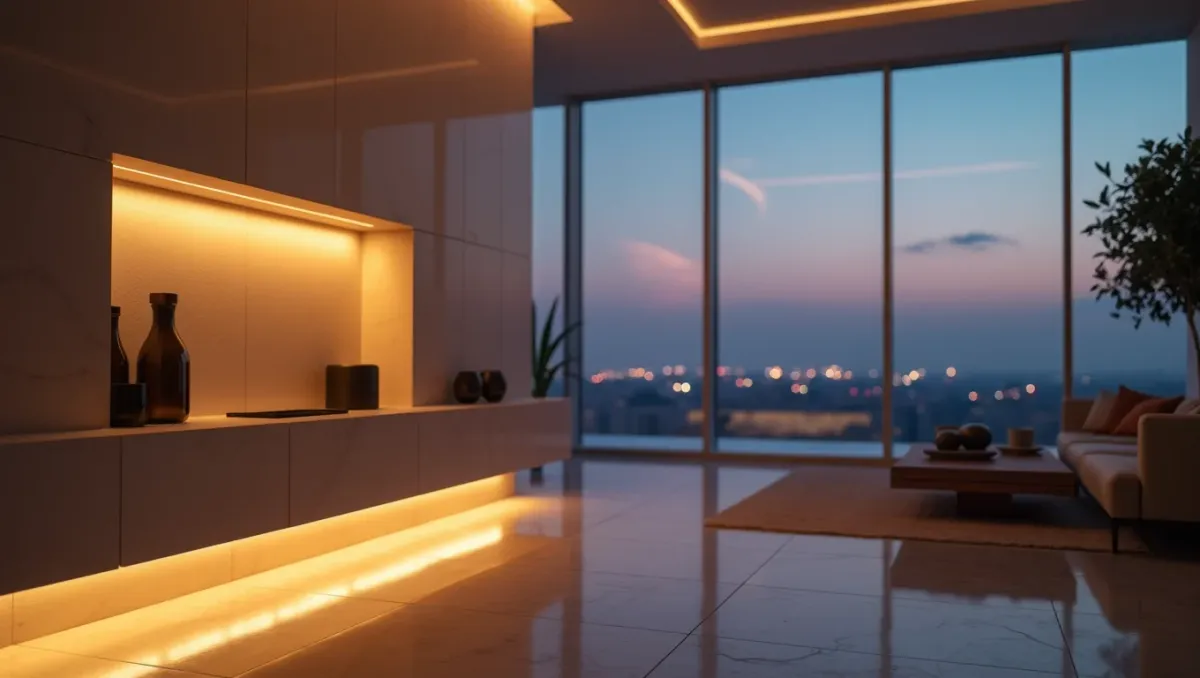
As residents in the Arabian Peninsula, we are intimately familiar with the power of the sun. It fuels our lives, warms our villas and compounds, and powers everything from our kitchens to our air conditioning units. Over the years, many of us have become comfortable with modern energy consumption—until the high electricity bills arrive or we consider the long-term resilience of our homes against fluctuating energy sources.
For those looking into sustainable living here in the Gulf, every watt counts. It’s not just about installing solar panels on your rooftop; it's about managing every single point where energy leaves your home—including how you illuminate your living spaces. We often focus our efforts on big appliances like AC units or water heaters, but sometimes the most overlooked component is simply the light fixture in the hallway or the chandelier in the main reception area.
Think of your home’s entire electrical system like a sophisticated circulatory network. If one area—say, your lighting—is inefficiently using energy, it creates unnecessary strain throughout that whole "system," forcing every other component, especially your air conditioning (HVAC) unit, to work harder than necessary just to maintain comfort. That's where understanding lighting efficiency comes into play.
Why Lighting Efficiency Matters: Beyond Just Saving Electricity
When we talk about energy efficiency in lighting, people often think only of the reduction on a monthly bill from local utilities. While that is certainly true and very encouraging, the impact goes much deeper. It’s fundamentally about load management—making sure your villa runs as smoothly and efficiently as possible.
Consider the extreme heat we experience here during the summer months, with ambient temperatures often reaching 45°C or higher. When the air conditioning system (the HVAC) is already working overtime just to keep that living room comfortable, imagine an older lighting system—perhaps traditional incandescent bulbs—which wastes a significant amount of energy not as light, but as heat. This excess waste heat doesn't just feel uncomfortable; it actually adds unnecessary thermal load inside your compound.
For the HVAC unit, adding even a small amount of unexpected heat means the compressor has to cycle more often and run longer to hit that set temperature. It’s like asking a vehicle to climb an extra hill when it was already struggling with fine desert sand—it uses much more fuel just to compensate for the added resistance. In our homes, inefficient lighting adds that "sand" of unnecessary heat load, forcing the AC unit to consume more power and reducing overall system efficiency.
This is why adopting high-efficiency LED (Light Emitting Diode) technology isn't merely an aesthetic choice; it’s a crucial step in maximizing your home’s energy resilience. By shifting to LEDs, we are not just getting bright light; we are actively reducing the total amount of heat generated inside the dwelling.
The Technical Advantage of LED: A Deep Dive into Energy Metrics and Longevity
To truly understand why LEDs are superior for our sustainable Gulf homes, let’s look under the hood—at some technical terms. Don't worry; I promise to explain everything as we go.
Understanding the Technology
- LED (Light Emitting Diode): At its core, an LED is a semiconductor material that converts electrical energy directly into light energy with minimal waste heat. Unlike older bulbs that generate significant heat as a byproduct of their operation, LEDs are designed to be highly direct and efficient.
- Wattage: This measures the rate at which electricity is used (the power consumption). A lower wattage for the same amount of light output means less energy consumed from your electrical circuit.
- Lumens: This unit measures total visible light output. It tells you how bright the bulb actually is. When comparing fixtures, always look at lumens first; compare them to see which provides sufficient brightness for your room's purpose.
- Efficacy (or Lumens per Watt): This is perhaps the most important metric. It measures how many lumens (brightness) you get for every watt of power consumed. A higher efficacy number means a more efficient bulb, crucial when managing loads in industrial cities.
When comparing an older, inefficient bulb to a modern LED, we see dramatic differences in efficacy. Where traditional lighting might struggle to provide high lumens with low watts, LEDs maintain that excellent performance while dramatically reducing the overall electrical load on your home’s circuit.
The Financial and Environmental Benefits
From a practical homeowner perspective, this translates into substantial energy savings measured in kilowatt-hours (kWh). kWh is the unit used to measure electricity consumption over time. By drastically lowering the total kWh consumed by lighting alone, you are reducing your overall demand on the grid and minimizing heat rejection.
Furthermore, LEDs boast incredible longevity. Traditional bulbs might need replacement every few years; LED fixtures can last for many years—often tens of thousands of hours. This means fewer maintenance trips, less waste, and a more stable, predictable energy profile for your compound over decades.
Optimizing Your Home's Load: Smart Lighting Controls for Maximum Savings
Adopting LEDs is the first major step in efficiency, but adopting smart LED controls takes it to the next level. This is about making sure you are never using more light than is absolutely necessary.
Think of your solar energy system and your home’s needs like managing a large family budget: you need control over when and how much you spend on certain things. Smart lighting controls give you that precise level of management, ensuring peak efficiency even in modern developments across the region.
The Power of Dimming
Dimming is the ability to adjust the brightness (lumens) of a light source while keeping its color quality consistent. Many people use their main living room lights at full blast all day, regardless of whether they are reading quietly or having a large gathering. A dimmable LED system allows you to precisely match the lighting intensity to the activity.
If you only need 50% brightness in the evening for relaxing conversation, running the light at 100% is pure waste. Dimming instantly cuts the power consumption, leading to immediate kWh savings without sacrificing ambiance. This subtle control adds immense value to your home's overall energy management.
Sensors and Automation
Next up are motion sensors and daylight harvesting systems. A sensor automatically turns lights off when a room is empty—a simple but powerful way to prevent "phantom load" (energy used even when nothing is running). Daylight harvesting, on the other hand, uses light sensors placed near windows. These systems measure the natural light entering your villa from outside and automatically dim or turn off indoor lights that are receiving adequate sunlight.
This automation means you don't have to remember to flip a switch; the system handles the energy conservation for you, ensuring peak efficiency even when residents forget. This is particularly valuable in modern residential compounds across KSA and the UAE, where advanced sustainability standards are becoming mandatory.
Integrating Efficient Lighting into Your Sustainable Arabian Gulf Home Design
The final step is seeing lighting not as a standalone fixture, but as an integral part of your entire home energy ecosystem. We want to move beyond simply "saving money" and achieve true energy independence and resilience.
When planning or renovating a villa in the Arabian Gulf region, efficient lighting must be paired with other systems—namely solar power generation and battery storage (a large bank of batteries that stores excess energy when the sun shines).
If you generate clean electricity during the day using panels on your rooftop, but then waste a significant amount of stored energy running inefficient lights at night, you are undermining your entire investment. By ensuring all electrical loads—from AC units to refrigerators to lighting—are operating at peak efficiency (thanks to LEDs and smart controls), you maximize the usable output of every single watt generated by your solar system.
It is a comprehensive approach: Solar Panels generate power → Battery Storage holds it → Smart Controls distribute it efficiently → LEDs use minimal energy to provide maximum light quality.
What This Means For You
The takeaway message is that upgrading your lighting system is one of the highest return-on-investment (ROI) upgrades you can make for overall home efficiency. By focusing on high-efficacy LEDs and smart controls, you achieve three critical goals:
- Reduced Peak Load: You lower the total power demand during the hottest times of day, which is when your AC unit needs to work hardest. This stabilizes your energy usage profile.
- Enhanced Resilience: Your home becomes less reliant on peak grid power from the local utility, making it more resilient during potential brownouts or fluctuations in supply.
- Superior Comfort: By minimizing waste heat, the HVAC system runs more smoothly, contributing to a consistently cooler and more comfortable living environment throughout your villa.
Your Next Steps Toward an Efficient Home
Taking the plunge into energy efficiency can seem complex, but by focusing on these core principles, you can start making meaningful changes today:
- Conduct a Lighting Audit: Before buying anything, walk through your home and identify every single light source. Make a list of what kind of bulb is currently used (e.g., incandescent, CFL) to understand the current inefficiency level.
- Prioritize Smart Zones: Start small by implementing smart dimmers or occupancy sensors in high-traffic areas like main living rooms or hallways. This will provide immediate, tangible savings and show you the power of automation.
- Consult Your Energy Plan: When speaking with solar experts, don't just ask about panel size; ask how your proposed lighting plan (LEDs + smart controls) fits into the overall home load reduction strategy to maximize system efficiency and potential net metering benefits.
Related articles
- Maximizing Home Comfort with Energy Saving Fans in the Arabian Gulf
- Choosing Reliable Solar Panel Suppliers in Saudi Arabia: A Homeowner’s Guide
- Finding the Best Solar Panels in Saudi Arabia: A Comprehensive Owner’s Guide
- Powering Tomorrow: Saudi Arabia’s Pivotal Shift to Renewable Energy
- What Is Solar PV Installation & Maintenance? Your Comprehensive Guide for the Arabian Gulf
Explore topics: Energy Efficiency, Saudi Arabia, Gulf
The information in this article is for educational purposes only. Always verify specifications, availability, and suitability with a qualified supplier or engineer before making purchasing or installation decisions.



