
Finding the Best Solar Panels in Saudi Arabia: A Comprehensive Owner’s Guide
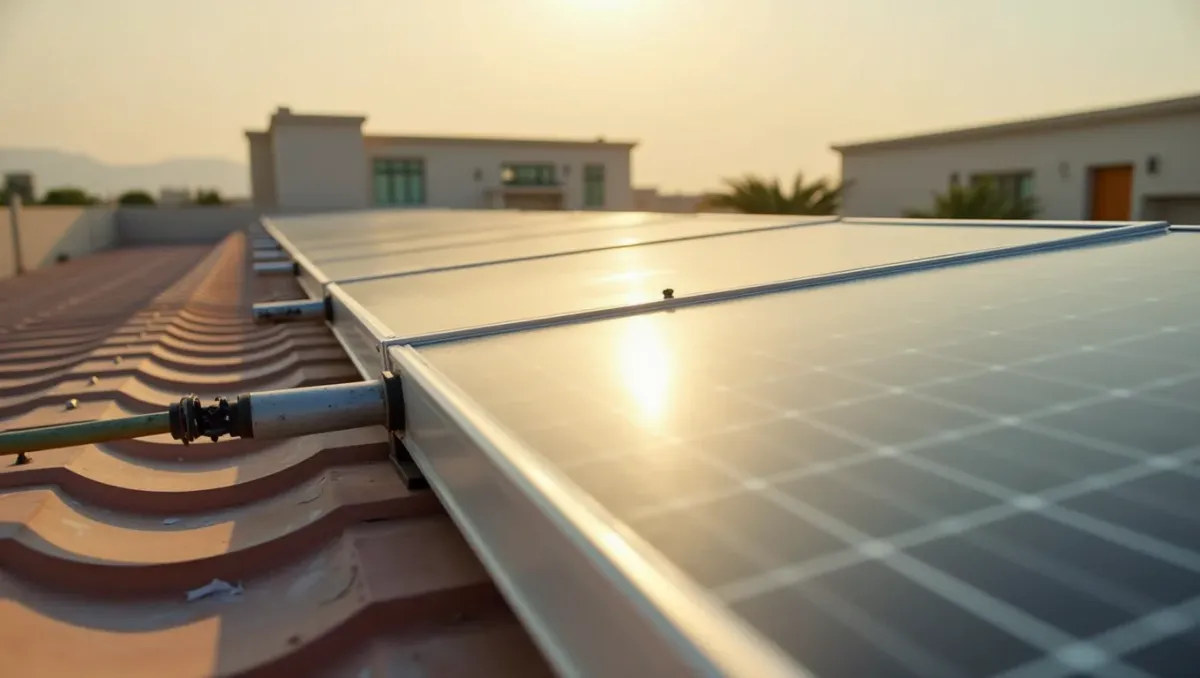
If you live anywhere that appreciates the brilliant, relentless sunshine of the Gulf, you know what it feels like when the air conditioning unit kicks on and those high electricity bills arrive. Understanding how to select the best solar panels in Saudi Arabia is the first step toward energy independence. Over time, realizing that your power source is fundamentally tied to fluctuating global energy grids can feel… precarious.
But here in the Kingdom, we are standing at a fascinating crossroads of history and future. With national goals emphasizing energy resilience and sustainability—a vision driven by Saudi Vision 2030—the time for homeowners to take control of their power generation is now more crucial than ever. Solar energy isn't just an alternative; it’s becoming the smart, reliable cornerstone of modern Gulf living.
Choosing solar panels can feel overwhelming. It involves technical terms like "irradiance," "conversion rate," and acronyms you don't recognize. Our goal today is simple: to demystify this process. Think of me as your guide—someone who has spent years helping families across the Kingdom understand exactly where their power comes from, ensuring that when you invest in your villa or compound, you are making a decision built on clarity, confidence, and superior performance.
Selecting Solar Systems for KSA: A Buyer's Guide
When you look at solar panels, it’s easy to treat them like simply interchangeable pieces of glass. However, they are sophisticated energy harvesting machines, and selecting the right type is critical. For a homeowner in the Arabian Peninsula, your choice must be tailored not just to your roof space, but to our unique climate challenges.
Before diving into specific technologies, let’s address two fundamental concepts: Solar Irradiance and System Sizing.
- Solar Irradiance: This is simply the measure of solar power arriving at a surface (like your roof). It is measured in units like watt-hours per square meter per day (Wh/m²/day) and is what dictates how much energy potential your location has. The Kingdom receives incredible irradiance, making it highly advantageous for residential solar adoption across the region.
- System Sizing: This refers to matching the total capacity of your entire system—including panels, inverters, and batteries (if applicable)—to your home's actual energy needs. It’s like planning a meal: you wouldn't order enough food for forty people if you are only feeding two. Your solar system must be sized precisely to meet your typical daily consumption profile, ensuring the investment is both effective and optimized for your villa or compound.
A common mistake new homeowners make is focusing solely on buying the biggest panels possible. Remember: bigger isn't always better. The goal is efficiency relative to need. A highly efficient system sized correctly will provide reliable power, allowing you to build energy resilience into your household—a growing priority in today’s world.
Understanding Panel Technology: Mono vs. Poly vs. Thin-Film
The technology used to manufacture the silicon cells is what differentiates solar panels. While all three types mentioned below convert sunlight into electricity, they do so using different crystalline structures, which impacts their performance and durability in extreme heat.
Monocrystalline Panels
These are generally considered the premium option for residential use because of their superior efficiency. They are made from a single, continuous crystal structure of silicon, giving them a uniform, dark black appearance. Because they utilize material waste minimally and achieve extremely high conversion rates (the percentage of incoming light that is converted into usable electricity), you can generate more power in a smaller footprint. For villas with limited rooftop space but high energy needs—common across the major compounds—monocrystalline panels are often the top choice.
Polycrystalline Panels
These panels are constructed from silicon fragments melted together, resulting in multiple crystal structures. They have a distinct blue appearance and tend to be more affordable than their mono counterparts. While they still convert sunlight effectively, because of the multi-crystal structure, they generally have slightly lower conversion rates compared to monocrystalline options.
Thin-Film Panels
These panels are made by depositing one or more thin layers of photovoltaic material onto a substrate (like glass). Because they don't rely on thick crystalline wafers, they can be flexible and perform well in low-light conditions. Historically, these were used for very large installations. For residential use in the Gulf, while they offer flexibility, their overall efficiency per square meter is often lower than modern mono or poly options, making them less common for primary rooftop power generation.
The Takeaway Analogy: If your home's energy needs are like a family car trip across the desert (long distance, high demand), monocrystalline panels offer the best fuel economy and range in a smaller vehicle footprint. Polycrystalline is reliable but might require a slightly larger "fuel tank" for the same journey.
Key Metrics for Assessing Panel Quality: Efficiency, Warranty, Durability
When comparing panels, you should look beyond marketing claims and focus on objective performance metrics. These three factors—Efficiency, Warranty, and Durability—are non-negotiable for a long-term investment in the Gulf.
Conversion Rate (Efficiency)
This is arguably the most important number to understand. The conversion rate, or efficiency, measures how well the panel converts incident solar radiation into usable direct current (DC) electricity. If a panel has an efficiency of 21%, it means that for every 100 units of sunlight hitting the surface, 21 units are converted into power. A higher conversion rate means you need fewer panels and less roof space to generate the same amount of energy.
Warranties: Product Life vs. Performance
Never accept a panel without understanding its warranty structure. There are two types:
- Product Warranty (The Physical Guarantee): This covers the physical lifespan of the components—the frame, the glass, and the junction box. It guarantees that the panels will physically last for a set number of years.
- Performance Warranty (The Output Guarantee): This is arguably more valuable. It doesn't guarantee the panel won't age, but rather how much power it will still be producing after X number of years. For example, a typical performance warranty might guarantee that after 25 years, the panels will still be outputting at least 80% of their original rated capacity. This guarantees your energy stream remains reliable over decades.
Durability in the Arabian Climate
This is where local knowledge matters most. The Gulf region subjects solar equipment to extreme stressors: intense UV exposure, high ambient temperatures (frequently exceeding 45°C, peaking near 50°C), and abrasive dust accumulation from haboob storms or saline coastal air. A truly durable system requires:
- Temperature Tolerance: Panels must be rated for performance consistency across a wide temperature range.
- Dust Management: Proper mounting structures are essential in KSA because fine desert sand and accumulated dust can significantly reduce the panel's surface area available to capture light, effectively lowering your irradiance input over time. The structure should allow for easy cleaning and withstand potential wind stress from sandstorms.
Optimizing Your System: Managing Heat and Calculating Ideal Size
Achieving peak performance requires holistic planning that considers both physics and lifestyle.
Managing Heat and Dust
High temperatures are not just uncomfortable; they actively reduce electrical output. As panel temperature rises, their efficiency drops slightly (this is called the temperature coefficient). Therefore, system installation must prioritize ventilation and proper mounting heights to allow air flow underneath the panels. Furthermore, planning for routine cleaning—mitigating dust accumulation—is part of maximizing your return on investment.
The Crucial Role of System Sizing
To correctly size your system, you cannot just look at a single monthly bill. You must analyze your load profile—the specific pattern of energy usage throughout the day and across seasons. Do you use high amounts of air conditioning in the peak summer months? Does the household run powerful appliances (like water heaters) only in the mornings? By understanding this daily rhythm, an engineer can design a system that is optimally sized to cover your most critical loads when the sun shines brightest.
Remember that while solar panels generate DC electricity (Direct Current), your home usually runs on AC power (Alternating Current). This is where the inverter comes into play. Think of your solar inverter like the translator between your panels and your home—without it, all that energy the sun provides would simply have nowhere useful to go.
What This Means For You
The process of adopting solar power in Saudi Arabia is becoming easier and more reliable, backed by national objectives. Your best strategy is not just buying the "most powerful" panels, but choosing a system that balances high efficiency (like monocrystalline technology) with proven durability, ensuring it can withstand extreme heat and dust for decades.
Your practical takeaways should be:
- Focus on Performance Warranties: Always ask to see the guaranteed performance degradation curve over 25 years, not just the initial output rating.
- Prioritize System Matching: Do not let a salesperson simply sell you panels; insist on an energy audit that analyzes your specific load profile and local irradiance levels.
- Consider Mounting Structure First: Ensure the chosen mounting system is designed to handle both high wind stress and facilitate easy, effective cleaning to combat dust buildup.
Next Steps Toward Energy Independence
Ready to take control of your power source? Here are three simple action steps you can take today:
- Conduct a Detailed Energy Audit: Gather at least one full year's worth of utility bills. This data is essential for an engineer to accurately map your load profile and avoid oversizing or undersizing the system, ensuring compliance with SEC standards.
- Understand Your Roof Potential: Take initial measurements of available, unobstructed rooftop area (in m²) and note any permanent shading sources (like adjacent buildings or large AC units). This defines your physical limit.
- Consult with Multiple Experts: Speak to several qualified engineers who specialize in local Gulf solar installations. Use this comparative process to ensure you understand the trade-offs between different panel technologies and warranty structures before making a final decision.
Related articles
- Choosing Reliable Solar Panel Suppliers in Saudi Arabia: A Homeowner’s Guide
- Finding the Best Solar Service Partner in the Arabian Gulf
- What Is Solar PV Installation & Maintenance? Your Comprehensive Guide for the Arabian Gulf
- Powering Tomorrow: Saudi Arabia’s Pivotal Shift to Renewable Energy
- Maximizing Home Comfort with Energy Saving Fans in the Arabian Gulf
Explore topics: Solar Panels, Saudi Arabia, Gulf, Residential
The information in this article is for educational purposes only. Always verify specifications, availability, and suitability with a qualified supplier or engineer before making purchasing or installation decisions.



