
The Off-Grid Solar System Design & Installation Manual: Guide for KSA Homeowners
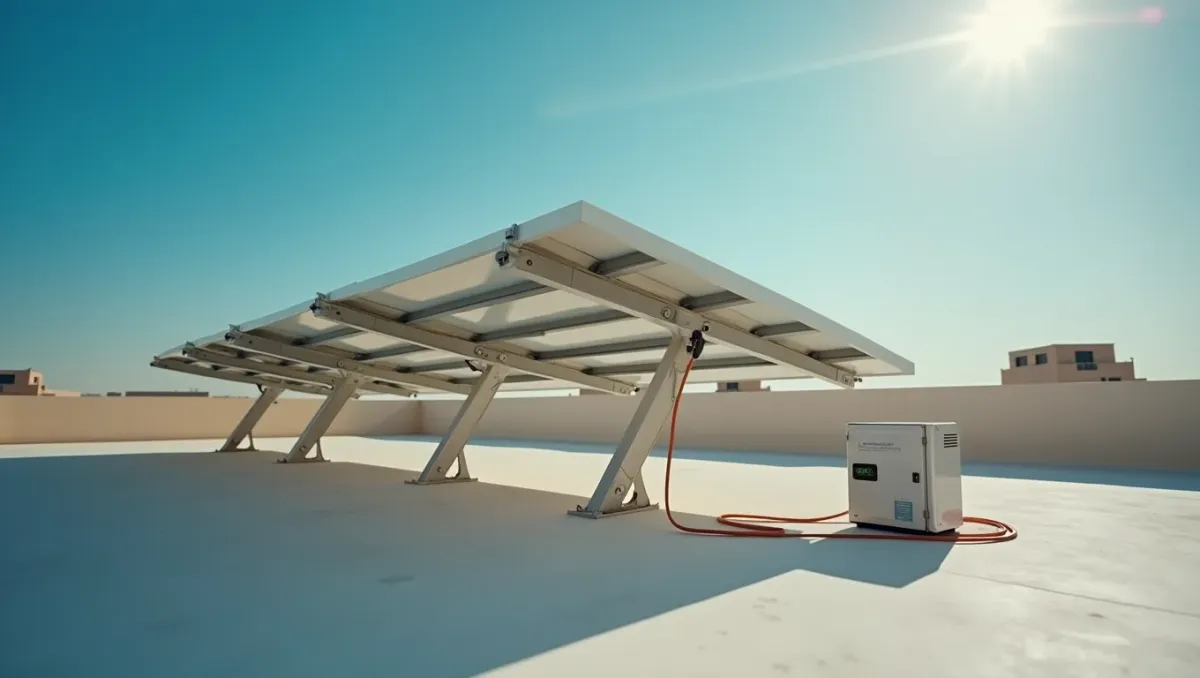
The sun is one of nature’s most reliable resources, especially here across the Arabian Peninsula. For many residents living in modern compounds and villas, achieving energy self-sufficiency through solar power can feel complex. However, as energy resilience becomes increasingly critical—especially given extreme heat and dust storms—understanding how to design and install an effective off-grid solar system is essential.
If you’ve been researching the best way to achieve complete autonomy or heard whispers of off-grid solar system design, you might feel overwhelmed by the technical jargon. But it doesn't have to be! Think of solar power not just as an alternative, but as a fundamental upgrade to your home's energy independence. This comprehensive guide is designed to take the mystery out of designing and installing your own autonomous power source.
We will walk through this process step-by-step, transforming complex electrical concepts into practical knowledge that empowers you—the homeowner—to understand exactly how your property can be powered by the relentless sun, ensuring reliable energy even when disconnected from the utility grid.
Understanding Off-Grid Solar vs. Grid Reliance for KSA Properties
When people discuss solar power, they must first determine if they need a system connected to the public lines (grid-tied) or one that operates entirely independently (off-grid). Understanding this difference is the most crucial step in your energy journey.
A grid-tied system means your house remains connected to the local utility grid. This setup provides a safety net—if the sun isn't shining or if a problem occurs on the grid, you can still draw power from the main supply. The benefit is that excess energy often gets fed back into the grid (net metering).
In contrast, an off-grid system is designed to operate completely autonomously. For properties situated far from main infrastructure—or for those whose priority is never having power interruptions—self-sufficiency isn't a luxury; it’s a necessity. When we discuss autonomy, we mean that your system must generate enough power to run every appliance 24 hours a day, regardless of utility status.
So, before you start designing, ask yourself: Is my primary goal maximizing savings while being connected (grid-tied), or is my absolute priority never losing power due to local outages (off-grid)? Your answer defines the system design path we must follow.
Phase 1: Conducting the Energy Load Audit – Sizing Your Home’s Power Needs
This foundational phase is arguably the most critical step in any solar system design. You cannot size a solar system—whether grid-tied or off-grid—without first conducting a detailed energy load audit. Don't guess; we need measurable data.
An energy load audit involves calculating your home’s true consumption in kilowatt-hours (kWh) per day. This calculation dictates the minimum daily output required from your solar array and battery bank.
- List Everything: Write down every single electrical appliance in your house—lights, AC units, pumps, etc.
- Find the Ratings: For each item, find its wattage (W) or amperage (A) rating.
- Estimate Usage Hours: Estimate how many hours per day you run that specific appliance.
By multiplying (Power in kW) × (Hours Used in Day), and summing those results, you arrive at your total daily kWh requirement. This figure is the minimum energy input the system must provide every single day.
Phase 2: Designing Core Components for Off-Grid Reliability
Once we know how much energy (kWh/day) is required, we move into sizing the three core components of your autonomous setup: the solar panels, the batteries, and the inverter. These elements are interconnected to ensure continuous power.
1. The Solar Panels (The Energy Source)
Photovoltaic (PV) modules capture sunlight and convert it into direct current (DC) electricity. To size these panels correctly for the Gulf environment, we must account for severe real-world derating factors: extreme ambient temperatures and pervasive dust accumulation from haboob storms. Your panel array must therefore be sized larger than theoretical requirements to ensure optimal output.
2. The Batteries (The Energy Storage Capacity)
Batteries act as the system's energy bank, storing excess DC electricity generated during peak hours for use at night or when sunlight is blocked. For an off-grid home in KSA, battery capacity is paramount.
A critical metric here is Autonomy Days—this specifies how many days the system must operate without generating any power (e.g., during prolonged cloud cover). Due to the volatile weather patterns of the region, a standard recommendation often dictates storage for at least three to five autonomy days to guarantee reliable operation.
3. The Inverters (The Power Translator)
Your solar inverter is the critical translator. Panels generate DC power (Direct Current), but almost every appliance in your home runs on alternating current (AC). The inverter’s job is to safely and efficiently convert the DC power into usable AC power for your household systems.
The size of the inverter must be able to handle the peak instantaneous load—meaning it needs enough capacity to run everything at once, even if that moment only lasts a few seconds. This calculation requires precise knowledge of your total maximum calculated household draw (the peak requirement).
Phase 3: Installation Protocols and Safety in Saudi Arabia
The installation process demands strict adherence to engineering standards. Given the high voltages, professional installation is non-negotiable.
- Site Assessment & Permitting: Engineers assess roof load capacity and conduct final site measurements.
- Physical Mounting: Panels are mounted on optimized racking systems, ensuring the correct tilt angle to maximize year-round solar gain.
- Wiring Infrastructure: Specialized wiring runs from the panels to a central junction point. This must be rated for extreme desert temperatures and protected against dust intrusion.
- Component Integration: Batteries are housed in climate-controlled enclosures (essential due to heat), and the inverter is connected last, completing the system integration.
Key Takeaways for Achieving Energy Independence
To successfully design your off-grid solar system, remember these three rules:
- Always Audit: Never accept a system size based on vague estimates. Insist on a detailed professional energy load audit (kWh/day calculation).
- Prioritize Resilience: If power stability is critical to your lifestyle, ensure the design prioritizes battery autonomy days over initial cost savings.
- Demand Professionalism: Only hire certified engineers who specialize in off-grid systems for this climate. They must account for heat mitigation and dust management as standard practice.
Self-sufficiency through solar power is a journey that starts with understanding your consumption and ends with unparalleled energy peace of mind.
Related articles
- Your Comprehensive Guide to Off-Grid Solar System Design and Installation in Saudi Arabia
- Understanding the 3 Types of Solar Installation
- IRENA Issues Call for Renewable Energy Acceleration
- Understanding Static Electricity: A Guide to Electrical Safety for KSA Homes
- Finding the Best Solar Service Partner in the Arabian Gulf
Explore topics: Off Grid, Saudi Arabia, Solar Panels, Batteries



