
Choosing the Right UPS for Solar Backup: A Guide to Energy Resilience in the Arabian Gulf
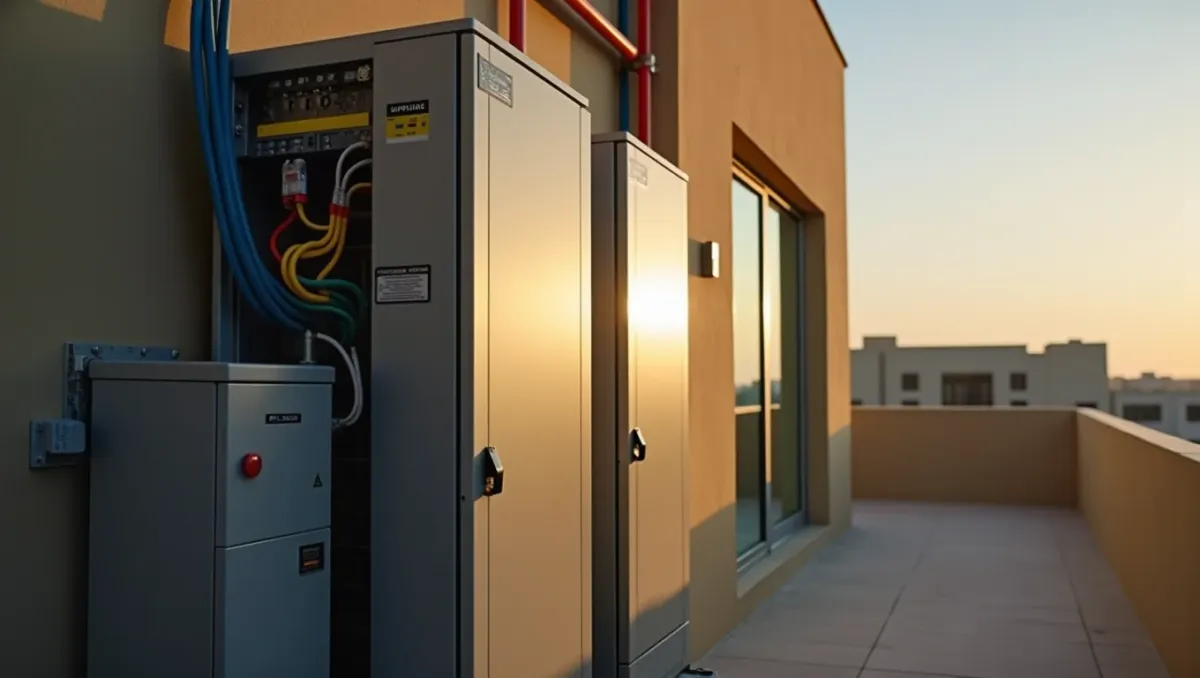
As energy demands grow across the GCC region—from sprawling compounds in Riyadh to industrial centers like Jubail and KAEC—reliable power supply has transitioned from a convenience to an absolute necessity. While photovoltaic (PV) systems provide decentralized generation capability, they are inherently subject to intermittency due to the diurnal cycle of solar irradiance. To achieve true energy independence and resilience against grid instability, integrating sophisticated storage solutions is mandatory. When considering **UPS solar reviews**, understanding the technical distinctions between basic battery backup and advanced Uninterruptible Power Supply (UPS) systems is crucial for engineering a robust power foundation tailored for the harsh conditions of the Arabian Gulf.
Understanding Solar Energy Storage vs. UPS Systems
Many homeowners conflate energy storage with power quality protection. While both involve batteries and electrical conversion, they serve fundamentally different functions within the overall microgrid architecture. Understanding this distinction is crucial for proper system sizing and component selection.
Solar Energy Storage (The Capacity)
Solar energy storage refers to the capacity to hold excess electrical energy generated by the PV array when demand is low, allowing it to be deployed later when generation is insufficient or when the grid fails. The primary metric here is stored energy, measured in kilowatt-hours (kWh). The core function of a solar battery bank is managing *bulk power capacity* over an extended period. It dictates for how long your villa or compound can operate without any external input.
When designing a storage system, we calculate the required autonomy—the number of hours you need to run critical loads (e.g., refrigeration, medical equipment) during an outage. The battery bank chemistry (e.g., deep-cycle Lithium Iron Phosphate (LiFePO4) or advanced lead-acid chemistries optimized for temperature extremes) and its nominal voltage are the primary factors defining this capacity.
Power Quality Protection with a UPS
A UPS, conversely, is not primarily an energy storage device; it is a sophisticated power conditioning apparatus. Its core function is to ensure that the electrical load receives clean, stable, and uninterrupted power—specifically maintaining a pure sine wave output—regardless of fluctuations in the input source. The primary metric for sizing a UPS is apparent power, measured in Volt-Amperes (VA), or derived real power, measured in kilowatts (kW).
In the context of solar backup, utility grid power and even basic inverter output can suffer from significant voltage sags, surges, and harmonic distortion due to regional load fluctuations common in densely populated areas like Jeddah or Dubai. A standard inverter handles DC-to-AC conversion; a quality UPS actively monitors and corrects these transient disturbances in real time. It acts as an intelligent filter for the power waveform itself.
To illustrate: If your critical appliance is sensitive (e.g., modern networking equipment, specialized medical devices), it requires a pure sine wave output with tightly regulated voltage and frequency. A system lacking proper UPS functionality may provide enough *power* but fail to provide sufficient *quality*. This distinction is non-negotiable when prioritizing high uptime.
Selecting the Best UPS Topology for Solar Integration
The market offers several types of power protection, but for critical residential loads powered by solar, the choice between online and standby systems dictates the level of resilience achieved. The regional incidence of voltage instability across the Arabian Gulf makes this selection critically important.
Standby Topology
A standby UPS system operates primarily on utility or inverter power when available. It uses its battery capacity only when an immediate failure occurs, switching to battery power relatively quickly. This design is cost-effective and suitable for non-critical loads where minor voltage dips or brief interruptions are tolerable.
Online Double Conversion Topology
The online topology represents the highest level of protection. In this setup, the incoming utility (or solar inverter) power source *never* directly powers the load. Instead, both sources feed into an internal rectifier/inverter circuit which converts all input DC to AC, and then immediately converts it back to clean DC for the output inverter. The resulting output is always a perfect sine wave, regardless of the input quality or stability.
For solar-integrated backup in environments prone to power quality issues—such as those experiencing frequent voltage sags during peak usage times in commercial districts—the online topology provides maximum protection against transients, harmonics, and noise. It effectively isolates the sensitive load from all external electrical disturbances, making it the superior choice for high-value equipment.
| Feature | Standby UPS | Online Double Conversion UPS |
|---|---|---|
| Power Waveform Output | Near Sine/Modified Sine (Varies) | Pure Sine Wave (Ideal) |
| Protection Against Sags/Surges | Moderate | Superior (Full Isolation) |
| Efficiency | Higher (Less conversion loss) | Lower (Due to double conversion) |
| Application Suitability | Basic/Non-critical loads | Critical/Sensitive electronic loads |
Sizing for Resilience: Calculating the Right Capacity for Your Compound Load in KSA
Accurate sizing is the most critical engineering step. An undersized system fails when demand peaks; an oversized system represents wasted capital and excess energy capacity that cannot be utilized efficiently.
Load Profiling and VA/kVA Determination
The first step involves creating a comprehensive load profile. You must list every connected appliance, its required operating voltage (consult local electrical codes for accurate residential and commercial voltages), and its maximum running power draw in Watts (W). The total wattage determines the necessary real power capacity (kW).
However, because electronic loads often have significant reactive components, we must size based on apparent power (VA). For example, a motor starting up draws peak current far exceeding its continuous rating. You must identify the maximum simultaneous load draw during an outage event in your villa or compound.
The calculation for required VA generally involves dividing the sum of all critical appliance Wattages by the anticipated Power Factor (PF). Always apply a buffer margin—a safety margin of at least 20% to account for future expansion or unexpected operational peaks.
Battery Capacity Calculation (Autonomy)
Battery sizing is governed by the desired runtime (T) and the calculated critical load power (Pload). The required stored energy (Ereq), measured in kWh, is simply Ereq = Pload × T.
The battery bank's nominal capacity (C) must then account for the Depth of Discharge (DOD) and the system voltage. For various chemistries, recommended DOD limits exist to maximize cycle life; these limitations must be factored into the required energy calculation. The final required bank size (in kWh) must exceed the calculated energy requirement after factoring in these limitations and environmental derating factors.
Thermal Considerations in the Arabian Gulf
Critical Warning: High ambient temperatures are a paramount design constraint in the region. Excessive heat significantly reduces chemical efficiency and lifespan for battery cells. All installed components (inverter, UPS, batteries) must be housed in climate-controlled environments or utilize specialized thermal management systems. Engineers should always consult component manufacturer specifications regarding acceptable operational temperature ranges.
Integration and Best Practices for Solar Systems in the GCC
The integration of these three components—PV array, battery bank, and power conditioner (UPS/Inverter)—must be executed by certified professionals following rigorous electrical codes established by local authorities. The system needs to function as a single, cohesive microgrid.
System Architecture Integration
A typical high-resilience architecture uses the solar inverter as the primary DC source link. When grid power is present and stable (and confirmed via anti-islanding protection), the UPS may be bypassed or placed in "pass-through" mode. During a grid outage, the system transfers seamlessly to battery/inverter power. The key interaction point is how the UPS communicates with the inverter's transfer switch mechanism. This must ensure instantaneous detection of voltage dips (sag) and frequency deviations, which are common regional issues.
The process requires sophisticated control logic: 1) Grid monitoring; 2) Load shedding/prioritization management; 3) Battery State-of-Charge (SOC) management; and 4) Seamless power transfer. The overall system performance is dictated by the weakest link in this communication chain.
Optimizing for Gulf Environmental Extremes
- Dust Management: High airborne particulate matter, especially during haboob storms or along saline coastal air routes, necessitates robust air filtration systems for all electronic enclosures. Dust ingress can lead to short circuits and excessive thermal loading, reducing component lifespan.
- Cooling Systems: Beyond basic housing, active cooling (HVAC units) is often required for the entire electrical room, maintaining temperatures below optimal operational thresholds to ensure peak performance of inverters and batteries.
- Grounding and Bonding: Due to high humidity and dust conductivity, meticulous grounding practices are essential. All metallic enclosures, racking systems, and equipment must be bonded to a dedicated earth ground point to mitigate lightning strikes and transient overvoltages.
Key Takeaways for Solar Resilience
- Function Distinction: Solar storage addresses *energy capacity* (kWh), while a UPS ensures *power quality* and stability (VA/kVA). Both are critical for resilience in compounds across the GCC.
- Topology Selection: For maximum protection against regional voltage sags and surges, the Online Double Conversion UPS topology is strongly recommended for all sensitive loads in modern villas and commercial properties.
- Sizing Protocol: Always calculate required capacity based on apparent power (VA) rather than just running watts (W), and incorporate a minimum buffer margin into your system design.
- Environmental Mitigation: Successful deployment in the Arabian Gulf demands robust thermal management, comprehensive dust protection against haboob storms, and adherence to specialized grounding protocols due to high ambient temperatures and particulate levels.
Related articles
- What is the Best Hybrid Solar Inverter? A Guide to Energy Resilience in KSA
- Advanced Energy Storage Systems for Grid Reliability in Saudi Arabia
- Energy Storage Systems in Saudi Arabia: Optimizing the Modern Gulf Grid
- Optimizing Energy Security: A Comprehensive Guide to Battery Storage in Saudi Arabia
- The Essential Role of Battery Storage in Saudi Arabia's Energy Grid
Explore topics: Batteries, Smart Grid, Saudi Arabia, Gcc
The information in this article is for educational purposes only. Always verify specifications, availability, and suitability with a qualified supplier or engineer before making purchasing or installation decisions related to SEC/SEWA grid connections.



