
Optimizing Investment Returns: A Strategic Guide to Green Building Solutions for Jeddah's Commercial Sector
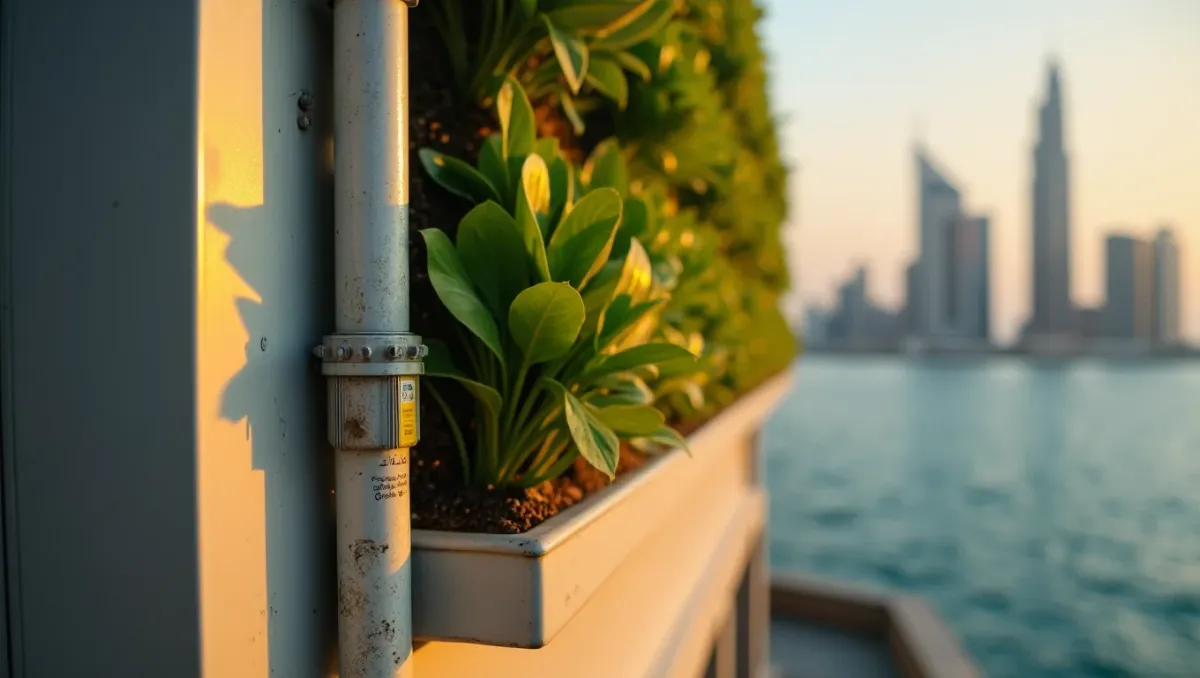
For businesses operating across the Arabian Peninsula, the question of sustainable infrastructure investment is no longer a choice—it is an economic imperative. The focus must shift from initial capital expenditure to total cost of ownership (TCO). In the rapidly expanding commercial landscape of the Arabian Gulf, particularly in dynamic markets like Jeddah and the Eastern Province, sustainability has moved far beyond mere Corporate Social Responsibility (CSR); it is now a fundamental pillar of risk mitigation and long-term asset valuation.
For developers and institutional investors operating here, understanding green building solutions requires focusing on operational efficiency across the entire lifecycle. A truly sustainable commercial asset maximizes its performance by ensuring that the return on investment (ROI) is realized not only through appreciation but also through dramatically reduced utility expenditures over decades, insulating owners from volatile energy prices.
What Are Green Building Solutions? Defining Sustainability in the Arabian Gulf Context
At its core, a green building solution represents a holistic design philosophy that minimizes negative environmental impact while maximizing occupant health and operational efficiency. Unlike superficial retrofits or single-source installations (such as simply adding solar panels), comprehensive solutions integrate technology, material science, site planning, and energy systems into one optimized whole.
In the unique context of the Arabian Gulf—characterized by extreme aridity, intense heat loads during summer months, limited potable water resources, and exposure to haboob storms—the definition of "green" takes on critical regional specificity. Here, sustainability is not merely about reducing carbon footprint; it is fundamentally about resource resilience. The primary value proposition for commercial buyers and developers in Jeddah is achieving operational continuity despite severe climate stresses and escalating utility demands from local utility providers.
From a strategic investment perspective, adopting these solutions significantly de-risks the asset. By designing systems that account for extreme heat loads and water scarcity from day one, developers are future-proofing their investments against regulatory shifts, volatile energy prices, and increasingly stringent regional environmental mandates aligned with Saudi Vision 2030.
The Pillars of Sustainable Design: Energy, Water, and Materials
Sustainable design rests on three interconnected pillars. Mastery of these areas is what separates a standard commercial structure from a high-performing, future-proof asset capable of delivering superior ROI.
Energy Efficiency and Management
For large industrial or multi-tenant commercial compounds (such as those in Jubail or KAEC), energy consumption—particularly cooling—is the single largest variable operational expenditure. Strategic energy management focuses on reducing demand before generating power. This involves optimizing building envelopes through high-performance insulation and advanced curtain wall systems that minimize heat gain from the intense desert sun.
- Operational Optimization: Modern green designs move beyond simply installing efficient HVAC units. They integrate Building Management Systems (BMS) that monitor energy usage in real-time, automatically adjusting mechanical loads based on occupancy patterns and localized climate data. This dynamic approach ensures maximum efficiency across complex power networks supporting industrial processes or high-density commercial retail areas.
- Energy Recovery: Implementing heat recovery ventilators (HRVs) is crucial. By capturing and reusing the energy from exhaust air—which would otherwise be vented into the extreme external heat—the system significantly reduces the mechanical load required to maintain internal comfort, translating directly into lower operating hours for chillers and generators.
Water Conservation and Resilience
Given Jeddah’s coastal location and regional water scarcity, water management is arguably the most critical component of sustainability. A green building approach treats every drop as a valuable resource.
- Greywater Recycling: This involves capturing water from sinks, showers, and washing areas (greywater). Advanced on-site filtration and purification systems treat it for non-potable reuse. The primary application is flushing toilets and landscape irrigation in the surrounding compounds, dramatically reducing the building’s reliance on expensive potable sources.
- Rainwater Harvesting: While infrequent, capturing and storing rainwater during flash events remains a vital component of resilience planning. Integrating cisterns into the site plan ensures that potential natural resources are captured and managed for later use in cooling towers or irrigation support systems.
Sustainable Materials and Waste Management
The materials used define both the building’s initial embodied carbon footprint and its long-term performance. Strategic procurement focuses on minimizing waste, utilizing locally sourced aggregates and materials to reduce transport emissions across the Kingdom, and selecting components designed for disassembly rather than demolition.
- Low Embodied Carbon: Developers are increasingly prioritizing materials with lower embodied carbon—the CO2 released during manufacturing and transportation. This includes exploring alternative structural elements and cladding systems that meet modern performance standards while adhering to the sustainability goals outlined in Saudi Vision 2030.
- Waste Stream Management: Integrating dedicated, efficient waste segregation points from the outset streamlines operational processes. Furthermore, considering modular construction techniques allows for rapid adaptation and refurbishment of commercial spaces, minimizing structural waste during the asset's lifespan.
Implementing High-Performance Systems in Jeddah's Climate (Solar Integration & Cooling)
The intersection of extreme regional climate and advanced technology requires a deeply integrated design strategy. Solar Photovoltaics (PV) are not simply "added on" to the roof; they must be an integral part of the architectural skin and energy architecture, working in concert with sophisticated cooling management.
Solar PV: Beyond Power Generation
For large-scale commercial assets—be it a mixed-use tower or an industrial park requiring 3-phase power feeds—solar arrays provide predictable, decentralized power generation. Given the high solar resource availability in KSA, the economic benefit is profound: every kilowatt-hour (kWh) generated on-site offsets the need to purchase that same kWh from the grid, stabilizing operational budgets and insulating the business from external utility rate volatility.
Strategic PV integration involves careful planning of array orientation and tilt angle to maximize capture efficiency throughout the year. The resulting power can directly offset base loads, such as lighting systems, elevator operations, and auxiliary cooling equipment, providing a clear path toward achieving energy self-sufficiency targets via programs supported by local utility providers.
Advanced Passive Cooling Strategies
The intense solar irradiance and ambient temperatures of Jeddah necessitate that passive design strategies take precedence over purely mechanical solutions. These methods fundamentally reduce the heat load entering the structure, allowing HVAC systems to operate far more efficiently.
- Shading and Orientation: Utilizing deep overhangs, optimized facade geometry, and external shading devices (brise-soleils) is critical for mitigating direct solar gain on vertical surfaces. Proper building orientation minimizes exposure to the harshest sun paths during peak operational hours.
- Thermal Mass and Ventilation: Designing buildings with high thermal mass combined with controlled natural ventilation pathways helps stabilize internal temperatures. By using prevailing breezes (when available) in conjunction with mechanical assist, the system reduces the overall energy needed for cooling while maintaining occupant comfort levels—a direct reduction in utility costs.
The Investment Perspective: Operationalizing Efficiency
When assessing the total lifecycle cost of a project, developers must model the synergy between these systems. For example, reduced heat gain from advanced insulation means that the cooling load (measured in tons or kW) is lower, allowing the solar PV system to size optimally for the remaining demand, thus preventing over-specification and maximizing ROI.
From Concept to Certification: Guide for Developers Investing in Green Buildings
The path from conceptual design to a certified green commercial asset requires rigorous adherence to both local codes and globally recognized standards. This structured process is essential for mitigating regulatory risk and validating the investment claims made to financiers and tenants.
Navigating Local Regulatory Frameworks
Investing in Jeddah mandates strict compliance with Saudi regulations, notably those driving sustainable urban development outlined within Vision 2030. Developers must familiarize themselves thoroughly with the Saudi Green Building Code (SGBC) and international standards like LEED. These frameworks are not merely checklists; they represent a codified commitment to performance that validates market readiness.
Achieving certification validates that the project has met stringent benchmarks across all pillars—from water recycling capacity to energy use intensity (EUI).
The Financial Case for Certification
While achieving top-tier certification requires upfront investment, this expenditure must be viewed as an asset enhancement. The ROI is realized through several mechanisms:
- Premium Occupancy Rates: Tenants and corporate occupiers increasingly view green certification as a non-negotiable requirement for flagship locations in commercial districts like King Abdullah Economic City (KAEC), allowing developers to command higher rental rates.
- Reduced Utility Expenditure (OpEx): The primary financial driver remains the sustained reduction in operational expenditures (OpEx). By integrating solar PV with efficient HVAC systems and greywater recycling, the building achieves a lower energy cost per square meter over its life than conventional structures.
- Lower Financing Costs: Banks and international financing institutions are increasingly incorporating sustainability performance into their lending models. Certified green buildings often qualify for preferential financing rates due to their perceived low operational risk profile.
Lifecycle Costing and Maintenance Planning
A comprehensive investment strategy must account for the asset’s full lifespan, not just the construction phase. This means rigorously planning for maintenance and optimizing replacement cycles.
- Proactive Maintenance: High-performing systems (like large arrays or advanced BMS) require specialized monitoring. Developing a robust preventative maintenance schedule is crucial to maintaining peak efficiency. Ignoring scheduled maintenance on cooling coils, solar inverters, or filtration units can lead to rapid performance degradation and catastrophic failure, negating all initial savings.
- Material Durability: Selecting materials based on their proven durability in the arid, saline coastal environment of Jeddah minimizes premature replacement costs. This includes specifying coatings and sealants that withstand intense UV exposure and humidity cycling over decades.
Key Takeaways
- Green building is a strategic investment mechanism that converts environmental stewardship into tangible financial resilience against rising utility costs and climate volatility across the Arabian Gulf.
- True sustainability demands integrating solar PV, passive cooling methods, and water recycling systems holistically, rather than treating them as standalone add-ons to the structure.
- For developers in Jeddah, aligning with local frameworks like the Saudi Green Building Code is paramount for de-risking the asset and maximizing market acceptance among high-value tenants.
- The ultimate measure of ROI must account for total lifecycle costs, including reduced OpEx from efficient resource management (energy and water).
Related articles
- Zero Energy Building Bca
- Achieving Energy Security: A Homeowner’s Guide to Choosing Solar Batteries in KSA
- best off-grid solar system for home
- Choosing the Best EV Charging App for Electrified Roads in the Arabian Gulf
- Decoding Your Drive: A Guide to Choosing the Best EV Charging Network in the Arabian Gulf
Explore topics: Green Building Solutions Jeddah, Gulf, Renewable Energy
The information in this article is for educational purposes only. Always verify specifications, availability, and suitability with a qualified supplier or engineer before making purchasing or installation decisions.



