
Choosing Cool Roof Tiles for Terraces and Compounds in KSA
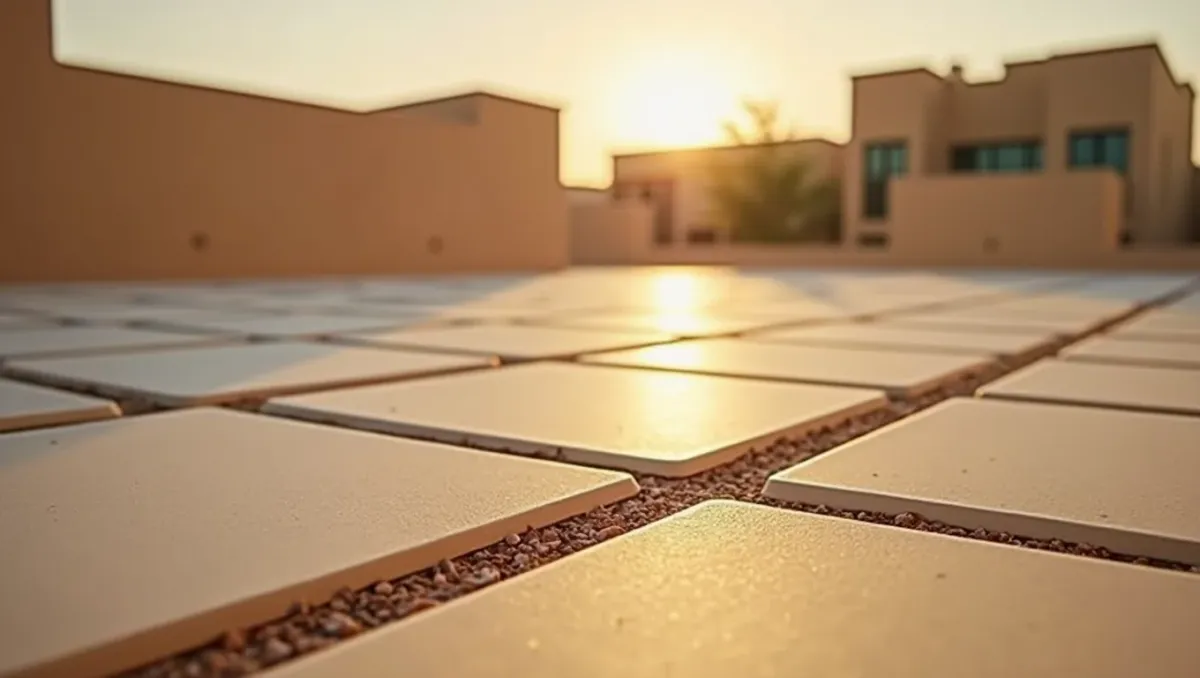
Living across the magnificent cities of the Arabian Peninsula—from the compounds of Riyadh to the coastal developments of Jeddah, or the modern districts of Dubai and Doha—means embracing a climate defined by intense sunshine and rapid growth. While we are blessed with incredible opportunities, our environment presents a formidable challenge: heat. The summer peaks frequently push temperatures past 45°C, making even the most advanced air-conditioned indoor space feel strained.
When you look up at any modern cityscape in the GCC, it appears engineered to withstand the elements. Yet, what many homeowners don’t realize is that the very surfaces we build on—our rooftops and terraces—play a massive role in trapping and radiating heat back down into our communities. This is where choosing the right roofing material becomes one of the most powerful steps you can take toward energy security, comfort, and community sustainability. Specifically, implementing cool roof tiles is a highly effective solution.
Think of your roof not just as a cover, but as an active component that interacts with the environment. By understanding how heat travels through materials—especially when faced with fine desert sand and intense solar irradiance—we can select solutions like cool roofing tiles. These materials help keep our compounds cooler, significantly reduce electricity consumption on your monthly utility bill, and contribute to a healthier, more resilient community for everyone.
Why Cool Roofs Matter: Combating the Urban Heat Island Effect in the GCC
To understand why specialized roof materials are crucial, we must discuss the "Urban Heat Island Effect."
In simple terms, a city densely covered with heat-absorbing materials—like dark concrete, traditional roofing tiles, or asphalt—acts like a giant thermal blanket. During the day, these surfaces soak up enormous amounts of solar energy. Instead of letting that heat dissipate into the atmosphere, they absorb it and then slowly radiate it back out as infrared radiation well into the night.
This phenomenon is acutely felt across our major cities. The intense ambient temperatures—which frequently exceed 45°C during peak summer months—are amplified by this effect. It makes the air feel much hotter, trapping heat and making natural cooling efforts extremely difficult for nature to manage.
This is where the concept of a "cool roof" comes into play. A cool roof isn't just any reflective surface; it’s a sophisticated material designed not only to reflect solar radiation but also to remain significantly cooler than conventional roofing materials, even when exposed to saline coastal air and fine desert sand. By implementing these strategies on your villa rooftop or compound terrace, you are doing more than just cooling down your home—you are actively helping mitigate the overall heat island effect across your entire neighborhood.
This collective action of efficiency upgrades is vital for our region's energy stability. It directly reduces the strain on local electrical grids during those peak summer hours, enhancing energy security and moving us closer to a sustainable future where we rely less on fossil fuels simply to fight the heat.
A Material Comparison: Choosing the Best Cool Tiles for Your Compound
When it comes time to upgrade your terrace or roof, you might encounter several options—from simple reflective coatings to specialized architectural tiles. Each must be robust enough to handle the intense sun, high humidity, and fine desert sand characteristic of the Arabian Gulf.
The goal is not just reflectivity; it's finding a balance between aesthetics, durability, and thermal performance in a harsh environment. Here is how we compare the main types of cool roofing solutions:
Reflective Coatings
These are liquid or paint-based materials applied directly to an existing roof surface. They work by creating a highly reflective barrier. They are generally cost-effective and quick to apply, making them popular for covering large, flat areas in commercial districts.
Analogy: Think of a freshly polished vehicle parked under the desert sun. It bounces back most of the light instead of absorbing it. This is what these coatings aim to do.
Best For: Existing structures where minimal disruption is desired, or for covering large, flat areas quickly in industrial compounds.
Specialized Cool Tiles
These are full roofing systems designed from the ground up with reflective materials integrated into their structure. They maintain a traditional architectural look while incorporating specialized ceramic glazes or highly reflective substrates that resist fading and cooling properties even after years of exposure to dust and extreme temperatures.
Best For: Villas and private compounds where aesthetics, longevity, and a robust physical barrier are paramount. Specialized tiles often provide superior structural integrity compared to coatings alone, especially in the high humidity common across the GCC region.
Other Materials (e.g., Green Roofs)
While not strictly "tiles," incorporating vegetation (a green roof) is another powerful cool roofing strategy. Plants transpire—they release water vapor into the air—which has a natural cooling effect, much like how shaded gardens feel refreshing during the hottest part of the day. This biological process works alongside reflective materials to provide maximum resilience.
The Takeaway: There is no single "best" material; the ideal choice depends on your existing roof structure, aesthetic preference, and maintenance tolerance. Consulting a qualified local engineer is essential for balancing these factors.
Understanding Performance Metrics: SRI and Emissivity Explained
If we were to grade cool roofs, we wouldn't just look at how white they are. We need specific scientific measurements that tell us how well the material actually handles heat energy. Two of the most important metrics you must know are Solar Reflectance Index (SRI) and Emissivity.
Solar Reflectance Index (SRI)
What it is: The SRI is a single number that measures how effective a roofing material is at reflecting solar energy and emitting thermal energy. It combines two concepts into one easy-to-understand score. A higher SRI means the roof is doing a better job of keeping heat out.
*When comparing materials, always ask for the SRI score—it is the single best indicator of cooling performance.*
Emissivity
What it is: Emissivity measures a material’s ability to radiate (or emit) energy. A good cool roof needs high emissivity, meaning it must be able to effectively release any heat it has absorbed back into the atmosphere, especially at night. If a material absorbs heat but cannot radiate it away, that trapped heat will keep your home warm long after the sun sets.
Thermal Resistance
This refers to how well the material insulates or resists the transfer of heat through itself. While cool tiles focus on reflecting heat, proper insulation (like using specialized underlayments) adds a layer of thermal resistance, creating a barrier that keeps the inside air from feeling the outside temperature swings.
Implementing a Cool Roof Strategy: Installation Tips for the Gulf Environment
Having chosen your material based on its SRI and emissivity, the next critical phase is installation. Even the most scientifically advanced cool tile system will fail if it's installed incorrectly.
Key Installation Considerations
- Proper Ventilation: A crucial step often overlooked is creating a ventilated air gap between the roof surface and the building structure below. This allows hot air that has radiated from the tile to escape naturally, ensuring the cooling effect isn't trapped inside your villa or compound.
- Sealing and Waterproofing: Given the high humidity and intense temperature swings in our region, robust waterproofing membranes must be installed beneath any new tiling or coating. These barriers are non-negotiable as they protect against moisture ingress, which is vital for the long-term structural integrity of your home.
- Sloped Surfaces: Cool roofing strategies work best when they allow for proper drainage. Ensure that the tiles and underlying structure guide water away efficiently to prevent pooling, especially during unexpected heavy rains or flash floods common in our coastal areas.
What This Means For You (The Homeowner)
For a homeowner considering this upgrade, the benefits extend far beyond just feeling cooler. Implementing cool roofs is an investment in your family's comfort and the long-term resilience of your property:
- Reduced HVAC Load: By minimizing the amount of solar heat that enters your home through the roof, you drastically reduce the workload placed on your air conditioning (HVAC) system. If your AC unit doesn't have to work as hard fighting the outside heat, it runs more efficiently and lasts longer.
- Lower Energy Bills: A less stressed HVAC system means lower electricity consumption. This translates directly into substantial savings on your monthly utility bills—a much-needed cushion when energy costs rise across the GCC.
- Improved Indoor Air Quality: Cooler temperatures mean better air quality, contributing to a more comfortable living space year-round.
Calculating the Long-Term Return on Investment (ROI)
When thinking about ROI for a cool roof system, we are calculating resilience and comfort.
Consider this: during peak summer months across the Arabian Gulf, energy demand surges dramatically. By adopting a cool roofing strategy, you are making your home less reliant on local grids, enhancing your family’s independence from fluctuating energy supplies. This added layer of "energy resilience" is often the most valuable return.
Ultimately, the best investment is one that improves your quality of life while simultaneously making you a more responsible steward of our region’s limited resources and contributing to the sustainability goals driving development in cities like NEOM and KAEC.
Ready to Start Your Cool Roof Journey?
Making this upgrade doesn't have to feel overwhelming. Here are three simple steps you can take right away:
- Assess Your Current Surface: Take note of your roof’s current color and material. Understanding its existing absorption rate is step one.
- Gather Preliminary Information: Start compiling questions for qualified local engineers regarding the SRI ratings of different cool roofing options—whether they are coatings or tiles—to compare their performance metrics directly.
- Consult with Experts on Ventilation: When speaking to suppliers, always ask them about the necessary ventilation requirements under the new system. Proper air flow is non-negotiable for maximum cooling efficiency.
Related articles
- Addressing Asbestos and How to Cool Roofs in the Arabian Gulf
- Best Cool Roof Tiles Brands for GCC and KSA: A Guide to Thermal Efficiency
- What Defines Top Green Buildings: Principles of Sustainability in the Arabian Gulf
- How to Save Electricity in the Arabian Gulf
- Achieving the Highest Level of LEED Certification in the Gulf
Explore topics: Passive Cooling, Renewable Energy, Saudi Arabia, Gcc
The information in this article is for educational purposes only. Always verify specifications, availability, and suitability with a qualified local supplier or engineer before making purchasing or installation decisions.



