
How to Save Electricity in the Arabian Gulf
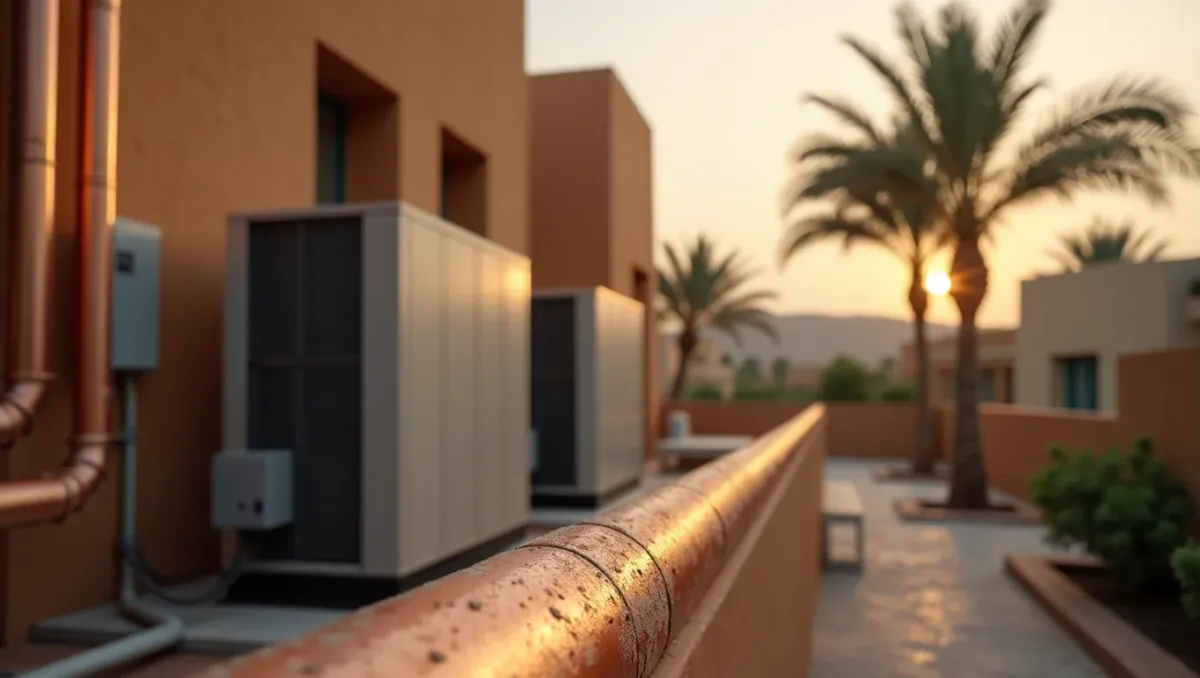
Understanding Your Energy Footprint in the Arabian Gulf
When we walk through our villas during the intense summer months, it is easy to take the cool air and chilled water for granted. However, every degree of cooling and every liter of hot water provided by our appliances has a direct link to your energy footprint. In our region, understanding how to save electricity starts with recognizing that "energy footprint" refers to the total amount of electricity or fuel consumed by your household to maintain your lifestyle in an environment where temperatures frequently soar above 45°C.
Because of the extreme heat we experience across the Arabian Peninsula—where summer peaks can reach 50°C—our homes are designed to be sanctuaries against the sun. However, this comfort comes with a significant energy demand. In many households in Riyadh, Dubai, and Kuwait City, the heavy reliance on cooling systems means that air conditioning (AC) can account for up to 70% of the total electricity consumed. When you look at your monthly bill from providers like the SEC, you aren't just seeing a number; you are seeing the physical energy required to keep your indoor environment comfortable against the desert heat and high humidity.
Understanding where this energy goes is the first step toward smarter management. Think of your home like a bucket of water; if there are holes in the bottom (inefficient appliances or poor insulation against the harsh sun), you have to pour more and more water in just to keep it full. By identifying where those "holes" are, we can focus our efforts on the areas that will make the biggest difference for both your comfort and your consumption. This transition from passive consumption—simply using what is available—to active management is a cornerstone of modern living across the GCC.
Tackling the Heat: Optimizing HVAC and Cooling Systems
Since cooling is the primary driver of energy use in our region, optimizing your Heating, Ventilation, and Air Conditioning (HVAC) system is one of the most effective ways to save electricity. The HVAC system is the "heart" of your home's climate control; it moves air and removes heat to keep your living spaces habitable during the long summer months.
One of the most impactful upgrades you can make involves the type of technology used in your units. Many modern homes are moving toward inverter ACs. Unlike traditional "on/off" compressors that run at full blast until the target temperature is reached and then shut down, an inverter compressor behaves more like a dimmer switch for a light. It adjusts its speed to maintain a constant temperature. This ability to modulate power means these systems can save between 30% and 50% on electricity compared to conventional units. In a region where AC dominates the bill, this is a significant leap forward.
Beyond the machinery itself, we must look at how we interact with it. Simple behavioral shifts—such as setting your thermostat a few degrees higher during the peak heat of the afternoon or ensuring that heavy curtains are closed to block out direct sunlight—can drastically reduce the workload on your compressor. Furthermore, "passive" cooling techniques are becoming increasingly important to combat the local climate. This includes improving building insulation and utilizing "cool roof" technologies. A cool roof is designed to reflect more sunlight and absorb less heat than a standard roof, significantly reducing the amount of heat that penetrates into your villa or apartment from above.
Smart Upgrades: From LED Lighting to High-Efficiency Appliances
While cooling is the "big" factor, there are several smaller components that, when combined, create a substantial cumulative impact on your energy footprint. One of the easiest ways to start is by transitioning to LED lighting. LEDs (Light Emitting Diodes) are highly efficient because they convert most of their energy into light rather than heat. Unlike older incandescent bulbs, which waste a lot of energy just making them hot to the touch in our climate, LEDs can provide the same amount of brightness while using a fraction of the power.
Similarly, replacing old appliances with high-efficiency models is a cornerstone of modern energy management. Appliances like refrigerators and water heaters run for long periods. A refrigerator, for example, must work constantly to keep your food at a safe temperature in our hot environment. By choosing a model with a high efficiency rating, you ensure that the motor doesn't have to work as hard to maintain those temperatures.
Water heating is another area where we can find significant gains. In many Gulf households, water heaters are located in areas that aren't always perfectly insulated, causing heat to escape and forcing the unit to cycle on more frequently. Implementing "Do-It-Yourself" improvements, such as insulating your water heater tank or installing low-flow showerheads, can reduce the amount of energy needed to heat and move water through your home's plumbing.
Behavioral Shifts and Smart Home Technologies for Power Management
Technology today allows us to move from "guessing" our usage to "knowing" it in real-time. This is where Smart Home Automation and the Internet of Things (IoT) come into play. IoT refers to physical objects—like thermostats, switches, or even fridge sensors—that are connected to the internet, allowing them to send data and be controlled remotely.
With a smart home system, you can monitor your electricity consumption in real-time through an app on your phone. Instead of waiting for the end of the month to see a high bill, you can see exactly which room or appliance is drawing the most power at any given moment. For example, a smart thermostat can be programmed to "learn" your schedule, automatically lowering the cooling in rooms that aren't being used during the day, while keeping your primary living areas comfortable.
These technological advancements are not just about convenience; they are part of a broader regional movement toward sustainability. Many Gulf nations are currently prioritizing energy efficiency as part of their national visions to create more sustainable futures for the next generation. By adopting these technologies, you aren't just saving on your monthly bill; you are participating in a larger movement toward responsible resource management.
What This Means For You
For the homeowner in the Gulf, learning how to save electricity isn't about making sacrifices that compromise your comfort. It is about efficiency—doing more with less. By focusing on the areas where you spend the most energy (cooling), upgrading to smarter technology (inverters and LEDs), and using smart tools to monitor your habits, you can create a home that is both comfortable and cost-effective.
The goal is to move from a passive role where the bill arrives as a surprise at the end of the month, to an active role where you have control over your environment. Small changes in how you manage your windows, a few upgrades to your lighting, and a shift toward high-efficiency cooling can lead to substantial long-term savings.
Ultimately, every watt saved is a step toward a more sustainable home. Whether it's through better insulation that keeps the intense heat out or smart systems that manage the power going in, these steps ensure your home remains a cool oasis while minimizing its impact on the grid.
- Audit your cooling: Check if your AC units are inverter-type and ensure your windows have proper seals to keep the cool air inside.
- Upgrade your lighting: Replace any remaining old bulbs with LEDs to eliminate unnecessary waste from lighting.
- Monitor and Automate: Consider installing a smart thermostat or smart plugs to give you real-time data on which appliances are consuming the most power during peak hours.
Related articles
- Choosing Cool Roof Tiles for Terraces and Compounds in KSA
- Is High Efficiency HVAC Worth It? A Guide for Gulf Homeowners
- Understanding the 3 Types of Solar Installation
- Harnessing the Sun: Your Guide to Renewable Energy Powering a Sustainable Future in the Arabian Gulf
- IRENA Issues Call for Renewable Energy Acceleration
Explore topics: Saudi Arabia, Gcc, Energy Efficiency, Residential
The information in this article is for educational purposes only. Always verify specifications, availability, and suitability with a qualified supplier or engineer before making purchasing or installation decisions.



