
Best Cool Roof Tiles Brands for GCC and KSA: A Guide to Thermal Efficiency
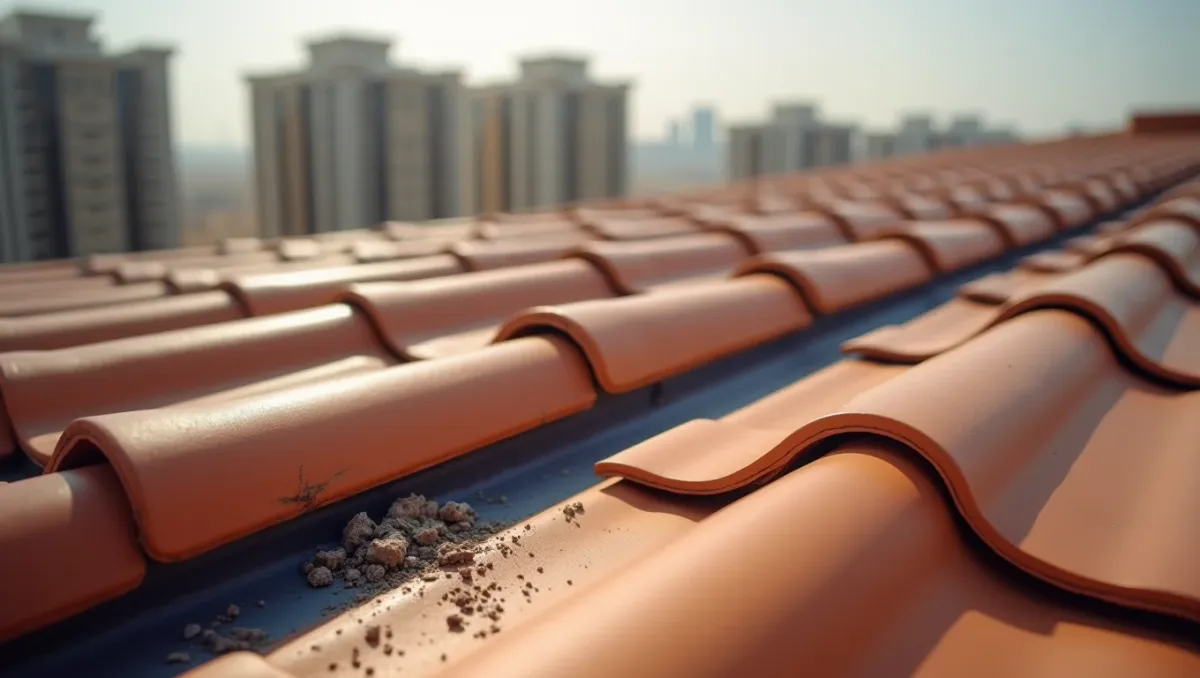
For commercial operators across the GCC—from industrial hubs to major retail compounds in Riyadh and Jeddah—energy expenditure related to cooling systems constitutes one of the most volatile and significant operational overhead costs. The question for businesses in Kuwait, Qatar, or the UAE is no longer whether to invest in passive efficiency; it is how quickly you can recover your capital by treating thermal management as a competitive advantage rather than an unavoidable cost. When considering the best cool roof tiles brands, facility managers must look beyond aesthetics and focus on measurable performance metrics.
The Arabian Gulf region, characterized by extreme ambient temperatures (with summer peaks often reaching 50°C) and high solar irradiance (averaging 5.5-6.5 kWh/m²/day in KSA), presents unique challenges that standard construction methods struggle to mitigate. The result is the severe exacerbation of the Urban Heat Island (UHI) effect in our rapidly developing mega-cities. When vast expanses of dark, heat-absorbing materials—such as traditional roofing membranes and asphalt—are used across industrial parks and commercial districts, they absorb massive amounts of solar energy. This absorbed heat does not dissipate; it is re-radiated back into the atmosphere, raising ambient temperatures far beyond what would be expected in a natural environment.
From an investment perspective, this thermal trap poses two critical risks: first, increased operational expenditure due to amplified HVAC loads; and second, systemic risk concerning energy resilience. During peak summer months, when local power grids are already stressed by industrial and residential demand, the collective heat load from poorly managed building envelopes creates a massive spike in peak demand. This necessitates the continuous expansion of generation capacity, which is costly for both governments and end-users.
This is where strategic architectural interventions become mandatory, not merely desirable. Cool roofing systems directly address this macro-level challenge at the micro-level efficiency point. By managing surface temperature, these technologies achieve two primary business outcomes: they significantly reduce the internal heat gain of the building structure, thereby lowering the required capacity and operational runtime of the cooling plant; and they contribute to the broader regional goal of energy security and sustainability, aligning perfectly with national mandates like Vision 2030.
The transition towards sustainable development in the region demands that passive cooling strategies are integrated into every phase of commercial asset planning. Ignoring the roof surface temperature is tantamount to accepting escalating operational risk. By implementing cool roofing solutions, facility managers move from simply reacting to high utility bills to proactively managing a key element of their energy portfolio.
Understanding Cool Roof Technology: SRI and Emittance Metrics
At its core, cool roof technology is not about insulation alone; it is a scientific strategy centered on manipulating how much solar radiation a surface absorbs versus how much it reflects or re-emits. Understanding the technical metrics of performance—specifically Solar Reflectance Index (SRI) and Thermal Emittance—is crucial for any commercial buyer assessing true value.
Traditional building materials are designed to be durable, but their interaction with the solar spectrum is often suboptimal. Cool roofing systems leverage advanced material science to optimize energy transfer across three key mechanisms:
- Solar Reflectance Index (SRI): This single number provides a comprehensive measure of a roof’s ability to reflect solar radiation. It measures both visible light reflectance and infrared reflectivity, giving architects and engineers a definitive tool for performance comparison. A high SRI means the material is highly effective at bouncing incoming sunlight away from the building envelope.
- Thermal Emittance (ε): This metric defines how efficiently a surface radiates absorbed heat back into the atmosphere compared to the surrounding air temperature. High emittance materials are excellent radiators of longwave infrared energy, meaning they quickly shed any residual heat they do absorb, preventing that heat from re-entering the building structure.
- Albedo: While SRI is more comprehensive for roofing, it is useful to understand albedo (the overall reflectivity). The goal of cool roofing materials is therefore two-fold: maximize reflectance in the visible spectrum and maximize emittance in the infrared spectrum.
The synergy between high SRI and optimal emittance allows a roof system to remain significantly cooler than conventional surfaces, often maintaining surface temperatures many degrees lower than surrounding concrete or dark membranes. This difference translates directly into operational efficiency. By keeping the ceiling structure itself cooler, the HVAC system operates with less strain, consumes less power, and can maintain comfort levels more reliably.
For large-scale industrial loads—such as those found in petrochemical facilities, logistics hubs, or major commercial complexes—the reduction in heat transfer through the roof is critical. When calculating the total thermal load (measured in units like kWh/m²/day), every percentage point of surface temperature reduction translates into tangible megawatts of saved cooling capacity and reduced demand on 3-phase power systems, which operate at standards like 220V/60Hz across KSA.
Selecting the Best Cool Roof Tiles for GCC Climates
The selection process cannot be generalized; it must be tailored specifically to the extreme and demanding climate profile of the Arabian Gulf. Materials suitable for temperate zones often fail quickly or perform poorly under intense UV radiation, high salinity (especially near coastal areas like Jeddah), and fluctuating thermal loads characteristic of KSA, UAE, Qatar, and Oman.
When evaluating options—whether specialized coatings, advanced reflective membranes, or patterned tiles—the focus must shift entirely from initial appearance to long-term material stability and performance longevity. The ideal solution must combine superior reflectance properties with exceptional durability against the corrosive effects of salt spray and intense solar degradation.
We observe three primary categories of high-performance solutions:
- Advanced Reflective Coatings: These are often applied to existing substrates. Their key advantage is ease of integration, allowing for rapid retrofitting on older commercial assets or compounds. However, the longevity and adherence of these coatings must be rigorously tested against local environmental stressors to ensure that their high SRI values persist over decades.
- High-Performance Modular Membranes: These solutions are engineered into a complete system layer. They provide structural integrity alongside thermal benefits. Their performance is highly predictable across large industrial arrays, making them ideal for continuous, uninterrupted surfaces typical of vast warehouse or factory roofing in the Eastern Province.
- Specialized Reflective Tiles and Systems: Some systems utilize interlocking or tile-like components. While these can offer superior architectural integration and aesthetic appeal, the selection must be based purely on their measured thermal performance metrics (high SRI and emittance) rather than visual appearance alone. When comparing technical solutions, a buyer should always prioritize the verifiable cooling effect over the complexity of installation.
In addressing passive efficiency, it is important to note that while cool roofing mitigates heat transfer from above, optimizing other elements remains paramount. Concepts related to best passive cooling strategies must consider the roof as one critical component within a holistic building envelope designed for minimal thermal gain. Furthermore, understanding the principles behind achieving optimal results shows that effective cool roofing is an investment in structural performance as much as it is an investment in aesthetics.
For facility managers considering deep retrofits of compounds or industrial villas, integrating materials with high durability and guaranteed performance over a 25-year lifecycle is non-negotiable. The technology must withstand the cycle of intense solar bombardment and rapid temperature shifts inherent to Gulf weather patterns while maintaining its ability to reflect energy effectively. This technical rigor ensures that the initial investment continues to deliver maximum operational efficiency.
Calculating the ROI: Financial Benefits of Cool Roofing in KSA
The financial justification for adopting cool roofing technology is overwhelmingly rooted in quantifiable energy savings, risk mitigation, and enhanced asset valuation. The Return on Investment (ROI) calculation must therefore transcend simple payback period analysis and encompass lifecycle cost modeling.
Energy Savings Quantification:
- Reduced HVAC Load: By lowering the roof surface temperature, cool roofing drastically reduces the amount of heat transferred into the occupied space. This directly translates to a proportional decrease in the required cooling tonnage and operational hours for the central Air Handling Units (AHUs). A cooler building skin means less energy is needed simply to counteract environmental thermal creep.
- Lower Peak Demand: The most significant financial benefit often lies not just in annual kWh savings, but in reducing peak load demand. During extreme heat events—when utility rates and grid stress are highest—reducing the facility's maximum instantaneous power requirement can qualify for substantial utility rebates or feed into energy management agreements, effectively lowering the effective cost per unit of energy consumed.
- Improved Operational Efficiency: Beyond direct electricity savings, improved thermal stability leads to more consistent internal conditions. This enhanced operational environment improves employee comfort and productivity—a key intangible asset value that impacts overall business performance in commercial districts.
To illustrate this relationship, consider the basic principle of energy transfer: Heat Load = Area × Temperature Gradient. Cool roofing tackles the temperature gradient side of the equation by minimizing heat input, thus reducing the required power input to maintain a constant indoor setpoint.
Lifecycle Cost and Maintenance Planning:
A sophisticated ROI model requires planning for maintenance cycles. The longevity of cool roofing materials is critical. Unlike low-cost solutions that may fail prematurely due to UV degradation, premium systems are designed with integrated protective layers. Proper maintenance involves routine inspections of the reflective surface integrity (checking for physical damage or accumulated dirt buildup) and ensuring the substrate remains waterproofed. By budgeting for preventative maintenance—such as periodic cleaning to restore SRI performance—the asset owner maximizes its useful life and ensures that the energy savings model remains accurate over decades.
Alignment with Regional Mandates and Green Certification:
For mega-projects, meeting sustainability targets is non-negotiable. Cool roofing systems are a foundational component of achieving high ratings in global green building certifications like LEED or the local Estidama. Furthermore, as regional governments accelerate their transition to net-zero goals—a trend powerfully visible across entire economic zones and large compounds—passive cooling strategies become mandatory components of due diligence for any commercial buyer seeking long-term investment security.
The cumulative benefit is a de-risked asset portfolio. The integration of cool roof technology transforms an essential utility cost (cooling) into a managed, efficiency-driven operational expenditure, making the facility inherently more resilient to future carbon pricing and energy volatility.
Key Takeaways
- Cool roofing is a critical risk mitigation tool in the Arabian Gulf, directly addressing extreme heat gain and reducing peak electrical load demands on local grids.
- The ROI is calculated not merely on annual kWh savings, but through lifecycle modeling that incorporates reduced HVAC capacity requirements and minimized operational risks.
- Effective selection requires rigorous focus on technical metrics—specifically high Solar Reflectance Index (SRI) and Thermal Emittance—rather than initial material cost or aesthetics alone.
- Integrating cool roofing is essential for achieving top-tier green building certifications and aligning with national sustainability mandates, boosting asset valuation.
Related articles
- Addressing Asbestos and How to Cool Roofs in the Arabian Gulf
- Choosing Cool Roof Tiles for Terraces and Compounds in KSA
- Sustainable Design: A Strategic Imperative for Commercial Investment in the Arabian Gulf
- What Defines Top Green Buildings: Principles of Sustainability in the Arabian Gulf
- Achieving the Highest Level of LEED Certification in the Gulf
Explore topics: Passive Cooling, Saudi Arabia, Gcc, Green Building
The information in this article is for educational purposes only. Always verify specifications, availability, and suitability with a qualified supplier or engineer before making purchasing or installation decisions.



