
Addressing Asbestos and How to Cool Roofs in the Arabian Gulf
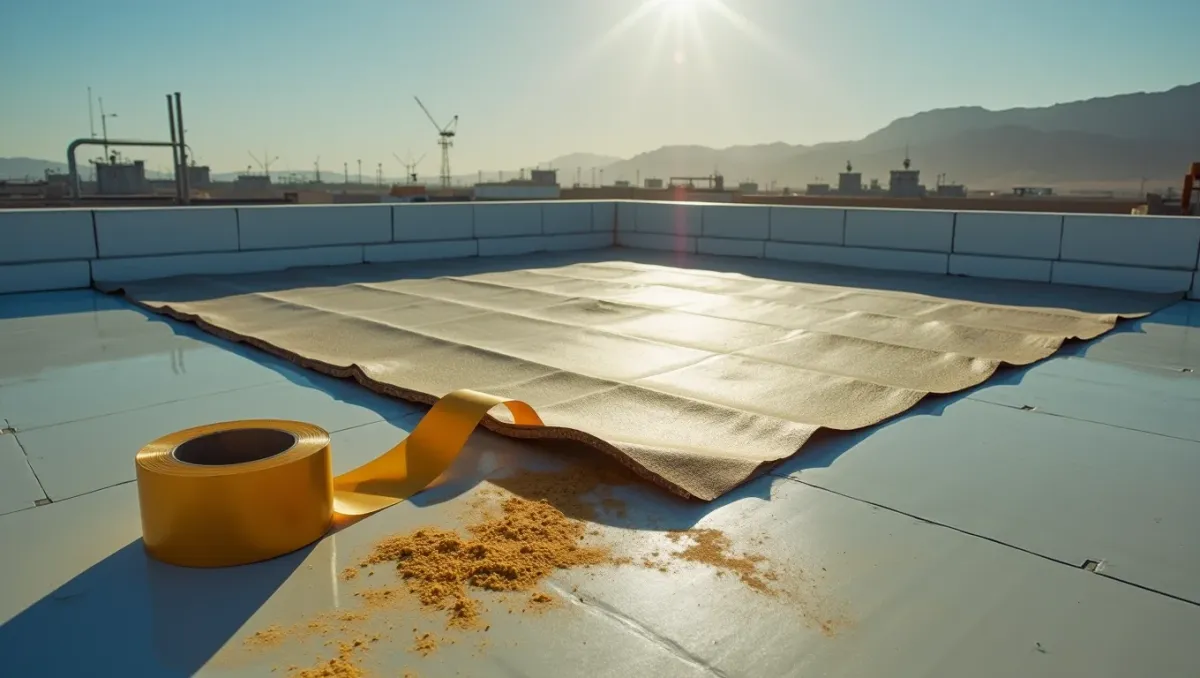
In the demanding operational environment of the Arabian Gulf—a region characterized by extreme diurnal temperature swings, summer peaks approaching 50°C, and high solar irradiance (averaging 5.5-6.5 kWh/m²/day in KSA)—the roof structure represents the single largest thermal interface between a built enclosure and the external atmosphere. The longevity and energy efficiency of any commercial or residential compound are critically dependent on managing heat flux through this primary envelope component.
Asbestos-containing materials (ACMs) were historically utilized in roofing due to their low material cost and perceived durability. However, from a modern engineering perspective rooted in structural integrity, public safety, and energy performance, these materials are obsolete. This deep dive provides an authoritative examination of the thermal challenges posed by aging Gulf structures—from industrial complexes across the region to residential compounds—and outlines the scientifically rigorous process required for implementing resilient, high-performance roof systems, including guidance on how to cool asbestos roofs safely.
The Critical Safety Warning: Why Asbestos Roofing Must Be Replaced
From a public health engineering standpoint, the presence of asbestos roofing materials constitutes an unacceptable risk. Asbestos is not merely an outdated building material; it is a known carcinogen. When subjected to environmental stressors—such as thermal cycling, physical abrasion, or differential expansion common in the Arabian Gulf's high-temperature cycles and exposure to fine desert sand—the binding agents holding the fibrous mineral structure fail. This failure leads to fiber release into the ambient air.
The engineering principle here is simple: structural degradation equals hazardous material exposure. Attempting any form of encapsulation, repair, or removal by non-specialized personnel poses extreme health risks and fails to achieve long-term abatement goals. Proper mitigation requires professional abatement services utilizing Negative Pressure Enclosure (NPE) techniques, mandated under stringent local safety codes.
The initial step in any roof retrofitting project must therefore be a comprehensive structural survey followed by certified hazardous material remediation. This process is not an elective upgrade; it is a mandatory safety prerequisite that dictates the subsequent architectural and mechanical design phases. The failure to address this critical health hazard renders all other energy efficiency investments moot.
Understanding Thermal Loads in GCC Structures: The Need for Cool Roof Technology
The Gulf Cooperation Council (GCC) region experiences some of the world's most intense solar loads. Peak ambient air temperatures frequently approach 45°C, while surface temperatures on dark roofing materials can exceed 70°C. This massive thermal gradient drives significant heat transfer into the occupied space below.
When a building relies on traditional, high-emissivity (low reflectivity) roofing materials, it exacerbates the urban 'heat island effect.' The roof absorbs solar energy and re-radiates it as longwave infrared radiation, effectively increasing the ambient temperature of the microclimate in cities like Riyadh or Kuwait. This continuous heat input dramatically elevates the mechanical cooling load requirement for the HVAC system.
This is where advanced roofing science becomes critical. A cool roof system is not simply a cosmetic coating; it is an engineered thermal barrier designed to minimize solar energy absorption and maximize reflected shortwave radiation (albedo). The objective function of cool roof technology is to reduce the net heat flux into the building envelope, thereby lowering the Coefficient of Performance (COP) degradation over time.
The technical goal involves selecting materials with high Solar Reflectance Index (SRI) values and low thermal emittance. For example, while a standard dark membrane might have an SRI around 30, achieving an SRI above 85 is often necessary to maintain the internal comfort levels required by modern building codes in the region.
Understanding what constitutes a cool roof involves recognizing that it addresses both radiative and conductive heat transfer. The increased thermal mass of traditional roofing materials contributes significantly to the 'thermal lag' effect, meaning they slowly release absorbed heat long after sunset, maintaining elevated internal temperatures overnight. Effective retrofitting must break this cycle.
Selecting the Right Replacement: Modern, Safe, and Reflective Roofing Materials
The replacement material selection process is a multi-variable optimization problem considering structural compatibility, thermal performance (R-value), moisture resistance, and long-term durability against abrasive dust particulate common in the Arabian Gulf, including exposure to saline coastal air.
Modern alternatives must be non-combustible, chemically inert, and resistant to UV degradation caused by intense desert solar radiation. We are no longer confined to single material solutions; rather, we utilize composite systems.
Cool Coatings vs. Cool Tiles
When considering types of cool roofs, two primary categories emerge: reflective coatings and specialized roofing assemblies (like tiles or membranes). The choice depends on the existing roof substrate and structural load capacity.
- Reflective Coatings: These are liquid-applied materials that modify the surface's optical properties. They utilize highly scattering pigments to achieve high albedo values. A cool roof coating provides immediate, quantifiable reductions in solar heat gain.
- Advanced Membranes/Tiles: These systems integrate reflective properties into the material matrix itself (e.g., specialized metal panels or mineral-based composite tiles). The structure of these materials can be designed to promote radiative cooling through engineered microcavities. For instance, certain highly reflective metallic substrates are favored for their superior long-term reflectance stability compared to polymer films.
For the highest performance in high heat environments, a combination approach is often optimal. The surface layer provides the reflection (high SRI), while an underlying insulation layer manages conduction.
Comparative Analysis of Roofing System Components
The following table compares key material parameters necessary for evaluating suitability in GCC climates:
| Component | Primary Function | Typical Thermal Conductivity (λ) | Reflectivity Mechanism | Ideal Gulf Application |
|---|---|---|---|---|
| Polyisocyanurate (Polyiso) Insulation | Minimize conductive heat transfer. | 0.022 – 0.028 W/m·K | N/A (Insulation only). | Primary barrier layer, maximizing R-value per inch. |
| High Reflectivity Coating | Maximize solar reflectance (ρ). | < 0.1 W/m·K (Surface effect) | Increased Albedo / Shortwave reflection. | Top layer application for immediate heat mitigation. |
| Metal Composite Panel (Cool Rated) | Structural enclosure and reflection. | 0.04 – 0.15 W/m·K | Engineered Surface Reflectivity / Radiative Cooling. | Areas requiring structural rigidity and longevity in commercial districts. |
Optimizing Your New Roof System: Integrating Insulation and Energy Efficiency
A successful roof retrofit transcends merely replacing an old material; it requires the creation of a holistic, optimized thermal envelope. The goal is to achieve maximum R-value (thermal resistance) while simultaneously maintaining high SRI values.
The Role of Advanced Insulation
Insulation selection must prioritize low conductivity and robust vapor barrier performance. Rigid polyisocyanurate boards are often the preferred material because they offer a superior balance of high R-value per thickness increment, structural support for secondary layers, and dimensional stability under extreme thermal cycling. Proper installation demands adherence to local moisture management protocols.
The total heat transfer coefficient (U-value) for the entire assembly dictates energy loss: U = 1 / R_total. By maximizing the total R_total of the system—combining insulation resistance with the reflective properties of the coating and air space—the cooling load reduction is quantifiable, directly impacting utility bills managed through standard utility billing systems.
System Integration for Peak Performance
To achieve true Net-Zero readiness, the roof must be viewed as an active energy generation component. This involves integrating Photovoltaic (PV) arrays directly onto the optimized substrate structure.
- Solar PV Integration: Mounting panels requires careful structural load analysis to ensure the existing building frame can support the dead and live loads of the array, racking, and associated ballast systems. The optimal tilt angle must balance maximizing solar irradiance capture (which varies by latitude) against minimizing self-shading and maintaining clear drainage paths.
- Ventilation Strategy: Maximizing attic ventilation is a critical, often overlooked step. A properly designed ventilated air gap between the insulation board and the exterior reflective membrane allows for convective cooling of the roof assembly, significantly reducing conductive heat transfer into the structure below. This principle ensures that excess heat absorbed by the outer surface can dissipate via natural convection pathways.
The combination of a high-albedo top layer (minimizing incident radiation), robust insulation (minimizing conduction), and managed ventilation (managing convection) forms an engineered, resilient thermal barrier suitable for the harsh Arabian Gulf climate.
Key Takeaways
- Safety First: Asbestos roofing materials mandate professional abatement by certified specialists. DIY attempts are non-compliant and severely hazardous.
- Thermal Optimization: Cool roof systems utilize high Solar Reflectance Index (SRI) coatings to mitigate the heat island effect, drastically reducing peak cooling demand in GCC structures.
- Composite Design: Optimal performance requires layering reflective materials (for albedo boost), advanced insulation (low λ), and managed ventilation (convective cooling).
- Code Compliance: Modern building codes mandate energy performance standards. Retrofitting the roof is a key component in achieving structural resilience and sustainability certifications, vital for large-scale developments or major compounds.
Related articles
- Choosing Cool Roof Tiles for Terraces and Compounds in KSA
- Best Cool Roof Tiles Brands for GCC and KSA: A Guide to Thermal Efficiency
- Decoding Green Investment: What Does LEED Certification Mean for Commercial Assets in the Arabian Gulf?
- Designing for Resilience: Principles of Green Architecture in the Arabian Gulf
- How to Cool Rooftop Room in Summer
Explore topics: Passive Cooling, Saudi Arabia, Gcc, Energy Efficiency
The information in this article is for educational purposes only. Always verify specifications, availability, and suitability with a qualified supplier or engineer before making purchasing or installation decisions.



