
Decoding Green Investment: What Does LEED Certification Mean for Commercial Assets in the Arabian Gulf?
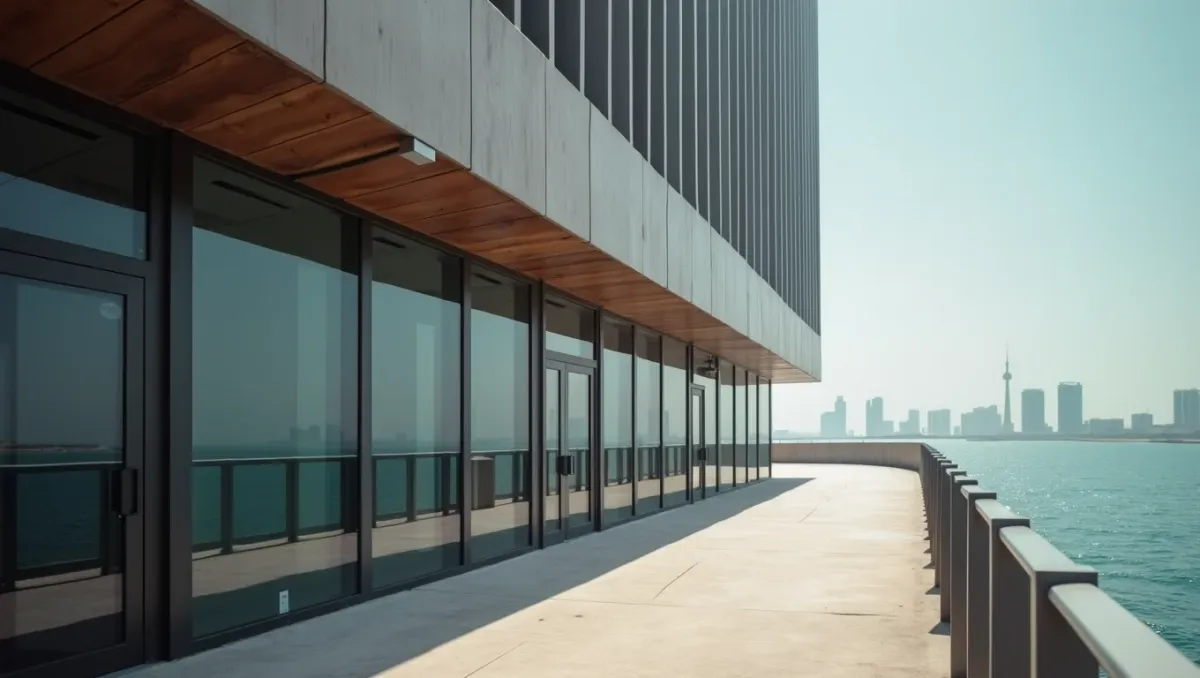
For commercial buyers, industrial developers, and institutional investors operating across the Kingdom of Saudi Arabia (KSA), UAE, Qatar, Kuwait, Oman, and Bahrain—the conversation around building standards has fundamentally shifted. It is no longer adequate to simply build a structure that meets minimum local code requirements; the market now demands proof of operational excellence and verifiable sustainability performance. If you are asking what LEED certification means for your investment, understand this: it signifies global best practice.
The question for GCC businesses is no longer whether to invest in sustainable infrastructure—it is how quickly you can recover your capital and begin treating energy efficiency, advanced water management, and superior indoor environmental quality as a competitive advantage rather than an overhead cost. In this landscape of mega-projects—from the industrial hubs of Jubail and KAEC to new urban centers in Riyadh and Jeddah—international certifications like LEED (Leadership in Energy and Environmental Design) have become the gold standard. They represent more than just a plaque on a wall; they are a comprehensive third-party validation that assures global investors and high-value tenants that an asset is built for resilience, optimized for long-term performance, and aligned with the most stringent international benchmarks.
What Is LEED Certification? A Global Standard for Green Construction
LEED certification is developed by the U.S. Green Building Council (USGBC) and serves as one of the world’s most recognized rating systems for sustainable building design and construction. At its core, it provides a structured framework that guides architects, engineers, contractors, and owners through the process of creating buildings that are environmentally responsible and profitable over their lifespan.
From an investment consultancy perspective, the value proposition of LEED is not inherent in any single green feature; rather, it lies in the holistic risk mitigation model it enforces. A building achieving high LEED status has been systematically vetted against criteria that force stakeholders to think beyond immediate construction costs (CapEx) and focus rigorously on lifecycle cost savings (OpEx). When you invest in a LEED-certified commercial asset, you are essentially purchasing an operational hedge against volatile resource prices—specifically energy and water—and against the escalating risks associated with climate change.
For large industrial loads utilizing three-phase power or managing massive office arrays, the financial impact of efficiency is immediate. A standard building consumes resources based on assumptions; a LEED-certified facility operates based on optimized performance models tailored for the Arabian Gulf's unique challenges. This optimization means lower utility bills, less downtime due to infrastructure stress (especially when dealing with SEC grid demands), and ultimately, a demonstrably higher Net Operating Income (NOI) for the asset owner.
Crucially, achieving this status requires deep collaboration across all disciplines—from selecting high-performance façade materials that manage solar gain in extreme heat, to integrating advanced HVAC systems optimized for water recycling. This level of rigorous planning reduces costly retrofits down the line and ensures predictable long-term operational performance.
Beyond Solar: The Pillars of Sustainable Design Measured by LEED
While solar energy integration is a critical component of modern sustainable infrastructure, LEED’s scope extends far beyond simply adding photovoltaic arrays. It addresses the entire ecological and operational footprint of the structure. These core pillars are designed to tackle the most significant resource drains in high-density commercial environments:
Energy and Atmosphere Efficiency
This is arguably the pillar with the most direct impact on a building’s bottom line. LEED mandates extreme scrutiny of energy consumption, requiring strategies that move far beyond simply installing solar capacity. Consideration includes optimizing HVAC systems for local climate loads, employing advanced controls to manage occupancy density, and ensuring the building envelope minimizes thermal transfer. For industrial clients in the Eastern Province, this translates directly into maintaining optimal process temperatures using less power, thereby improving productivity per unit of energy consumed.
Water Efficiency
In the Arabian Gulf region, where water scarcity is a defining characteristic of development, water management is not just a green feature—it is an economic imperative. LEED pushes for aggressive measures like greywater recycling systems and rainwater harvesting. From a financial standpoint, this pillar mitigates utility cost volatility and reduces dependence on increasingly stressed regional freshwater sources. For large campuses or mixed-use developments in Qatar or the UAE, the ability to recycle cooling tower blowdown or process water substantially lowers operational risk and expenditure.
Materials and Resources
This area focuses on reducing embodied carbon—the energy and emissions associated with manufacturing and transporting building components. LEED encourages the selection of locally sourced materials from within GCC countries and those with high recycled content. For large-scale commercial construction in Kuwait or Bahrain, this reduces supply chain risks and minimizes transportation costs across the Arabian Gulf. Furthermore, selecting durable, low-maintenance materials extends the asset's usable life, directly improving capital longevity.
Indoor Environmental Quality (IEQ)
This pillar addresses the human factor, which is critical for attracting high-caliber tenants in commercial districts like DIFC or Lusail. It encompasses everything from controlling volatile organic compounds (VOCs) in paints and finishes to optimizing daylighting strategies that reduce reliance on artificial lighting. A superior IEQ translates directly into improved employee health, reduced absenteeism, and higher tenant satisfaction—all quantifiable drivers of commercial property value.
Sustainable Site Development
Finally, the site itself must be considered. This involves managing stormwater runoff, promoting biodiversity, and minimizing the building's physical footprint on the surrounding land. For mega-projects that redefine entire urban landscapes in Saudi Arabia or Oman, this pillar ensures that development integrates responsibly with the natural environment.
Why Does LEED Matter in the GCC Market? Investment, Resilience, and Value
The commercial real estate market across the Arabian Gulf is characterized by immense capital flows and ambitious development timelines. In this high-stakes environment, adopting international standards like LEED moves an asset from being merely compliant to being truly premium.
Attracting Global Capital
For major investors—especially those with global mandates—LEED status acts as a prerequisite for due diligence. It signals that the project has undergone scrutiny by neutral, internationally recognized experts regarding its operational longevity and environmental performance. High LEED ratings significantly de-risk an investment from the investor's perspective, making it more attractive compared to assets lacking verifiable sustainability data.
Operational Resilience Against Climate Stress
The Gulf climate presents extreme challenges: intense heat loads, high humidity, and saline coastal air. These factors place massive stress on conventional mechanical systems. LEED standards force designers to engineer for this reality. By prioritizing advanced cooling efficiency and passive design strategies (such as optimized façade performance and natural ventilation pathways), the resulting structure is inherently more resilient. This resilience means fewer unexpected failures, lower emergency maintenance costs, and a steadier operational output year after year.
Consider the massive scale of development seen in the region. Mega-projects are defining new urban paradigms; they must meet global standards to be viable. The dedication shown by projects like Saudi Arabia’s NEOM—achieving high international certifications in its design phase—sets a clear precedent: sustainable excellence is now foundational, not optional.
Enhancing Long-Term Asset Value
The correlation between green certification and increased asset value is undeniable. Research consistently shows that LEED-certified buildings can achieve higher occupancy rates and command premium rental rates because they offer superior quality of life and lower utility costs to tenants. The financial benefit is multifaceted: the building is more marketable, less prone to obsolescence from changing environmental regulations, and its operational expenditure (OpEx) profile is demonstrably healthier.
For developers managing large industrial complexes or corporate headquarters in Jeddah or Riyadh, this premium value translates into faster Return on Investment (ROI). Instead of viewing sustainability as a cost center—a drain on the initial budget—it must be viewed as a strategic financial mechanism that enhances market position and guarantees long-term asset stability.
Integrating Sustainability: How LEED Supports Saudi Arabia's Vision 2030 Goals
National strategic visions, such as the ambitious goals set forth for Saudi Arabia’s economic diversification and sustainable development through Vision 2030, necessitate a fundamental shift in how infrastructure is conceived and financed. Green building certifications like LEED are not merely regulatory compliance; they are operational tools that help commercial entities align their physical assets with national strategic mandates.
The push for sustainability outlined by these national plans requires massive private capital to build highly efficient structures. A structure designed according to high LEED standards inherently supports the goals of economic diversification by creating world-class, modern workplaces capable of attracting global talent and investment outside of traditional sectors. Furthermore, they directly contribute to climate resilience—a core component of any long-term national strategy.
Lifecycle Cost Management and Maintenance Planning
A key aspect often overlooked in the excitement over certification is the sustained performance after handover. A true consultant must look at lifecycle costs. LEED forces early consideration of maintenance planning. For instance, choosing robust, durable façade materials that require less intensive cleaning or replacement cycles directly reduces long-term OpEx. Similarly, designing systems for easy access and modularity—such as advanced electrical infrastructure designed to handle future loads (e.g., integrating additional three-phase power capacity compliant with SEC standards)—ensures the facility can adapt without massive structural overhauls.
When calculating total ownership cost, an asset with superior lifecycle planning scores highly. This systematic approach is critical for managing large arrays and complex industrial loads where downtime due to component failure represents a significant loss of revenue per hour. Proactive design, mandated by LEED, minimizes these unpredictable capital expenditures over decades.
The Financial Value of Local Expertise
The maturation of the green building sector in the Arabian Gulf is evident through local leadership. The success and recognition achieved by national centers like KAPSARC highlight that leading regional institutions are already achieving exemplary performance ratings, proving that world-class sustainability can be executed effectively within the GCC context. This demonstrates a growing local expertise base capable of delivering these standards.
In conclusion, for commercial buyers evaluating significant investments in the region, LEED certification represents verifiable proof that the building is designed not just to function today, but to thrive efficiently and profitably decades into the future, perfectly aligning private capital goals with national sustainability ambitions. It elevates a mere construction project into a strategically optimized, high-performing asset.
- Risk Mitigation: LEED shifts focus from initial build cost (CapEx) to predictable operational expenditure (OpEx), mitigating risks associated with resource scarcity and utility price volatility in the Arabian Gulf.
- Investment Premium: Certification serves as a globally recognized quality seal, making the asset more attractive to premium international capital and securing higher rental yields across KSA, UAE, and Qatar.
- Climate Resilience: By mandating strategies for extreme heat, saline coastal air, and water conservation, LEED-compliant assets are inherently designed to withstand the unique operational challenges of the Arabian Gulf climate.
- Strategic Alignment: It ensures that commercial development directly supports national goals—such as economic diversification and sustainable infrastructure growth—making it a strategic investment decision aligned with Vision 2030 objectives.
Related articles
- Advanced Detailing for Energy Resilience: Creating Dimensionally Accurate Insulation Hatches in KSA
- Optimizing Performance: A Buyer's Guide to Selecting High-Efficiency Sustainable Building Materials in the Arabian Gulf
- The Strategic Imperative of Green Building Solutions in Riyadh’s Next Growth Cycle
- Understanding the Green Building Rating System for GCC Projects
- Achieving the Highest Level of LEED Certification in the Gulf
Explore topics: Leed Certification, Green Building, Saudi Arabia, Gcc
The information in this article is for educational purposes only. Always verify specifications, availability, and suitability with a qualified supplier or engineer before making purchasing or installation decisions. Consult local grid operators (e.g., SEC) regarding voltage standards (220V/60Hz KSA).



