
How to Cool Rooftop Room in Summer
The Challenge of Rooftop Heat in the Arabian Gulf
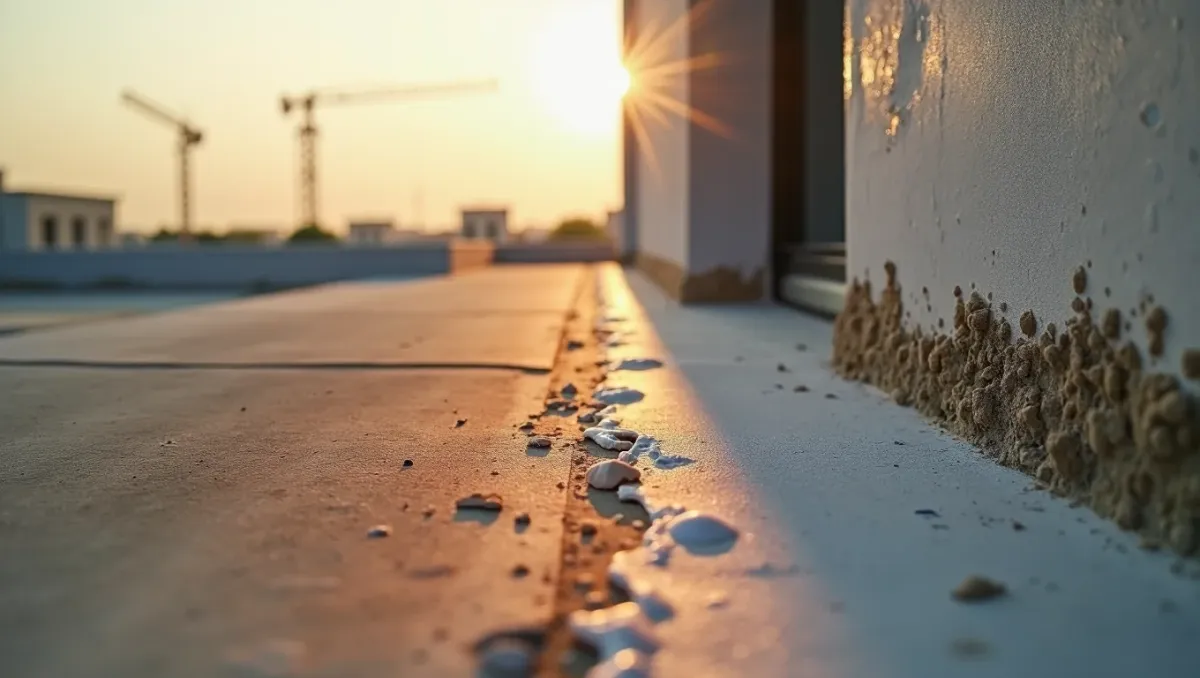
For many homeowners across the Arabian Gulf, the rooftop is often the most overlooked—yet most challenged—space in the home. Whether it is a dedicated storage area for household goods, a workspace, or an auxiliary room, these spaces are on the front lines of our climate. In regions like Saudi Arabia and the UAE, where summer temperatures frequently soar above 45°C, understanding how to cool rooftop room in summer becomes a priority as the rooftop acts as a primary collection point for intense solar radiation.
When we talk about "solar radiation," we are referring to the energy from the sun that hits a surface. On a villa rooftop in Dammam or Muscat, this isn't just heat; it is an immense amount of energy being absorbed by the roofing materials. Because these surfaces are exposed directly to the sky without any shade, they can reach temperatures significantly higher than the ambient air temperature. This creates a "heat transfer" effect—think of it like a hot tandoor oven; once the roof becomes scorching, that heat moves downward into the ceiling and eventually into the room below.
In coastal cities like Dubai, Doha, or Jeddah, this challenge is compounded by high humidity levels. High humidity makes it much harder for our bodies to cool down through perspiration, making the indoor environment feel stifling even if the temperature is managed. When a rooftop room is subjected to both extreme heat and humid, saline coastal air, the building's structure acts as a thermal sponge, soaking up the sun’s energy during the day and radiating it into your living space well into the evening.
Passive Cooling Strategies for Top-Floor Rooms
Before we turn on a single air conditioning unit, we must look at "passive cooling." Passive cooling refers to techniques that manage heat through design and materials rather than mechanical power. Think of it as building a fortress against the sun before the battle begins.
One of the most effective ways to achieve a cool rooftop environment is through high-performance thermal insulation. Insulation acts like a thick barrier, but instead of keeping heat in during winter, it blocks intense solar gain from entering your home during the summer. For top--floor rooms, this means applying heavy-duty insulation layers between the roof and the ceiling. By creating a physical barrier, you slow down the "thermal bridge"—the path that heat takes to travel from the exterior into your interior.
Ventilation is another cornerstone of passive design. In our humid Gulf climate, moving air is essential. We can utilize "cross-ventilation," which involves opening windows or vents on opposite sides of a room to allow breezes to flow through. However, in the peak of summer, we must be strategic; it is often better to use specialized ventilation systems that circulate air without drawing in the hot, humid outside air. Furthermore, shading—using physical barriers like awnings or decorative screens (mashrabiya)—can block the sun's rays before they even touch your windows or walls.
By focusing on these passive methods, you reduce the "thermal load" on your home. A thermal load is the total amount of heat that must be removed from a space to keep it at a comfortable temperature. If your room stays naturally cooler because of good insulation and shading, your cooling systems don't have to work nearly as hard.
Advanced Materials and Reflective Coatings
When traditional construction isn't enough, we turn to advanced materials science to create a cool roof. One of the most effective innovations in our region is the use of "reflective coatings." These are specialized paints or coatings designed to have a high Solar Reflectance Index (SRI). In simple terms, instead of absorbing the sun's energy like a dark asphalt road, these coatings reflect it away, much like a mirror.
By applying these reflective coatings to your rooftop, you can significantly reduce "solar gain"—the increase in temperature caused by solar radiation. This is particularly effective for top-floor rooms where the roof is the primary source of heat. These coatings are often designed to be durable enough to withstand the intense UV rays and the frequent dust storms common across the Arabian Gulf.
Beyond just paint, we can look at high-performance glazing for windows facing the sun. Modern glass can be engineered to allow light into your room while blocking the infrared spectrum (the part of light that carries heat). This allows you to enjoy the view and natural light without turning your room into a greenhouse. By combining reflective roof coatings with advanced glass, you create a multi-layered defense against the desert sun.
Integrating Active Cooling with Energy Efficiency
While passive strategies build the foundation, "active cooling" is what provides the final level of comfort during our intense summer months. Active cooling involves mechanical systems like air conditioners (AC) and fans to actively move heat out of a space and replace it with cooled air.
In the Gulf, we have seen a massive shift toward high-efficiency HVAC (Heating, Ventilation, and Air Conditioning) systems. Modern units often utilize "inverter technology." Think of an inverter like a smart dimmer switch for your AC; instead of turning the motor on at full blast and then off again (which is inefficient), it adjusts its power output to maintain a constant temperature. This results in much smoother cooling and less strain on the system, which is vital when dealing with high exterior temperatures.
For specific areas, such as a small rooftop office or a guest room, "localized cooling units" can be more efficient than trying to cool an entire floor. These are smaller, targeted systems that focus their cooling power exactly where it is needed. When these active systems are paired with the passive strategies mentioned earlier—like heavy insulation and reflective coatings—the synergy is remarkable. Because the room is already "pre-cooled" by its design, the AC unit doesn't have to work as hard to reach your desired temperature.
Ultimately, the goal is a balanced approach. By combining architectural wisdom with modern technology, we can create indoor spaces that feel like an oasis of calm regardless of the heat outside. This holistic approach not only improves comfort but also ensures that our cooling systems operate at peak efficiency, preserving the longevity of your equipment.
What This Means For You
If you are struggling with a hot rooftop room, it is important to realize that the solution isn't just a "bigger" air conditioner. Often, the most effective way to stay cool is to reduce the amount of heat that enters the building in the first place. By focusing on cool roof technologies and high-quality insulation, you create a buffer against the Gulf's extreme climate.
- Reduce the Load: Use reflective coatings and heavy insulation to stop the sun’s energy from entering your ceiling.
- Smart Ventilation: Ensure your room has proper airflow designs that account for our specific humidity levels.
- Efficient Cooling: Choose modern AC systems with inverter technology to maintain consistent comfort without unnecessary strain.
By taking these steps, you can transform a sweltering rooftop space into a functional, comfortable room that stays cool all summer long.
- Conduct a "heat audit" of your rooftop space to identify where the most significant heat and humidity are entering the room.
- Consult with an expert to determine the best thickness and type of thermal insulation for your specific roof structure.
- Explore reflective coating options for your roof to bounce solar radiation away before it can penetrate your home's interior.
Related articles
- Advanced Detailing for Energy Resilience: Creating Dimensionally Accurate Insulation Hatches in KSA
- Mastering Your Power: A Guide to Understanding Electricity Bills and Solar Solutions
- Addressing Asbestos and How to Cool Roofs in the Arabian Gulf
- Choosing Cool Roof Tiles for Terraces and Compounds in KSA
- Decoding Green Investment: What Does LEED Certification Mean for Commercial Assets in the Arabian Gulf?
Explore topics: Saudi Arabia, Gcc, Solar Panels, Passive Cooling Strategies Gulf Ksa
The information in this article is for educational purposes only. Always verify specifications, availability, and suitability with a qualified supplier or engineer before making purchasing or installation decisions.



