
Mastering Your Power: A Guide to Understanding Electricity Bills and Solar Solutions
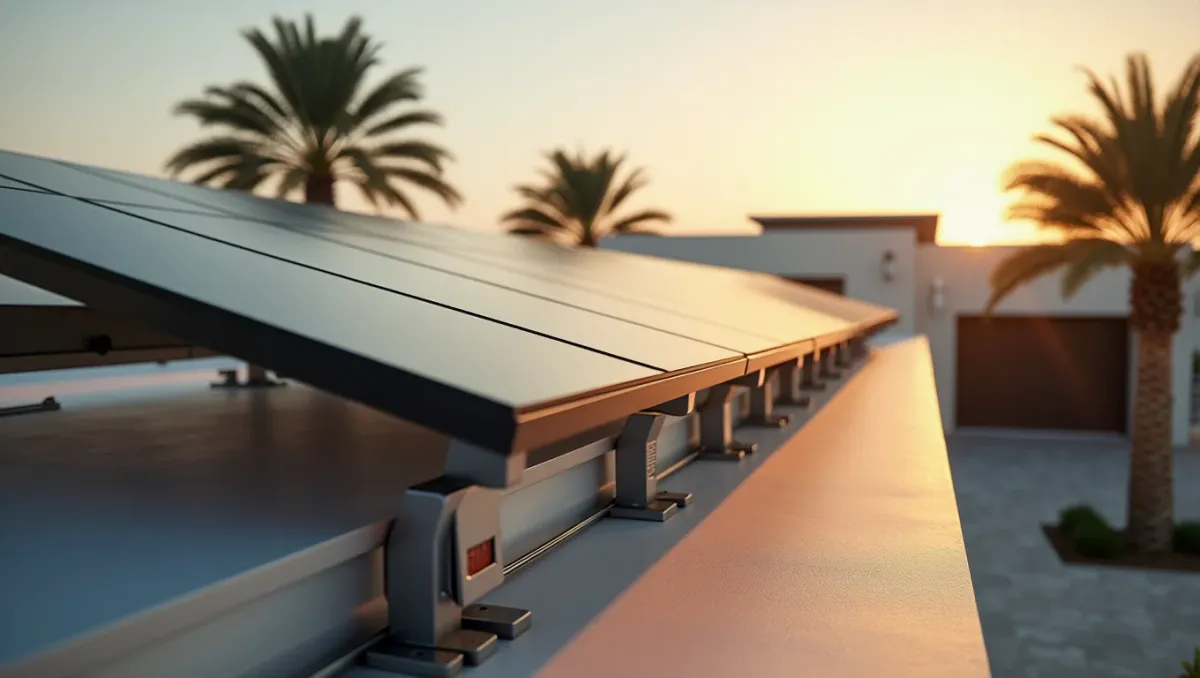
If you live anywhere beautiful and sunny, particularly across the Arabian Gulf region, your compound or villa is constantly being bathed in incredible energy. It's a powerful resource that powers everything from air conditioning units to kitchen appliances. But this immense power comes with an equally powerful consequence: electricity bills.
For many homeowners across Saudi Arabia, understanding your saudi electricity company bill check process is the first step toward energy security. Managing power consumption is not just about paying a bill; it's about ensuring comfort and security in an environment defined by extreme heat. You might look at that monthly statement—the one detailing your usage—and feel a pang of worry. Where does all this money go? How can I maintain powerful cooling without watching my budget evaporate?
This guide is designed to be your friendly, educational companion on the journey of understanding where your power comes from and how you can take back control. We won't just look at paying bills; we will explore how smart efficiency upgrades and harnessing the sun’s natural bounty—with KSA boasting an average irradiance around 6 kWh/m²/day—can fundamentally change the equation of energy ownership in your villa or compound.
Understanding Your Saudi Electricity Bill: A Consumer’s Guide to Tariffs and Usage
Before you can optimize your power usage, you must first understand what utility companies are actually billing you for. Think of your electricity bill not as a single number, but as a detailed report card on your energy consumption.
How to Check Your Bill Online
In today’s advanced Gulf market, the process of checking and paying bills is incredibly streamlined. You no longer need to visit physical offices or wait for paper statements in the heat. The quickest way to get a clear picture of your usage is through official digital channels.
We highly recommend familiarizing yourself with the designated local utility apps (such as the official "Alkahraba" app) and the provider’s dedicated websites. These platforms allow you to check your bill details instantly, sometimes just by entering a simple meter number or using a registered account. The benefit of these digital services is that they give you visibility: you can track your consumption trends month over month, which is crucial for identifying patterns of waste in Riyadh, Jeddah, or the Eastern Province.
Decoding the Billing Components
When you open up that detailed statement, it looks like a foreign language filled with acronyms and numbers. But don’t worry; we are here to translate! Generally, your bill will be broken down into several key components:
- Usage Tariffs: This is the core of the bill. It measures how much energy (measured in kilowatt-hours, or kWh) you actually consumed during the billing period. Utility companies often use tiered tariffs, meaning that as your consumption increases, the price per unit might increase.
- Service Charges: These cover the costs associated with maintaining the infrastructure—the poles, the wires, and the meter itself. They are charges for the utility’s ability to deliver power, regardless of whether you used a lot or a little.
- Taxes and Levies: Like any major transaction, there are governmental taxes applied. These funds support various public services and infrastructure projects across the country.
The most important takeaway here is this: your effort to save energy directly reduces the amount charged under the Usage Tariffs section. Understanding these components helps you shift your focus from "How much will I pay?" to "How can I lower my actual usage (kWh)?"
The Hidden Energy Drain: Pinpointing Inefficiencies in the Gulf Compound
Once we understand *how* the bill is calculated, the next question is: where is all that energy actually going? For homeowners living in the Arabian Gulf climate—a region of intense sun and summer peaks of 50°C—the answer usually points to one major culprit.
The Reign of Cooling Loads
Because of the relentless high temperatures, your Heating, Ventilation, and Air Conditioning (HVAC) system is not just an appliance; it is a life necessity. Consequently, in almost every Gulf residential compound or commercial district, HVAC systems are statistically the single largest energy consumer.
However, simply running the air conditioner 24/7 doesn't tell the whole story. Energy drains happen quietly—the "hidden drain." These inefficiencies act like a leaky tap on your roof: they waste electricity slowly and constantly, leading to higher bills than you expect.
Common Culprits of Waste
- Air Leakage: Every gap under a door, around a window frame, or where two building sections meet is an opportunity for hot, outside air to sneak into your cool home. This forces your HVAC system to work harder and longer than it should.
- Poor Insulation: If your villa's walls, roof, or floor lack adequate insulation (a material designed to slow down the transfer of heat), the intense heat from the exterior will constantly seep into your house, making the A/C battle much tougher for your system.
- Phantom Load / Standby Power Loss: Do you unplug your TV and chargers when you leave? Many electronics consume a small amount of power even when they are turned "off" or in standby mode. While tiny individually, this cumulative draw adds up over weeks, draining energy without providing any comfort or function.
To summarize: The challenge isn't just the heat; it’s the battle against that heat and how easily the house allows it to get inside.
Smart Savings Strategies: Efficiency Upgrades Before Generation
Here is where most homeowners make a common mistake. When they look at their high bill, they immediately think of "I need more power!" and jump straight to solar panels. But an experienced energy educator knows that the smartest, most cost-effective step always comes first: efficiency.
Think of it this way: If you are trying to fill a leaky bucket with expensive water (electricity), buying a bigger hose (solar panels) won't help if the holes in the bucket remain. You must fix the leaks first!
The Power of the Upgrade
Focusing on efficiency means making structural and behavioral changes that reduce your overall energy demand, or load. This is where significant savings can be found without spending a penny on generation equipment.
- Sealing and Insulation: Investing in high-quality weather stripping for doors and windows, along with proper roof insulation, dramatically reduces the cooling load required by your HVAC system. It’s like giving your home an invisible barrier against the harsh desert heat of the Arabian Gulf.
- Smart Thermostats: These are smart controllers that learn your household's patterns. Instead of simply running the AC at maximum capacity 24/7, they can automatically raise or lower the temperature when the compound is empty, ensuring comfort only when needed and saving energy during peak times.
- Appliance Audit: When replacing old appliances (like refrigerators or air conditioners), always look for high-efficiency ratings. These modern units use significantly less power to provide the same level of cooling compared to models from even a few years ago.
By implementing these efficiency upgrades, you are essentially shrinking your total energy requirement. This makes any future investment in solar power smaller, simpler, and much more cost-effective.
Taking Control of Your Power: How Solar and Storage Change the Utility Equation
Once you have optimized your home—making it as efficient as possible—you are ready for the final step: generating your own clean energy. This is where solar photovoltaic (PV) systems come into play.
Understanding Self-Generation
A self-generation system means that a significant portion of your electricity comes from an independent source—in this case, sunlight hitting photovoltaic panels (the panels themselves). When the sun shines, these panels convert light directly into direct current (DC) electricity. This DC power is then fed through an inverter, which acts like a translator between your panels and your home's appliances. The inverter converts the DC electricity into alternating current (AC) electricity—the type of power used by standard household outlets.
This shift is more than just about saving money; it’s about energy security. As regional economies embrace goals like Saudi Vision 2030, there is a growing emphasis on energy independence. Generating your own power makes your home less reliant on the centralized grid and its fluctuating resources.
The Role of Battery Storage
What happens when the sun goes down? The panels stop producing power! This is where battery storage becomes critical. A battery bank acts like a giant, rechargeable reserve tank for electricity. During the day, any excess energy generated by your solar panels (more than what your house needs at that moment) gets stored in the batteries. At night, when the sun isn't shining, the inverter draws power from these stored batteries to keep your lights on and your air conditioning running.
In short, a complete system—panels + inverter + battery storage—allows you to capture 24/7 energy independence using only the sun’s gift. Instead of viewing utility bills as an unavoidable expense, they become a manageable surplus that can be covered by your own roof-mounted power.
The Path to Energy Mastery
The journey to energy mastery is a three-step cycle, and it starts with awareness:
- Measure: Use digital tools like the official utility apps to understand exactly what you use (kWh) and how your bill is structured.
- Optimize: Focus intensely on making structural improvements—sealing leaks and improving insulation—to reduce your total energy requirement before considering any equipment upgrades.
- Generate: Once optimized, installing solar PV panels allows you to generate reliable, clean power that drastically cuts down your reliance on the utility grid, providing financial resilience against future price changes and boosting your home’s self-sufficiency.
Ready to take control of your power?
Making the transition to energy independence is a significant step, but by approaching it methodically—understanding the bill first, optimizing usage second, and generating power third—you ensure that every riyal spent on solar equipment is working as hard as possible for you. You are moving from being simply a consumer of electricity to becoming an active participant in your home’s energy ecosystem.
- Conduct a Home Energy Audit: Before researching solar, identify major leakage points (windows, doors) and check the insulation levels of your roof and walls.
- Review Appliance Efficiency: Plan to upgrade older, high-draw appliances (especially A/C units) with those that carry modern high-efficiency ratings.
- Consult a Specialist: Once you have minimized your energy needs through efficiency upgrades, consult a qualified local engineer who can design a system tailored specifically to your optimized home load and advise on net metering programs with SEC or SEWA.
Related articles
- How to Cool Rooftop Room in Summer
- Harnessing the Sun: Your Guide to Renewable Energy Powering a Sustainable Future in the Arabian Gulf
- How to Save Electricity in the Arabian Gulf
- IRENA Issues Call for Renewable Energy Acceleration
- Navigating the Rooftop Solar Application Process in the Gulf
Explore topics: Saudi Arabia, Financing, Solar Panels, Energy Efficiency
The information in this article is for educational purposes only. Always verify specifications, availability, and suitability with a qualified supplier or engineer before making purchasing or installation decisions.



