
Harnessing the Sun: Your Beginner's Guide to Rooftop Solar Power in the GCC
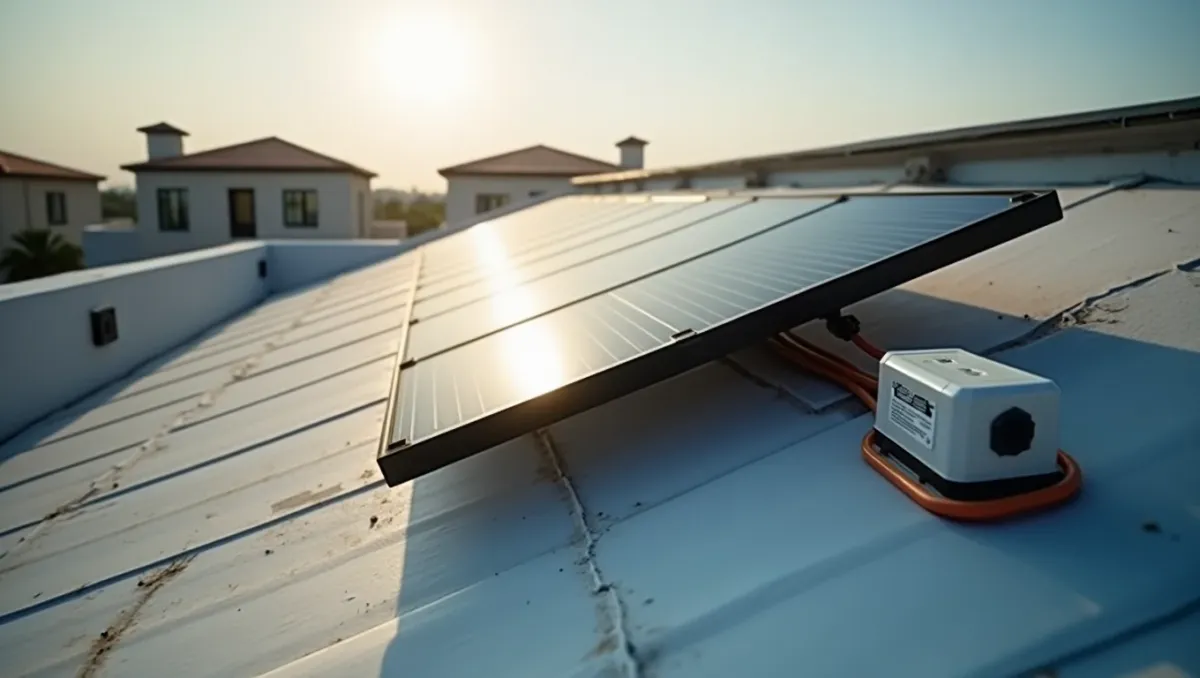
If you live anywhere across the Arabian Gulf, you know what it means when the sun rises. It’s powerful, relentless, and absolutely essential to life here. We are blessed with some of the most incredible natural resources on Earth—the sunshine itself. For generations, we have relied on this gift, but now, we have an opportunity to use it in a smarter, more self-sufficient way: by harnessing it right above our own compounds.
For many Gulf homeowners, the concept of "solar power" might sound futuristic or complicated. But I promise you, understanding how rooftop solar works is simpler than optimizing your AC settings during peak summer heat. It’s about connecting a profound natural resource—the sun—to your daily life in a way that makes sense for modern living and helps protect our beautiful environment.
Understanding Rooftop Solar: A Beginner’s Guide
What exactly is rooftop solar? Simply put, it is the process of installing photovoltaic (PV) panels on the roof of a residential villa or compound to convert sunlight directly into usable electricity for your home. When people talk about "solar," they are usually referring to this entire system—the panels, the wiring, and all the necessary components that make it work.
Think of your roof as prime real estate. Since you already own the structure and the land beneath it, installing solar panels is often the most practical way for a homeowner to generate power directly where they need it. These systems are ideal for the Gulf climate because while the heat can seem intimidating, the very intensity that makes us feel hot (reaching 45°C+ in summer) provides unparalleled energy potential.
Unlike some forms of renewable energy that require consistent movement (like wind), solar panels sit still, patiently soaking up the intense radiation of the sun all day long. This predictability—the sheer volume of clean energy available from a stable source like the sky—is why it is so perfect for our region.
A key benefit to keep in mind is that this power generation is decentralized. Instead of relying on one massive, distant power plant (which can be vulnerable or subject to transmission losses), your home becomes its own micro-power station. It’s energy independence delivered directly to your villa in areas like Riyadh, Jeddah, or the Eastern Province.
Why the GCC is a Prime Location for Solar Power
When we look at global solar potential, the Gulf region doesn't just rank highly; it often sets the standard. We are blessed with some of the highest levels of irradiance globally. If you’ve heard that term before, don't worry—it sounds technical, but it simply means the amount of sun energy hitting a specific area over time.
High solar irradiance is our greatest asset. For Saudi Arabia alone, we receive consistently high amounts of daily solar radiation. This means that even though the heat can be intense, the panels are receiving an incredibly rich and consistent supply of raw power potential every single day. This makes the return on investment very compelling compared to regions where cloud cover or seasonal changes might interrupt the energy flow.
This deep synergy between our climate and solar technology is also fueling massive change in the region. Global discussions around energy security are leading countries, like those spearheading initiatives such as Saudi Vision 2030, to heavily promote decentralized power generation. This isn't just a trend; it’s becoming an integral part of modern infrastructure planning across cities from Jubail to KAEC.
The intense heat often leads people to assume that solar panels will degrade quickly or become inefficient in the heat. While high ambient temperatures do require specialized components and careful design—especially considering the challenges posed by haboob storms and saline coastal air—modern systems are designed specifically for this environment. The technology has matured precisely so that it can withstand, and thrive in, the challenging but rewarding conditions of the Gulf.
How Your Home Goes Off-Grid (Simplified System Components)
This is where things get slightly more technical, but please bear with me; I promise to explain every piece like we are talking about household appliances. A residential solar system isn't just a stack of black panels on your roof. It’s an interconnected ecosystem of components working together.
The Photovoltaic (PV) Panels
These are the physical solar panels you see mounted on the roof. They contain semiconductor materials that capture sunlight and convert it directly into Direct Current (DC) electricity. DC power is the type of electricity that batteries use and what the panels naturally produce.
The Inverter
Think of your solar inverter like the translator between your panels and your home—without it, all that energy the sun provides would simply have nowhere useful to go. Your house appliances, lights, refrigerator, and modern electronics run on Alternating Current (AC) electricity. The raw DC power from the panels must be converted into usable AC power for your home’s circuits. That conversion job belongs entirely to the inverter.
The inverter is perhaps the most critical piece of equipment because it dictates how efficiently and safely that power moves through your system, ensuring compatibility with local grid standards.
The Battery Storage System
This component acts like a massive, smart rechargeable cupboard for electricity. When the sun shines brightly at noon, producing more energy than you need, the excess power charges the batteries. Then, when the sun sets and the light fades (or during periods of low generation), the batteries release that stored DC power back into your home’s circuits via the inverter. This storage capability is what gives homeowners true energy resilience.
A complete system includes these three core elements—Panels generating DC, the Inverter converting it to AC, and the Battery storing it for later use—all working together to ensure continuous, reliable power flow throughout your day.
Making the Switch: Steps to Implementing Solar at Home in the GCC
Moving from simply understanding solar theory to actually having panels on your roof can seem like a daunting journey. However, when you break it down into manageable steps, it becomes surprisingly straightforward. The process is structured to ensure safety, efficiency, and compliance with local regulations.
Step 1: Feasibility Study and Site Assessment
The first step involves an expert looking at your specific roof structure and geographical location in the Gulf (e.g., a villa compound in Sharjah). They assess everything: the angle of your roof, the available unshaded area (measured in square meters, or m2), the direction the panels should face to maximize sun exposure, and any potential structural limitations.
This study helps determine exactly how much energy your home needs and how large a system (how many panels) will be required. It's like an architect drawing up plans before building; it ensures everything fits perfectly and efficiently.
Step 2: System Design and Component Sizing
Based on the feasibility study, engineers design the optimal layout. They calculate how much power (measured in kilowatts, or kW) you need to generate relative to your household’s peak consumption. At this stage, they size the panels, select the appropriate inverter capacity, and determine the necessary battery storage size. This step is crucial for maximizing efficiency while ensuring compatibility with local grid regulations.
Step 3: Permitting and Approvals
Because solar systems connect to your home's main electrical grid (even if you use batteries), navigating local permitting is essential. Qualified installers manage these applications, ensuring the system meets all national and municipal safety standards. This step guarantees that when you flip the switch, everything is safe and compliant.
Step 4: Installation
This is where the physical work happens. Trained professionals secure the racking (the structure holding the panels) to your roof, mount the PV panels, run the necessary wiring, install the inverter near a central electrical point, and finally connect the battery bank. The entire process must be systematic to maintain safety standards.
Step 5: Commissioning and Monitoring
Once installed, the system undergoes rigorous testing (commissioning). Finally, you are connected to a monitoring system that allows you—and your service provider—to track exactly how much energy is being generated every day. This ongoing feedback loop helps you understand your consumption patterns and maximize savings over time.
What This Means For You
Adopting solar power isn't just about being green; it’s a smart financial move tailored for the Gulf lifestyle. By generating your own electricity, you are insulating yourself from the rising costs associated with centralized energy sources and mitigating the impact of high utility bills that affect every household in the UAE or KSA. Furthermore, by using this abundant local resource, you contribute directly to environmental stewardship, reducing the carbon footprint associated with traditional power generation.
The shift toward solar is a move towards greater energy resilience—a comfort that knowing your essential power source comes from above, regardless of external factors, provides.
Getting Started: Your Next Steps
If the idea of bringing clean, reliable power to your home excites you, here are three simple action steps you can take right away:
- Review Your Energy Habits: Start by tracking your electricity usage for a month. Understanding when and how much power your biggest appliances (like AC units or water heaters) consume will help professionals size the system correctly from day one.
- Inspect Your Roof Potential: Walk around your roof and make a mental note of any areas that appear consistently unshaded throughout the day. This initial observation helps you visualize where the best solar harvesting spot might be on your compound.
- Consult an Expert for a Preliminary Assessment: Reach out to qualified energy professionals who can perform a preliminary, no-obligation feasibility study. They can give you a basic idea of your home's potential and what the next steps in the process will look like across the GCC.
Related articles
- best off-grid solar system for home
- Harnessing Renewable Energy: Powering KSA's Vision 2030 Future
- Powering Tomorrow: Saudi Arabia’s Pivotal Shift to Renewable Energy
- Solar Energy in Saudi Arabia by 2030: The Vision and the Opportunity
- The Utility Advantage: A Commercial Buyer’s Guide to Solar Farm Investments in Saudi Arabia
Explore topics: Gulf, Renewable Energy
The information in this article is for educational purposes only. Always verify specifications, availability, and suitability with a qualified supplier or engineer before making purchasing or installation decisions.



