
Harnessing Deep Blue: The Strategic Investment Case for Offshore Wind in the Arabian Gulf
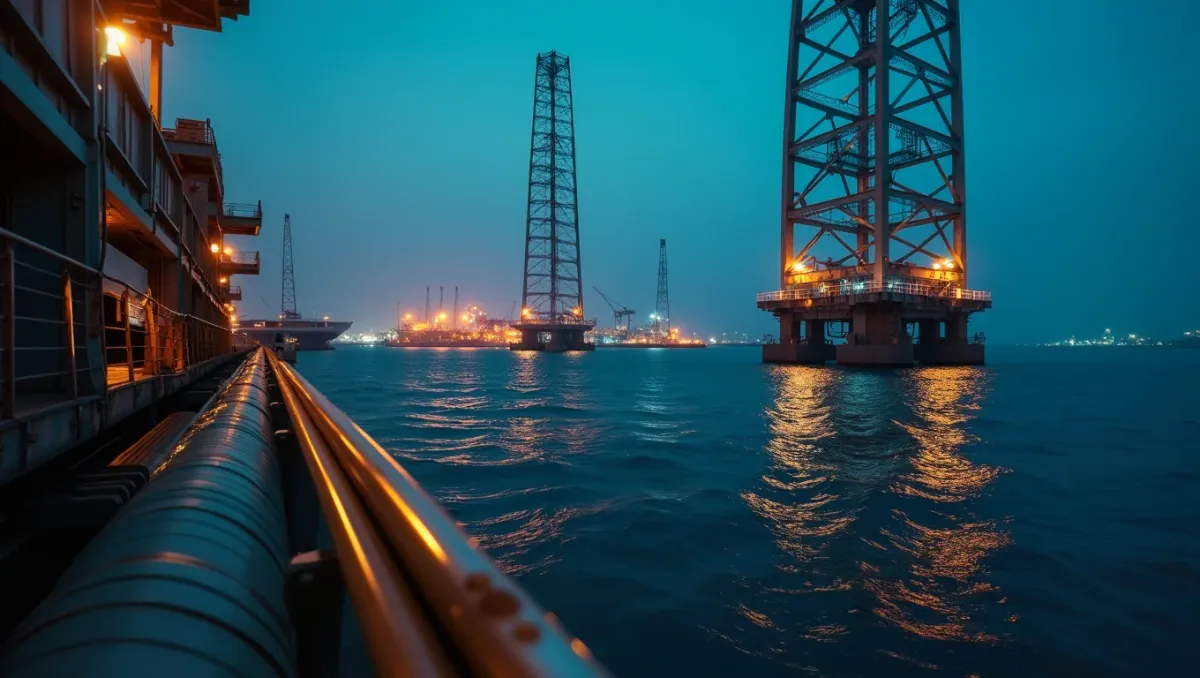
For businesses across the Kingdom of Saudi Arabia (KSA), the question is no longer *if* to invest in alternative energy—it is how quickly we can recover capital and begin treating reliable power as a competitive advantage rather than an escalating overhead cost. As global industrial demand accelerates and regional economies pivot through Vision 2030, stable, large-scale power generation becomes a critical strategic asset for cities like Jeddah, Riyadh, and the Eastern Province.
For decades, hydrocarbons powered the Gulf's remarkable growth. However, sustained long-term economic resilience demands a rapid transition to diverse, low-carbon energy sources. Among these options, offshore wind represents an emerging frontier of immense potential. It offers massive resource availability coupled with the sheer scale necessary to power industrial mega-projects—a capability that terrestrial solar arrays and even onshore wind often struggle to match due to land constraints.
This analysis moves beyond mere technical feasibility. We examine the strategic investment pathway: how global lessons from pioneering deepwater markets inform and de-risk the development of world-class offshore wind farms across the Arabian Gulf, making power generation a reliable engine for industrial diversification.
What is Offshore Wind? Understanding Large-Scale Marine Energy Generation
Offshore wind energy harnesses the consistent kinetic power of winds over large bodies of water. Unlike terrestrial solar or onshore wind, which are subject to land acquisition limitations and variable local conditions influenced by dust (such as haboob storms) and saline coastal air, offshore sites offer high capacity factors—meaning they generate electricity at a higher percentage of their theoretical maximum output over time. This predictability is paramount for industrial consumers who rely on stable baseload power for complexes in Jubail or KAEC.
From an operational efficiency standpoint, the sheer scale of marine arrays allows developers to construct gigawatt-scale facilities necessary for powering entire industrial clusters, petrochemical complexes, and large desalination plants simultaneously. When discussing commercial viability, the focus shifts immediately to reliability and predictable output profiles that can integrate seamlessly with the existing grid infrastructure managed by local utility operators.
Technical Deep Dive: Fixed vs. Floating Platforms
The technology employed is dictated by water depth, which critically influences Return on Investment (ROI) calculation and infrastructure complexity:
- Fixed Bottom Structures: These platforms are anchored directly to the seabed and are suitable for relatively shallow continental shelves. They represent a mature engineering solution but restrict deployment areas to specific coastal zones.
- Floating Offshore Wind Turbines (FOWT): This is the game-changer for deepwater markets, particularly those found across much of the Arabian Gulf. FOWT utilizes semi-submersible or spar platforms that float on the water column, tethered to the seabed. These systems unlock access to vast, deep-ocean resources previously considered unattainable by fixed structures.
For the ambitious energy portfolio envisioned in KSA and the wider GCC, especially those targeting deep coastal waters, FOWT represents a technology that significantly expands the addressable market and helps mitigate geographical limitations.
The Economic Case for Deepwater Wind: Learning from Global Mega-Projects
Analyzing investment trajectories through historical precedents provides invaluable risk mitigation data. Development efforts in deep, open-ocean environments—as seen globally—offer a powerful case study for large-scale project execution required to support industrial growth.
The economic drivers here are fundamentally tied to energy security and industrial resilience. By developing offshore capacity, nations diversify their generation portfolio away from centralized fossil fuel infrastructure, significantly strengthening grid stability across the national network. This diversification allows industries in compounds and mega-cities to plan capital expenditure cycles with greater confidence in long-term power availability.
Comparative Analysis: Global Lessons for the Arabian Gulf
While the physical characteristics of other deepwater basins differ significantly from the shallower shelf areas and enclosed seas of the Persian/Arabian Gulf, the strategic lessons remain universal:
- The Necessity of Deepwater Expertise: Successful development in deep waters mandates advanced floating technology. This reinforces the immediate focus on FOWT as a highly scalable solution for the Arabian Gulf’s potential resource base.
- Managing Scale and Intermittency: Mega-projects require massive power transmission infrastructure (3-phase grids) capable of handling multi-gigawatt outputs. The commercial model must account for integrating this variable source alongside stable baseload sources to maintain peak operational efficiency across the industrial load centers.
- Supply Chain Maturity and Local Content: Large deployments necessitate robust, regionalized supply chains—from specialized marine vessels to component manufacturing—reducing reliance on single points of failure and optimizing high-value local job creation. This aligns with national economic diversification goals.
The takeaway for the Arabian Gulf is clear: we must adopt the *strategic planning rigor* developed in deepwater markets while tailoring the technology stack (FOWT) and supply chain integration to our unique geographical and operational parameters.
Bridging the Gap: Transferring Global Best Practices to the KSA Market
Translating global best practices into a viable local investment model requires addressing operational challenges inherent to marine environments, particularly those exacerbated by the region’s extreme climate. These are not merely technical hurdles; they translate directly into lifecycle costs and potential ROI reduction if unmitigated.
Addressing Unique Marine Environmental Challenges
- Corrosion Mitigation: The highly saline, humid environment accelerates material degradation. Investment planning must allocate for sophisticated anti-corrosion coatings and cathodic protection systems across all submerged structures (foundations, cables, moorings).
- Biofouling Management: Marine growth on turbine surfaces and underwater assets reduces aerodynamic performance and increases drag. Lifecycle cost models must incorporate routine, non-disruptive maintenance strategies to manage biofouling effectively in coastal waters.
- Extreme Weather Resilience: The structures must be designed not just for average conditions but for the statistical tail of extreme weather events (high wave heights, intense winds). This structural over-engineering is a prerequisite for bankability and long-term operational security required by utility operators.
Maintenance Planning and Lifecycle Cost Management
A critical component often underestimated by investors is the total lifecycle cost (LCC). LCC encompasses more than just initial capital expenditure. It includes predictive maintenance, scheduled deep-water inspections, cable monitoring, and replacement costs for major components after defined operational spans. Successful investment requires transitioning from reactive repairs to proactive, condition-based monitoring using advanced sensor technology. This approach minimizes downtime—the single greatest threat to project ROI in a high-demand market.
Policy Pathways: Making Offshore Wind a Reality in GCC Mega-Projects
No matter how mature the underlying technology or how favorable the wind resource, offshore wind cannot succeed without robust governmental support and clear regulatory pathways. Policy is the foundational pillar of investment certainty for sovereign capital.
The Strategic Mandate for Investment Certainty
Commercial buyers require Power Purchase Agreements (PPAs) that are stable, long-term, and backed by sovereign guarantees. The policy framework must de-risk the project from political volatility and market fluctuations, making large-scale investment attractive to global institutional capital.
Key policy elements required for successful offshore wind deployment include:
- Streamlined Permitting: Establishing a single point of contact (a "One Stop Shop" regulatory body) that coordinates environmental assessments, maritime spatial planning, and grid interconnection dramatically reduces project timelines and associated soft costs.
- Grid Modernization Mandates: Governments must commit to upgrading transmission infrastructure to handle the massive influx of decentralized power from offshore arrays, ensuring seamless integration with existing industrial loads and maintaining peak operational efficiency for compounds.
- Local Content Requirements (LCR): Policies that mandate local participation in the supply chain—from port services and maritime engineering to component assembly—are crucial for maximizing regional economic uplift and securing high-value employment opportunities.
Conclusion: Treating Energy as a Competitive Asset
Offshore wind is not merely an alternative energy source; it represents the next generation of critical industrial infrastructure for the GCC. By leveraging deepwater expertise, adopting advanced floating platforms, and establishing supportive policy frameworks—all while rigorously managing lifecycle costs—the Arabian Gulf can transform its vast marine resources into predictable, reliable, and profitable power assets that underpin KSA’s economic ambition.
- Focus on Floating Technology: FOWT is the essential enabling technology for accessing deepwater potential in the region.
- ROI Driver: Investment must center on predictable output (high capacity factors) and minimizing downtime through proactive maintenance planning.
- Policy Necessity: Long-term investment requires stable, sovereign-backed PPAs and streamlined regulatory approval pathways from relevant authorities.
- Scale Matters: The economic model demands gigawatt-scale arrays to power industrial clusters efficiently and enhance national energy security across major cities.
Related articles
- Envisioning Wind Power in Saudi Arabia: A Pillar of Sustainable Energy
- Investing in Wind Turbine KSA: A Commercial Deep Dive into Large-Scale Renewable Investment
- Unlocking the Arabian Wind: A Strategic Guide to Utility-Scale Wind Investment Across the GCC
- Unlocking Wind Energy KSA: A Strategic Deep Dive into Saudi Arabia's Renewable Future
- What Makes Wind Turbines Work? A Guide to Gulf Wind Energy
Explore topics: Wind, Gulf, Renewable Energy
The information in this article is for educational purposes only. Always verify specifications, availability, and suitability with a qualified supplier or engineer before making purchasing or installation decisions.



