
The Homeowner’s Guide to Net Metering: How Your Rooftop Solar Can Power Your Future in the Arabian Gulf
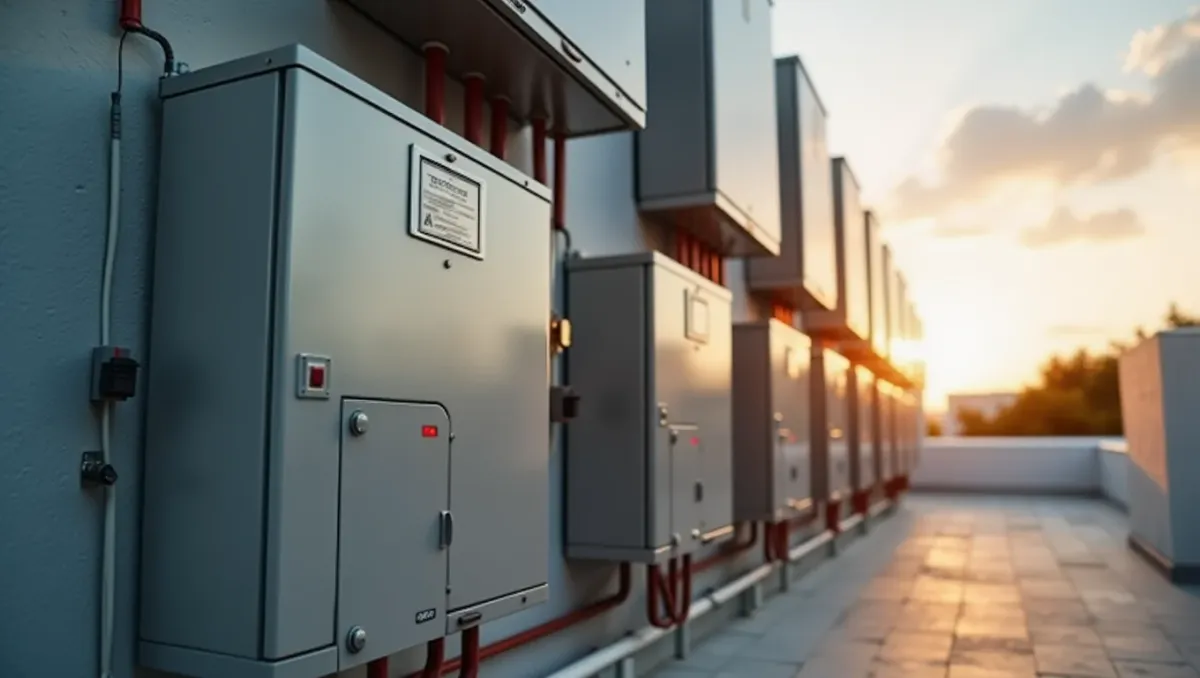
When we talk about embracing renewable energy here in the heart of the Arabian Peninsula, our minds often picture vast solar farms stretching across the desert. And while those massive projects are crucial for national resilience, sometimes the most powerful change happens right above your own roof—on your villa or townhouse in the GCC region.
For Gulf homeowners who have spent years managing high electricity bills, understanding how to harness the sun’s incredible power feels like unlocking a secret resource. The solar panels are the easy part; making sure that energy actually benefits your household and even gives you credit for excess power requires knowing about a system called Net Metering.
It sounds complex, perhaps involving confusing technical jargon. But don't worry. Think of us as your guide through this process. Our goal is simple: we want every homeowner in the Gulf to understand exactly where their power comes from and how they can achieve true energy independence. By the end of this guide, you will feel confident understanding not just if solar works for you, but precisely how it makes financial sense within the framework of your local utility.
What Exactly is Net Metering? A Simple Explanation
At its core, net metering is perhaps one of the most powerful and consumer-friendly mechanisms in decentralized energy generation. If you’ve heard the phrase "what is net metering in solar," you are asking the right question, because it dictates the financial viability of your entire system.
In the simplest terms possible, net metering is an agreement between you (the homeowner) and your local utility provider that allows you to use your own generated electricity, and then—when you generate more than you immediately consume—to send that extra power back out onto the public electrical grid. The utility measures this transaction and gives you credit for it.
Imagine a typical summer day in Riyadh or Jeddah. Your air conditioning units are running non-stop, pulling massive amounts of energy from the grid due to temperatures exceeding 45°C. If your solar panels are shining brightly at noon, they might be producing more power than all your appliances need at that moment. Instead of this surplus electricity simply being wasted (what engineers call "curtailed"), net metering allows it to flow safely back into the utility’s main lines.
This process is managed by special equipment called a bi-directional meter. A standard electrical meter only measures power flowing into your house from the grid. A bi-directional meter, however, measures and records two things: 1) how much electricity you pull from the grid, and 2) how much excess electricity you push back onto the grid. This dual measurement is what makes the entire net metering system function.
It’s a brilliant piece of engineering that supports national goals across the Arabian Gulf—goals like those mentioned in Saudi Vision 2030, which emphasize diversifying energy sources and building resilient local power structures. It shifts your role from being solely an energy consumer to also being a participant in the local power supply.
How Does the Process Work: From Excess Power to Credits
The concept of "net" is key here. Net metering doesn't mean you are paid for every single kilowatt-hour (kWh) you send back—though sometimes that happens, depending on the local utility’s rules. It means that at the end of a billing period, your total consumption minus your total generation equals your net balance. This final net number is what the utility bills you for.
Let's use an analogy familiar to life in the Gulf: Think of it like managing your family’s grocery budget throughout the month. One week, during the intense heat when all AC units are running, you might draw heavily on stored resources (the grid) because your solar power isn't enough—that's high consumption. The next week, maybe due to a perfect sunny stretch, your solar panels generate so much that you essentially "over-shop" and buy more than you need for the immediate week. Under net metering, those extra credits act like stored vouchers or digital coupons against future weeks when you are drawing heavily from the grid.
When we talk about excess power being sent back to the grid, this is handled through a formal utility interconnection agreement. This is not just an automatic process; it requires your local utility provider to approve and oversee how your system connects physically to their infrastructure. They must ensure that the energy you are sending back is clean, safe, and stable for the overall grid.
Understanding net metering benefits versus simple energy offset (self-consumption) is crucial here. If you only relied on self-consumption, it means using all your solar power immediately when it's generated—like running laundry at noon because the sun is shining brightly. But what if a cloudy week hits? You still need that washing machine to run! Net metering ensures that the excess power you generated during those perfect sunny days can cover your needs during the darker, cloudier times.
This mechanism provides tremendous resilience and stability to both your household budget and the larger regional energy structure. It allows for decentralized generation—meaning power comes from many small sources (like rooftops) instead of just massive central plants—making the entire system more robust against localized outages or stress, especially in industrial centers like Jubail.
Your Step-by-Step Guide to Getting Connected in the Gulf
Navigating the bureaucracy can feel as complicated as deciphering an old Arabic contract, but following a clear process makes it manageable. The local utility provider is the single most critical entity throughout this journey because they are responsible for maintaining grid standards and safety across the entire Arabian Peninsula.
While rules vary slightly between countries like UAE, Saudi Arabia, and Qatar, the general flow of net metering requirements remains consistent:
Step 1: Initial Assessment and Feasibility Study
You start by having solar professionals assess your rooftop. They check the structural integrity of your roof, analyze how much sunlight reaches that specific spot (a process called irradiance assessment), and estimate your average household energy consumption over a year. This determines the optimal size for your system—the amount needed to meet your needs without being excessively large.
Step 2: Application Submission and Documentation
This is where you formally apply through your local utility provider or an authorized third-party installer. You will need detailed documentation, including proof of residency, property ownership (or lease agreement), and the technical specifications for your proposed system. The utility reviews this application to ensure it meets all regional interconnection standards.
Step 3: Utility Approval and Interconnection Design
The local utility provider must approve the plan. They will specify exactly where and how your system connects to their grid—the Connection Point. This stage is critical because they confirm that adding your solar power won't destabilize the surrounding electrical network. The utility may require specific equipment, like the bi-directional meter, which they manage and install.
Step 4: Installation and Inspection
Once approved, installation begins. Your qualified team installs the panels (the photovoltaic modules), the mounting structure, and the inverter. Remember, think of your solar inverter like the translator between your panels and your home—without it, all that energy the sun provides would simply have nowhere useful to go. The inverter converts the direct current (DC) electricity generated by the panels into alternating current (AC) electricity, which is what runs almost everything in your modern villa.
After installation, the utility sends an inspector to verify that everything was built exactly according to the approved plans and that all safety standards are met. This inspection confirms compliance with national electrical codes and regional regulations, such as those governing distributed solar PV systems across the GCC.
Step 5: Final Activation and Meter Swap
Once the inspector signs off, the utility performs the final step: swapping your standard meter for the specialized bi-directional net metering meter. At this point, your system is officially operational under the net metering agreement, and you begin generating and tracking credits.
Maximizing Your Savings: Understanding Billing and Utility Agreements
Understanding how to maximize savings means understanding the nuances of the utility agreement itself. The goal isn't just to install panels; it's to structure a system that provides maximum financial benefit over its lifespan.
The billing cycle is where the magic happens. At the end of every month, the bi-directional meter sends data back to the utility’s billing system. This system calculates your total usage (kWh drawn) and subtracts your total generation (kWh sent). The result is your ‘net’ balance.
If your net balance is negative (meaning you generated more than you used), you might receive a credit that rolls over onto your next bill, acting like those invaluable vouchers. If the net balance is positive (you used more than you generated), you pay only for the difference.
The Difference Between Net Metering and Simple Offset
While sometimes people use these terms interchangeably, they can mean different things legally and financially. A simple energy offset usually means that your power generation simply reduces your bill amount dollar-for-dollar as it happens. Net metering is a formal agreement based on the balance of supply versus demand over time. Because net metering involves selling excess energy back to the grid and using those credits later, it provides superior long-term financial planning and resilience.
Optimizing Your System for Maximum Value
When considering your solar investment, you want a system that is optimized not just for raw power (measured in kilowatts, kW) but for maximum energy capture efficiency. When talking about net metering systems, experts look at the quality of the components—from high-efficiency panels to advanced smart inverters—to ensure minimal energy loss and maximum reliability under the intense heat and fine desert sand challenges common across our region.
Remember that your overall power usage is influenced by seasonal factors. During peak AC use in the summer, you will rely heavily on stored credits. In the spring or autumn when the weather is milder, you might generate a surplus, building up those valuable credits for the hotter months ahead. This strategic balance of generation and consumption is the core genius of net metering.
This guide covers how to install net metering solutions for the Gulf market.
What This Means For You
The biggest takeaway is that solar power in the GCC region is not just about reducing your bill today; it’s about participating in a modern, reliable energy ecosystem. By adopting net metering, you are securing energy independence for your home while simultaneously contributing to the national goal of diversifying and strengthening the regional power grid. You move from being passive consumers to active stakeholders in your local energy supply.
The process requires diligence—getting the correct permits and selecting a qualified installer who understands both solar technology and utility interconnection standards is paramount to ensuring a smooth, reliable experience that lasts for decades.
Getting Started: Your Next Three Steps
- Assess Your Consumption Profile: Before speaking to anyone, gather your past 12 months of electricity bills. This allows potential installers to accurately model your average usage (peak vs. off-peak) and size a system that truly matches your household’s needs for maximum financial benefit.
- Research Local Utility Programs: Contact your local utility provider. Ask them directly about their current net metering guidelines, the specific documentation needed, and what the local interconnection standards are. This ensures you understand the official net metering requirements for your precise location in Riyadh or Jeddah.
- Obtain Multiple Professional Quotes: Get estimates from several qualified solar energy providers. Crucially, ensure that every quote explicitly details their understanding of the net metering process, including who manages the application to the utility and how they will handle the interconnection point upgrade.
Related articles
- Choosing Reliable Solar Panel Suppliers in Saudi Arabia: A Homeowner’s Guide
- Finding the Best Solar Panels in Saudi Arabia: A Comprehensive Owner’s Guide
- Navigating the Rooftop Solar Application Process in the Gulf
- Solar System Connection Guide: Understanding Utility Services in Saudi Arabia
- Accurate Solar Sizing Calculator Gulf: Optimizing Commercial Energy Systems
Explore topics: Solar Panels, Residential, Net Metering, Gulf
The information in this article is for educational purposes only. Always verify specifications, availability, and suitability with a qualified supplier or engineer before making purchasing or installation decisions.



