
Navigating the Energy Transition: From Crisis to Sustainable Power in the Gulf: Moving from Energy Crisis to Energy
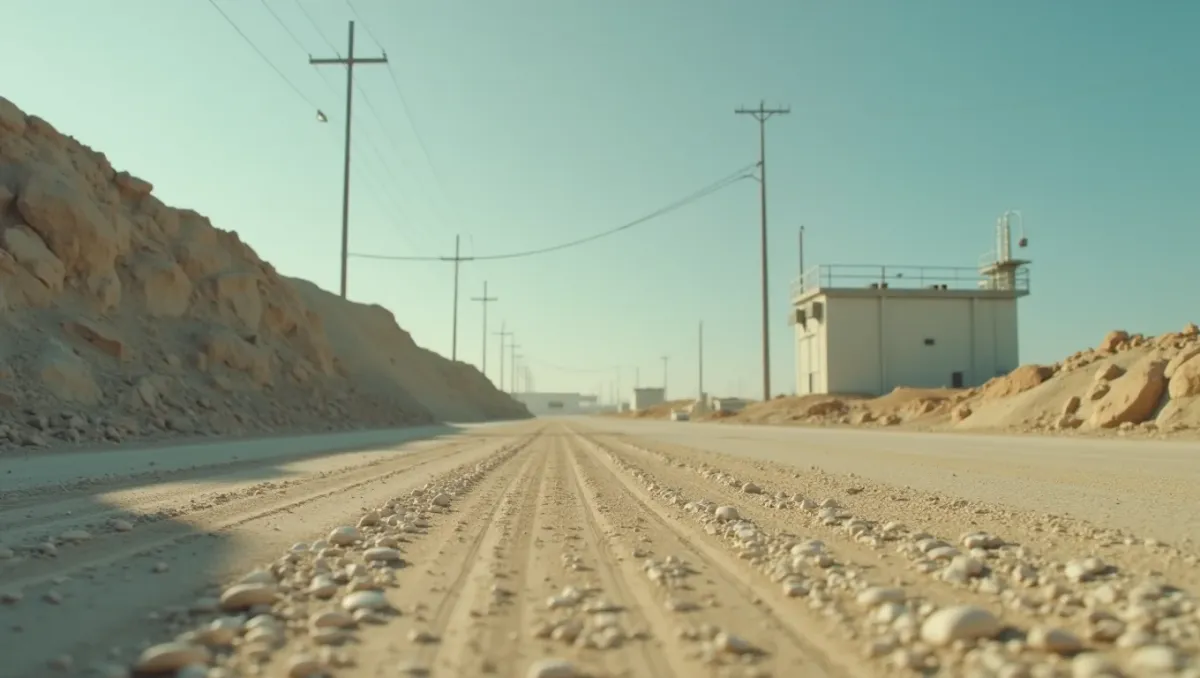
As residents of the Arabian Gulf, we are acutely accustomed to reliability. We expect our air conditioning units to run flawlessly through scorching summer months—when temperatures easily exceed 45°C; we rely on stable power for everything from pumping water in our villas and compounds to running critical businesses across Riyadh or Jeddah. For decades, this stability was managed by massive, centralized energy infrastructure. But today, the global landscape is changing faster than ever before, presenting both challenges and unprecedented opportunities.
The conversation around 'energy' has evolved dramatically. It is no longer just about having enough fuel; it is about knowing that when you need power—whether it’s during a sudden haboob dust storm or an unexpected spike in demand in the Eastern Province—that power will be there, reliably, and sustainably. Understanding this shift towards energy resilience is key to understanding the future prosperity of our Kingdom.
Understanding Energy Security: The Core Pillars of Modern Power
To grasp why energy security has become a global headline, we first need to look at what it means. Simply put, energy security is more than just having reserves of oil or gas; it’s about ensuring that a nation can reliably access the sources of power it needs—the right amount, the right type, and the right time—without being vulnerable to external shocks.
Historically, global energy supply was dominated by centralized sources. The infrastructure was vast, reliable for decades, and incredibly effective at providing massive quantities of power. However, recent years have exposed vulnerabilities in this model. Global events, geopolitical tensions, and the sheer complexity of international supply chains mean that traditional sources are facing increased instability.
Think about it like managing the cooling system in a large villa or compound during an extreme heatwave. If one single point—say, the main electrical feed coming from outside—is compromised, the entire system can struggle or fail, no matter how many AC units you have installed. The global energy grid is facing similar points of failure.
This instability has forced world leaders and regional powers to urgently reassess their foundational energy plans. The focus has pivoted sharply from simply maximizing 'supply quantity' to guaranteeing 'resilience' and achieving genuine 'diversification.' We are moving from a model based on finite, centralized resources to one built on infinite, localized sources.
The Renewable Shift: How Local Power Builds Resilience
This is where renewable energy—the power derived from naturally replenishing sources like the sun and wind—steps into its most critical role. These technologies are not merely a replacement for old methods; they fundamentally restructure how power can be generated, distributed, and consumed.
When we talk about solar power, we are harnessing energy from the photovoltaic effect (the process by which certain materials convert light directly into electricity). When we discuss wind, we utilize turbines to capture kinetic energy (the energy of motion) from moving air. These sources offer a localized and predictable foundation that traditional fossil fuel plants cannot match in terms of geographical resilience.
The key technical advancement enabling this shift is the integration of robust energy storage solutions, often utilizing large-scale batteries. If solar panels generate power during the day when the sun shines, but there is no sunlight at night, the battery system—or 'storage capacity'—stores that excess electricity and releases it back into the grid when needed. This ability to store and dispatch power on demand makes renewable energy sources far more reliable than they were even a decade ago.
This transition provides profound advantages for the Gulf region. Our abundant sunshine offers some of the most predictable solar irradiance in the world, allowing us to build massive capacity with remarkable efficiency. Furthermore, by generating power closer to where it is consumed—a concept called 'decentralized generation' or 'microgrids'—we reduce reliance on ultra-long transmission lines that can be vulnerable to external shocks (such as extreme weather or physical damage). It’s like having reliable backup generators in every corner of the community, rather than relying solely on one massive central plant miles away.
The result is a power supply that is inherently more localized and therefore fundamentally more resilient. This shift allows nations to stabilize their energy profile while simultaneously meeting global environmental responsibilities.
Saudi Vision 2030: Pillars of the Future Energy Grid
Saudi Arabia's commitment to developing vast renewable capacity alongside its established role in oil and gas is a textbook example of strategic foresight. This is not merely an environmental initiative; it is a fundamental economic diversification strategy woven into national blueprints like Vision 2030.
The goal here is elegant: how do you ensure that future prosperity is not solely dependent on the global commodity markets for oil and gas? By investing heavily in solar, wind, and green hydrogen (a clean fuel source produced using renewable electricity), the Kingdom is creating entirely new pillars of national wealth. This ensures that income streams are diversified and more resistant to volatile international pricing.
This massive scale-up requires an accompanying modernization of the 'power grid.' The power grid is essentially the circulatory system of a modern city—it transports electricity from where it is generated (the solar farm or plant) to where it is needed (your villa). Modernization means upgrading this infrastructure with smart technologies that can detect faults, balance fluctuating loads, and integrate multiple types of power sources simultaneously. This level of 'smart grid' capability ensures optimal efficiency and prevents the kind of unpredictable dips in voltage or service interruptions that plague older systems.
For us living here, what does this mean practically? It means that our entire energy backbone is being fortified from multiple angles. We are moving toward a system where localized renewable sources can support critical infrastructure—like hospitals and essential services in industrial cities like Jubail or KAEC—even if the main regional grid experiences temporary disruptions. This enhanced local resilience is arguably the most valuable outcome of the transition.
Furthermore, this industry shift drives significant economic benefits beyond just electricity. It creates thousands of high-skilled jobs in engineering, maintenance, manufacturing, and project management. The entire ecosystem supporting renewable energy becomes a powerhouse for job creation right here in the Kingdom, fueling sustainable local growth that is less dependent on exporting raw materials.
What This Means For You: Achieving Home Energy Resilience
For the homeowner or business owner, these massive national shifts translate into tangible, positive changes in your daily life. The most immediate benefit is predictability, followed closely by economic stability.
- Energy Predictability: By having localized renewable capacity, you are less susceptible to global price swings that historically impacted utility bills. You gain confidence that the power powering your home remains stable and reliable, even amid regional or global volatility.
- Environmental Stewardship: You participate directly in creating a cleaner environment for future generations. The reduction in carbon emissions (the gases released when burning fossil fuels) is crucial not just for the planet, but for maintaining air quality and public health right here in our communities.
- Future-Proofing Your Property: As more regions embrace decentralized power generation, integrating solar solutions becomes less of a novelty and more of an essential component of modern property design. Over time, your home can become a net producer—meaning it generates as much (or even more) energy than it consumes annually.
The journey from global energy uncertainty to regional self-sufficiency is vast, but every major project, every piece of smart grid technology installed, and every rooftop solar panel placed represents a tangible step toward an energized future built on local power.
Practical Steps You Can Take Today
While these large-scale shifts happen at the national level, there are simple steps you can take to become more energy efficient and resilient:
- Conduct a Home Energy Audit: Before considering new installations, systematically check your home's usage. Identify 'energy vampires'—devices that draw power even when turned off (like chargers or entertainment systems). Sealing air leaks around windows and doors can drastically reduce the amount of energy needed just to keep cool during the summer months.
- Understand Your Usage Patterns: Track when your household uses the most electricity (e.g., peak times in the late afternoon for AC use, or early mornings). This knowledge helps you plan efficiently and maximizes the benefit of any local power generation system by knowing precisely where and when the demand is highest.
- Research Local Incentives: Stay informed about any localized government initiatives, utility programs, or regional incentives designed to encourage residential energy efficiency or decentralized generation from local providers. These resources can help guide your investment decisions toward maximum impact.
- best off-grid solar system for home
- Harnessing Renewable Energy: Powering KSA's Vision 2030 Future
- Harnessing the Sun: Your Beginner's Guide to Rooftop Solar Power in the GCC
- Harnessing the Sun: Your Guide to Renewable Energy Powering a Sustainable Future in the Arabian Gulf
- How to Save Electricity in the Arabian Gulf
- Explore topics: Renewable Energy
- The information in this article is for educational purposes only. Always verify specifications, availability, and suitability with a qualified supplier or engineer before making purchasing or installation decisions.



