
The Ultimate Homeowner’s Guide to Building Insulation in the Arabian Gulf
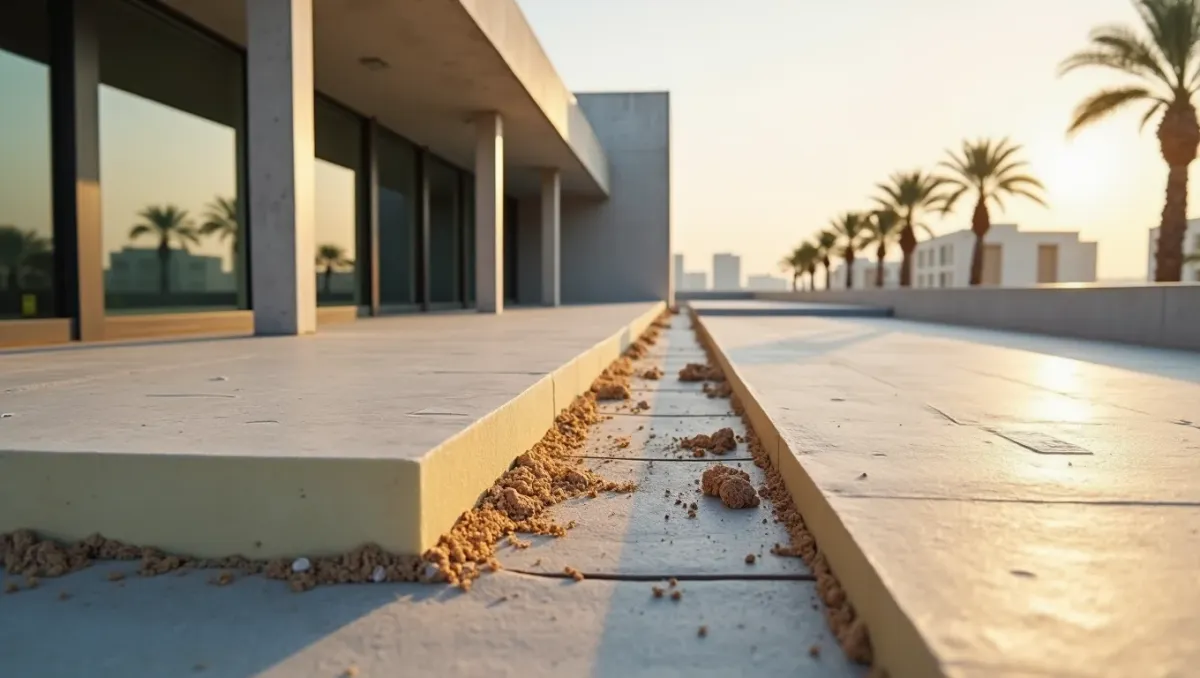
If you own property anywhere across the Arabian Peninsula—be it a sprawling villa compound in Jeddah, a commercial hub in Riyadh or the Eastern Province, or modern residences in Dubai and Qatar—you know what summer feels like. It is intense. The sun beats down with relentless energy, reaching peak temperatures of 50°C+, and keeping your home cool requires constant effort and massive electricity bills.
Many homeowners focus solely on their solar panels to generate clean power, which they should! But there is a foundational element of energy efficiency that often gets overlooked: building insulation. Think of it as the invisible armor for your compound. Just as you need resources to withstand the fine desert sand and sudden haboob storms, your building needs proper insulation to stay comfortable and efficient.
This guide is designed to demystify the process. We will walk through why insulation is not just a luxury upgrade, but an absolute necessity for comfort and resilience in our unique Arabian Gulf climate. By the time you finish reading this, you’ll be able to ask smart questions that save you money and stress.
Why Insulation is Non-Negotiable in the Arabian Gulf Heat: Understanding Thermal Load
To understand why insulation matters, we first need to talk about thermal load. In simple terms, thermal load is the total rate of heat energy that enters or leaves a building through its various surfaces—the roof, the walls, and the windows. The goal of any sustainable structure in our region is to keep the unwanted heat out during the day and keep the comfortable air in at night.
The Arabian Gulf climate presents a constant challenge: extreme ambient temperatures combined with intense solar gain (the energy radiating from the sun). This combination places immense, unrelenting stress on your air conditioning (HVAC) system. Your AC unit is constantly working overtime, struggling to fight against nature's relentless heat.
So, how does insulation actually work? It doesn’t block heat like a magic shield; rather, it slows down the transfer of heat energy through three primary physical processes:
- Conduction: This is the transfer of heat through direct contact. Think about touching a metal railing on a hot day—the material quickly conducts that external heat into your hand. Insulation materials are designed to be poor conductors, meaning they resist this rapid transfer.
- Convection: This is the transfer of heat through the movement of fluids (like air). Hot air rises, creating natural drafts. Good insulation helps keep these temperature gradients stable within the building envelope.
- Radiation: This is heat transferred via electromagnetic waves, most notably from the sun itself. This is where reflective coatings and good attic space really come into play, as they manage the intensity of solar radiation hitting your roof.
When traditional construction methods fail to account for this intense thermal load—especially in areas like Riyadh, Jubail, or Kuwait—the result is predictable: massive energy waste and exorbitant cooling bills. Improving insulation dramatically reduces the amount of work your HVAC system has to do.
A Buyer's Guide to Building Insulation Materials for GCC Climates
When you are looking into solutions, you will encounter many materials. The key thing to remember is that there is no single "best" material; the optimal choice depends on where it will be installed and what type of structure you have. We need to look at different building insulation types.
When evaluating materials, you will most often encounter the term R-value (or thermal resistance). Don't let the number intimidate you! In simple language, the R-value is a measure of how well a material resists heat flow. The higher the R-value, the better the insulation—meaning it slows down heat transfer more effectively.
Here is a comparison of some materials suitable for our harsh GCC environment:
- Mineral Wool (Rock/Slag Wool): These fibrous rocks are excellent insulators that perform well even when exposed to moisture. They are fantastic for filling cavities within walls or in roof assemblies, providing high thermal resistance and structural stability.
- Foam Boards (e.g., XPS, EPS): These rigid boards are often used in continuous layers on floors or exterior walls. They are effective at blocking both conduction and convection and can be easily cut to fit various shapes, making them useful for improving the efficiency of building insulation panels.
- Reflective Coatings (Radiant Barriers): These specialized foils do not provide high R-value themselves, but they reflect radiant heat—the intense energy coming directly from the sun—back out into the atmosphere. They are crucial when placed under roofing materials to manage solar radiation and reduce the overall thermal load entering the building.
- Insulation Rolls: These can be a cost-effective way to retrofit existing cavities or fill space between structural members, offering a straightforward path toward improving energy efficiency without major construction overhauls.
If you are considering commercial projects in KAEC or need guidance on complex designs, talking to an engineer who understands how to utilize building insulation foam alongside other materials like mineral wool is crucial. Understanding the difference between these specialized systems can significantly improve your final R-value.
Where to Focus Your Efforts: Prioritizing Roof, Walls, and Windows
If you had to put a budget toward improving energy efficiency, where should the money go? This is one of the most common questions we answer. The simple answer is: The roof first.
Why? Because the roof bears the brunt of the sun’s heat gain and solar radiation. It acts like a giant thermal collector during the day, trapping immense heat energy underneath it. This direct exposure means that insulating the attic or the roof structure itself provides the single greatest immediate return on investment (ROI).
Second Priority: Walls. While roofs are critical, walls also contribute significantly to the overall thermal load. If your villa is built with thick masonry but lacks internal insulation, heat can still conduct through the structural material. Improving wall insulation helps stabilize the temperature gradient throughout the entire structure.
Third Priority: Windows and Doors (Air Sealing). While windows are often viewed as a major weakness in any building envelope, remember that simply adding an insulating layer isn't always enough. You must also focus on sealing air gaps around window frames and doors. Air leakage—the uncontrolled movement of outside air into the conditioned space—is one of the biggest contributors to wasted energy. Even if you have amazing insulation, a small crack can undermine its effectiveness.
For homeowners looking at comprehensive upgrades, considering how to make insulation in autocad drawings or plans is wise, as it helps visualize where every gap and potential weakness exists before construction begins.
Calculating Savings: The ROI of Insulating Your Home or Business
Understanding the return on investment (ROI) can sometimes feel abstract. But when dealing with high energy costs in the Arabian Gulf—where running an HVAC system is one of the largest household expenses—the savings are tangible, noticeable, and significant.
Improving insulation directly reduces your cooling load. A lower cooling load means that your air conditioning unit runs less frequently and for shorter durations. This translates immediately into:
- Lower electricity consumption (and thus, lower bills from SEC or SEWA).
- Reduced wear and tear on expensive HVAC components, leading to longer equipment life.
- A dramatically improved level of comfort, allowing you to maintain a stable temperature even during peak heat waves.
While calculating the exact dollar amount is complex (as it depends on many variables like local climate codes and building size), we can understand the core relationship: Energy usage (E) is related to Power (P) over time (T). By improving insulation, you are effectively reducing the required power input needed to maintain a comfortable temperature.
If you were to model this, you could use basic principles like P = V × I. The insulation helps keep the "I" (current draw from your AC unit) low because the system isn't fighting against massive heat ingress. By reducing that required power input, you dramatically decrease the total energy consumption.
What This Means For You
If you are considering an upgrade, approach it as a holistic strategy:
- Prioritize Airtightness: Before buying expensive materials, inspect all window and door seals. Sealing these gaps is often the cheapest way to achieve immediate savings.
- Start Top-Down: Focus your initial efforts on improving roof insulation (attic or above). This gives you the quickest, most noticeable improvement in comfort.
- Think Complementary Systems: Remember that efficiency isn't just about keeping heat out; it’s also about using energy wisely. Insulating your home works hand-in-hand with installing solar panels to maximize self-sufficiency and resilience against rising energy costs.
Making the decision to improve insulation is an investment in climate resilience, comfort, and financial stability for decades to come.
Ready to Take Action? Three Simple Steps
- Get a Professional Assessment: Instead of just asking "how much," ask qualified professionals to conduct a detailed energy audit. This will pinpoint exactly where your home is losing the most heat (the weakest thermal links).
- Identify Your R-Value Needs: Use the information gathered during the audit to determine the required R-value for your roof and walls, ensuring the materials recommended meet local building codes and climate demands.
- Plan System Integration: Discuss how insulation will work with your planned solar power system. A highly efficient structure maximizes the value of every kilowatt-hour generated by your panels.
Related articles
- Optimizing Building Envelopes: A Strategic Guide to Insulation Performance for Commercial Structures in the Arabian Gulf
- The Smart Upgrade: Selecting Optimal LED Lighting for Your GCC Garage
- Maximizing Home Comfort with Energy Saving Fans in the Arabian Gulf
- Optimizing Home Comfort: Heating Efficiency in the Arabian Gulf Climate
- Optimizing Your Home: Best LED Lighting for Living Room Efficiency in the Gulf
Explore topics: Energy Efficiency, Gulf, Renewable Energy
The information in this article is for educational purposes only. Always verify specifications, availability, and suitability with a qualified supplier or engineer before making purchasing or installation decisions.



