
The Smart Upgrade: Selecting Optimal LED Lighting for Your GCC Garage
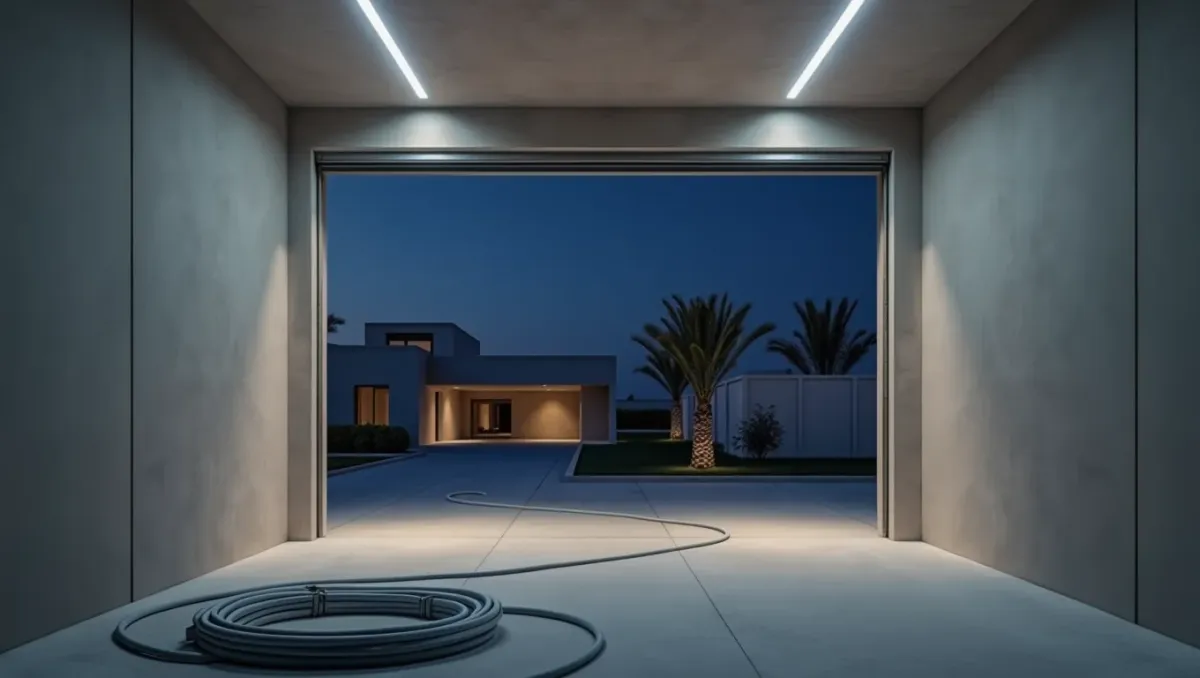
As homeowners across the Arabian Peninsula, particularly within modern compounds and villas in cities like Riyadh and Jeddah, energy efficiency has transitioned from being a luxury to an absolute necessity. We are constantly seeking ways to make our properties more resilient—to better withstand extreme heat, with summer peaks regularly reaching 50°C+, the challenge of haboob storms, saline coastal air, and the rising costs associated with powering modern life.
When we talk about energy resilience, many focus only on large-scale solar installations. However, efficiency starts right at home. It begins with how we illuminate our spaces. The garage, in particular, is a high-functionality area—a workshop, secure storage bay, and vehicle shelter all rolled into one. If the lighting here isn't optimal, it impacts safety, productivity, and significantly affects your monthly electricity bill from SEC or SEWA.
Think of your home’s electrical system as a vital circulatory network. Every component, from the main breaker panel to the smallest light fixture, needs peak performance. Just like an old pump struggling against high resistance, inefficient lighting wastes energy that could be used elsewhere in your compound or villa. This guide is your comprehensive resource for understanding how modern LED technology can transform your garage’s functionality while keeping your home powered sustainably.
Why Upgrade Your Garage Lighting: Beyond Just Saving Energy
Many people view lighting purely through the lens of cost savings, and while that is certainly a huge benefit, upgrading your garage lights offers deeper advantages related to safety, maintenance, and overall energy management. It's not just about reducing kilowatt-hours (kWh) consumed; it’s about improving the quality of life and function within your private space.
To understand the magnitude of this upgrade, we first need to look at what modern LED technology offers compared to traditional bulbs—be they older incandescent types or even compact fluorescent lamps (CFLs).
- The Efficiency Leap: Incandescent bulbs generate light by heating a filament until it glows. This process is incredibly inefficient; most of the energy consumed is wasted as heat, not visible light. CFLs are better but still consume more power and use fewer lumens (a measure of visible light output) per watt than LEDs. LED systems, on the other hand, convert electrical energy into light with minimal waste heat, requiring far less power to achieve uniform brightness in your compound garage.
- Durability in Harsh Climates: For us living through intense summer months and dealing with high levels of airborne fine desert sand or saline coastal air, durability is paramount. Traditional bulbs are fragile and quickly degrade due to temperature fluctuations and particulate build-up. Modern LED fixtures, especially those built for commercial use, are engineered to operate reliably under extreme environmental conditions common across the GCC.
- Consistency in Function: Your garage needs consistent light, whether you are performing complex repairs or simply moving a vehicle out after a long day of work. Poor lighting creates shadows and blind spots that compromise safety. An optimized LED system provides uniform, reliable illumination across the entire area, making tasks safer and more efficient for everyone living in the compound.
If you’ve been researching best led lighting for garage areas, remember that this upgrade is part of a holistic approach to home modernization, aligning perfectly with national goals promoting sustainable infrastructure across the Kingdom.
The Buyer's Checklist: What Specs Matter for GCC Garages?
When you are standing before different lighting options, it can feel overwhelming. You need to understand the technical specifications—the jargon that separates a truly durable, efficient fixture from one that will fail within months of installation in our challenging climate. Here is what every homeowner should look for.
1. Ingress Protection (IP) Rating: Your Shield Against Dust and Moisture
This is arguably the single most important specification when choosing lighting for any utility area in the Gulf. An IP rating measures how well an electrical enclosure resists the intrusion of solids (like fine dust) and liquids (like condensation or unexpected cleaning spray). It consists of two numbers, for example, IP65.
- The First Number (Solids): This relates to solid particle protection. A '6' means it is completely protected against dust ingress—essential given the constant fine desert sand challenge.
- The Second Number (Liquids): This relates to water resistance. A '5' means it is protected against low-pressure jets of water from any direction.
Given the high dust levels, humidity swings, and potential for corrosive saline air in our region, always aim for an IP rating of IP65 or higher. This ensures that your fixture remains safe and functional even when exposed to heavy environmental accumulation—a common issue across coastal areas like Jeddah.
2. Color Temperature (Kelvin - K): Setting the Focus
Color temperature describes the appearance of light, measured in Kelvin (K). It is not a measure of brightness, but rather how "warm" or "cool" the light appears. This is crucial for garage use because different activities require different types of visibility.
- Warm Light (2700K - 3000K): Mimics traditional incandescent bulbs; it has an orange/yellow glow. Ideal for relaxing living areas or main villa common spaces where comfort is key.
- Neutral Light (3500K - 4100K): A balanced, natural white light. Excellent for utility rooms or wash areas where you want clarity without feeling overly harsh.
- Daylight/Cool White (5000K - 6500K): This is the crisp, bluish-white light that mimics bright outdoor daylight. For a garage workshop or area requiring high precision—like inspecting vehicle components or working on mechanical systems—daylight LEDs are ideal because they provide maximum clarity and contrast for detailed tasks. This spectrum remains the preferred choice for industrial and commercial applications across the GCC.
3. Lumen Output vs. Wattage: Understanding True Brightness
Never buy a light based only on wattage (W). Wattage tells you how much electrical power the fixture uses. Lumens (lm) tell you how much visible light it actually produces. A high lumen count means higher brightness. You want fixtures that deliver high lumens with low watts, signifying great energy efficiency and maximizing your return on investment.
If you are planning a best led lighting for garage workshop setup, focus on the required foot-candles (a measure of illumination intensity) rather than just the bulb wattage. This ensures even light coverage across your work surface, preventing dark corners.
Choosing the Right Fixture: Track, Recessed, or High-Bay Solutions
The physical environment of a garage—whether it’s a small storage bay attached to a villa compound or a large industrial workshop space near Jubail—will dictate which type of fixture provides the best combination of aesthetics and utility. We have three primary options.
Track Lighting: Flexibility for Changing Needs
Think of track lighting like an adjustable rail system that allows you to position multiple smaller lights precisely where needed. This is incredibly valuable in a garage because your needs change—today you might need focused light on the workbench, and tomorrow it might be pointing at storage shelves or tools. Track systems are highly flexible and easy to modify without extensive wiring changes.
Recessed LEDs: Clean and Integrated Look
Recessed fixtures are installed directly into the ceiling structure, meaning they sit flush with the surface. This provides a very clean, minimalist look, maintaining the modern aesthetic of your compound. They are perfect for residential garages or areas where you want light without visible hanging hardware. However, when selecting these, remember that the IP rating must be appropriate for dusty environments to maintain longevity.
High-Bay Solutions: The Powerhouse for Large Spaces
High-bay lights are industrial-grade fixtures designed to illuminate very large vertical spaces—think expansive carports or deep workshop bays. They contain powerful, efficient LEDs that distribute light downwards across a wide area with high uniformity. If your garage is deep and covers many square meters (m²), a series of appropriately spaced high-bay units will provide the most effective illumination.
These lights are built tough, featuring robust casings necessary to handle the environmental stresses of industrial use, which translates directly into long-term reliability in our challenging GCC climate. They are designed to cover vast areas efficiently, ensuring maximum utility and safety for heavy-duty work.
Optimizing Installation for Maximum Efficiency and Safety
Once you have chosen your fixture type, the final step is ensuring optimal placement. This isn’t just about sticking lights everywhere; it’s a calculated process of light mapping to eliminate shadows and maximize usable illumination across the entire area.
- Spacing and Coverage: For high-bay or recessed lighting in large garages, proper spacing is key. The general rule of thumb is that fixtures should be spaced according to their beam spread and output lumen count to ensure there are no dark pockets.
- Layering Light: The best illumination comes from layering. Use high-bay or recessed units for overall ambient light (the general wash over the whole area). Then, supplement with track lighting or focused strips aimed directly at specific tasks, such as a workbench or paint station. This combination provides both safety and utility.
By focusing on efficiency upgrades like this, your home’s overall energy footprint shrinks. This dedication to sustainable living is what makes modernizing with high-efficiency lighting such a critical part of building resilience across the Arabian Peninsula.
Action Steps for Maximum Efficiency and Safety
- Conduct a Light Audit: Spend an afternoon in your garage or workshop with nothing but a phone flashlight. Note every area that casts shadows or feels dimly lit. These are the spots that require focused light supplementation.
- Prioritize IP Rating: When speaking to potential suppliers, insist on fixtures with documented IP65 ratings or higher, ensuring protection against dust and moisture specific to our region's environment.
- Choose Daylight (5000K–6500K): For the garage workspace specifically, opt for daylight-spectrum LEDs. This cool, crisp white light provides the highest visibility and clarity needed for detailed tasks, making it ideal for any workshop application.
Related articles
- Optimizing Building Envelopes: A Strategic Guide to Insulation Performance for Commercial Structures in the Arabian Gulf
- The Ultimate Homeowner’s Guide to Building Insulation in the Arabian Gulf
- Maximizing Home Comfort with Energy Saving Fans in the Arabian Gulf
- Optimizing Home Comfort: Heating Efficiency in the Arabian Gulf Climate
- Optimizing Your Home: Best LED Lighting for Living Room Efficiency in the Gulf
Explore topics: Energy Efficiency, Gulf, Renewable Energy
The information in this article is for educational purposes only. Always verify specifications, availability, and suitability with a qualified local supplier or engineer before making purchasing or installation decisions. Remember to check with your utility provider (SEC/SEWA) regarding voltage standards and net metering programs.



