
Electrifying Your Journey: A Guide to Choosing the Right EV for Life in the Arabian Gulf
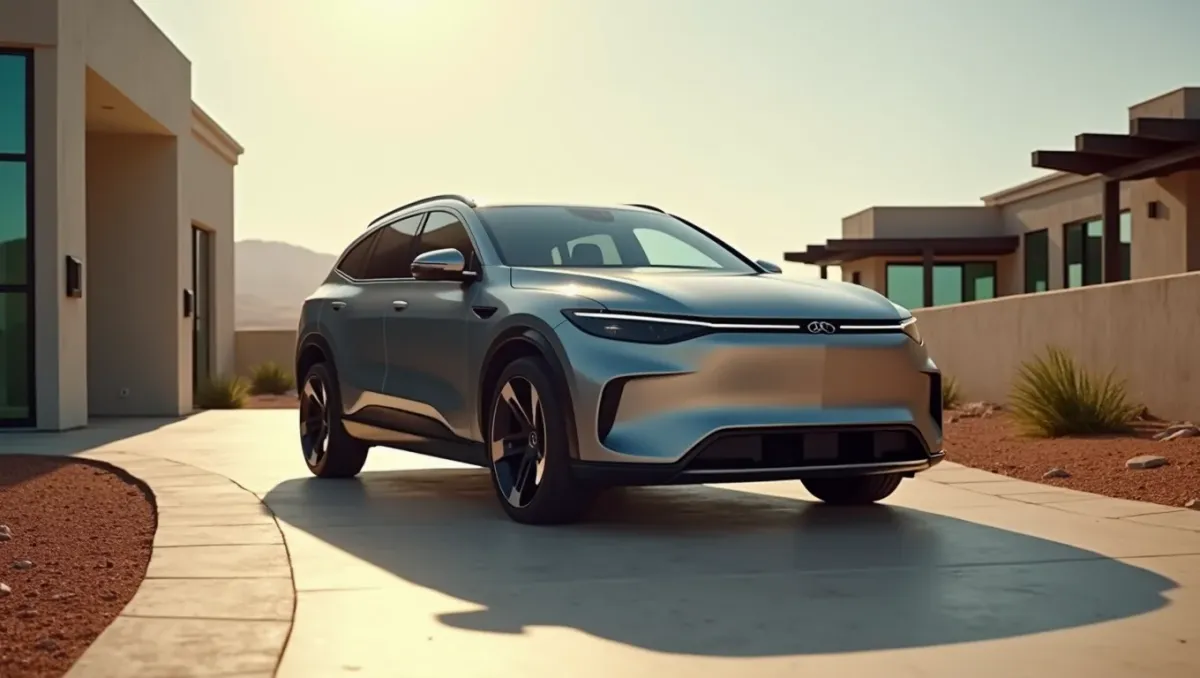
As residents of the Arabian Peninsula—from the glittering skylines of Dubai and Doha to the vast, welcoming compounds of Riyadh and Jeddah—we are accustomed to luxury, comfort, and absolute reliability. Our lives move at a pace that demands efficiency, whether we are commuting through busy urban districts or taking a weekend drive into the open desert.
The idea of switching from a traditional petrol vehicle to an electric one (an EV) can seem complex. You might wonder about range in extreme heat, charging station availability across the Kingdom, or how intense temperatures affect batteries. But I’ve spent years helping homeowners understand exactly that—understanding where their power comes from and how modern technology can integrate seamlessly into the rhythm of Gulf life.
An electric vehicle isn't just a trend; it is a sophisticated leap forward in personal mobility, perfectly suited to the needs and ambitions of our region. Let’s take a deep dive together, examining what makes an EV truly right for you and your lifestyle here in the Arabian Gulf.
Why Electrify Your Drive in the Gulf: Beyond Just Saving Fuel
When people first think about going electric, they often focus on one thing: saving money at the pump. While reducing those high fuel bills is certainly a major benefit—especially when comparing petrol costs to home charging rates from local utilities—the true value of an EV is far more profound. It’s about embracing a lifestyle that aligns with the future we are building for our families and communities.
Think of your car not just as transport, but as part of your modern household infrastructure. For decades, we have been tethered to gas stations, which requires us to plan around fuel availability. An EV changes that dynamic entirely. The vast majority of charging can happen right where you live—at home in your compound or villa.
This shift offers immense peace of mind. Imagine arriving back at your residence after a long day under the Arabian sun and simply plugging in, knowing your vehicle is topping up its energy reserves overnight. It’s as reliable as turning on your air conditioning unit every evening; it just works, quietly.
Furthermore, adopting electric mobility aligns with the massive vision for sustainability across the Gulf region. As environmental awareness grows and national mandates push toward cleaner futures (like Vision 2030), choosing an EV means participating in a movement that is fundamentally better for our shared environment. These vehicles produce zero tailpipe emissions, which helps keep our air cleaner—a benefit we all appreciate, especially when dealing with the intense heat and saline coastal air of the Arabian Gulf.
In short, electrifying your drive isn't just about saving a few riyals or dirhams; it’s about gaining autonomy, reliability, and contributing to the sustainable future of our beloved region. It is an upgrade for your entire way of life.
The Top Contenders: Comparing EVs by Brand, Range, and Local Suitability
When we look at electric cars today, we are looking at a diverse array of engineering feats. We aren't just comparing horsepower; we are comparing how well these vehicles manage energy under the most challenging conditions—our intense ambient temperatures, which can reach 50°C during summer peaks.
A critical technical concept to understand here is the **Battery Thermal Management System (BTMS)**. Simply put, this system manages the temperature of the large battery pack inside your car. In a vehicle operating in sustained high heat loads, if the BTMS fails, the battery overheats or cools too much, drastically reducing the range and reliability. The best modern EVs are built with advanced BTMS units that keep the battery in its optimal temperature zone, allowing them to perform reliably day after scorching day.
When comparing brands for the GCC market, look past global marketing hype and focus on three things: proven heat resilience, service network depth, and local presence. Many major international players are now adapting their models specifically for us. For instance, we are seeing advanced concepts emerging—like those seen in groundbreaking models set to redefine luxury performance across the UAE or unique engineering of vehicles that feature assembly within the Kingdom of Saudi Arabia.
The vehicle type you choose depends entirely on your routine:
- Sedans: Perfect for the urban commuter. If 90% of your driving is between your compound and the downtown commercial district, a sleek sedan maximizes efficiency and ease of parking.
- SUVs (Sport Utility Vehicles): These are fantastic if you need a bit more space or plan on carrying family gear. They offer a great blend of comfort for long-distance trips without being overly cumbersome in city traffic.
- Pickup Trucks: Ideal for the versatility needed by many Gulf families, offering robust capability and storage space—perfect whether you are hauling groceries from the market or equipment for a weekend desert trip near Jubail or KAEC.
When making your comparison, pay close attention to brands that have invested heavily in local support. Reliability isn't just about the engine; it's about having trained technicians and readily available spare parts right here in our major cities like Riyadh, Jeddah, Kuwait City, or Doha.
Crucial Buying Factors for GCC Drivers: Charging Infrastructure & Heat Resilience
This section might feel technical, but I promise you, understanding these factors is the single biggest step toward making a confident purchase. We need to look beyond the showroom floor and think about real-world driving.
Understanding the Charging Standards
Just like different types of plugs are needed for different appliances in our compounds, EVs use specific charging standards. The two most common ones you will encounter across the region are CCS (Combined Charging System) and NACS (North American Charging Standard).
- CCS: This is an established global standard widely adopted by many manufacturers and often integrated into public charging stations in KSA and UAE.
- NACS: This is another rapidly growing standard gaining popularity globally, and local infrastructure expansion is continually ensuring compatibility between these systems.
The key takeaway here is that while standards are evolving—and this rapid change is a sign of a healthy market—you must ask your prospective supplier which charging standards the vehicles use and how well those standards are supported by the public charging network in your specific area.
Planning for Power: The "Charging Desert"
Major GCC cities are rapidly expanding their public charging infrastructure, making city commuting seamless. However, if you live or frequently travel outside a major metropolitan center—what we might call a 'charging desert'—you must plan ahead. Never assume the next charger will be exactly where you need it.
Always check your planned route for reliable charging options before embarking on long journeys across the Arabian Gulf. This planning, much like budgeting for groceries or preparing for extreme heat during summer months, is key to a stress-free experience.
The Heat Factor: Thermal Resilience
This brings us back to the Arabian sun. High ambient temperatures don't just make you sweat; they challenge electrical components. A vehicle must be engineered with advanced BTMS units (as mentioned earlier) and robust cooling systems to prevent performance degradation when exposed to sustained high heat loads.
Making the Final Decision: TCO Analysis and Next Steps to EV Ownership
The final step is moving from research mode into a practical financial assessment. We must look past the initial purchase price, because that only tells half the story. To truly understand if an EV fits your life, we need to calculate the **Total Cost of Ownership (TCO)**.
What is TCO? It’s a comprehensive calculation that looks at every riyal you spend on the vehicle over its expected lifespan. Unlike looking only at the sticker price, TCO includes:
- Maintenance: EVs have far fewer moving parts than combustion engines (no oil changes, no spark plugs).
- Insurance: While policies vary, some insurers are beginning to offer specialized coverage for electric components.
- Depreciation/Resale Value: How well the market supports that vehicle model in the future.
- Energy Cost: The cost of electricity versus petrol.
When you run these numbers, especially factoring in reduced maintenance and cheaper "fuel," EVs often prove to be significantly more economical over time than their internal combustion engine counterparts.
What This Means For You
The transition is less about buying a car and more about upgrading your entire energy ecosystem. By focusing on TCO, you are making an investment that rewards you with efficiency, low maintenance hassle, and reduced environmental impact—all while enjoying the reliable luxury we expect from our homes in the Gulf.
Practical Takeaways for GCC EV Owners
1. Prioritize Thermal Management: When speaking with experts, always ask about the specific BTMS and how it handles sustained high heat loads typical of our climate (45°C+). This is non-negotiable for reliability.
2. Understand Your Charging Map: Before purchasing, map out your daily routine (work, shopping, villa) and cross-reference those locations with existing reliable public charging points in the Arabian Gulf region.
3. Focus on TCO over Price Tag: Compare the long-term running costs, not just the initial cash outlay. The savings from reduced maintenance often make up for any perceived upfront difference.
Your Three Simple Action Steps to EV Ownership
- Audit Your Routine: Write down your typical weekly driving pattern (e.g., 30 km commute, 150 km weekend trip). This tells you the minimum required range and helps narrow down vehicle types (Sedan vs. SUV).
- Consult Local Experts: Engage with certified local engineers or suppliers who specialize in EV integration for the GCC region. They can provide precise information on local infrastructure support, charging standards compatibility, and regional service warranties from local utility-certified partners.
- Calculate Your TCO Baseline: Use an online calculator (or ask your consultant to use one) that factors in estimated maintenance savings vs. current fuel expenditure. This gives you a clear financial picture of the long-term benefit.
Related articles
- Choosing the Best EV Charging App for Electrified Roads in the Arabian Gulf
- Decoding Your Drive: A Guide to Choosing the Best EV Charging Network in the Arabian Gulf
- Powering Tomorrow: A Homeowner’s Guide to Electric Vehicle Charging in the Arabian Gulf
- The Strategic Mandate: De-risking and Scaling Electric Vehicle Infrastructure Investment Across the Arabian Gulf
- Electric Mobility in Saudi Arabia: A Homeowner’s Guide to EV Charger Installation and Solar Integration
Explore topics: Ev Charging, Gulf, Renewable Energy
The information in this article is for educational purposes only. Always verify specifications, availability, and suitability with a qualified supplier or engineer before making purchasing or installation decisions.



