
Powering Tomorrow: A Homeowner’s Guide to Electric Vehicle Charging in the Arabian Gulf
If you live anywhere near the glittering skylines of Riyadh or Jeddah, you know that energy is everything. From powering your air conditioning during a brutal summer heatwave—when temperatures easily exceed 45°C—to running your modern villa's lights late into the night, our dependence on reliable power is absolute.
The conversation around electric vehicles (EVs) isn’t just about owning a new car; it’s about fundamentally changing how we manage and consume energy across the Arabian Gulf. The transition to electric mobility, fueled by ambitious governmental goals like Saudi Vision 2030 and UAE's sustainability mandates, means that understanding where your power comes from—and how you can charge your vehicle—is becoming as important as the car itself.
But when you start searching online for "ev charger near me," you might feel overwhelmed. Are there enough stations? Which charging option is right for my compound? It's a complex topic, combining electrical engineering with lifestyle planning. Rest assured, we’re here to make it crystal clear.
Think of your energy system—whether it’s solar panels on your roof or the grid connection powering a public station—like an intricate, reliable pipeline built just for you. Our goal today is to help you understand every component of that pipeline, ensuring you feel confident and empowered about adopting electric living in our region.
Understanding Your Charging Options: Public vs. Private Infrastructure
When we talk about charging an EV, we aren't just talking about plugging a cord into the wall; we are engaging with specialized electrical infrastructure designed to safely move massive amounts of energy into a high-voltage battery.
To begin, let’s distinguish between the two main locations where you will find charging:
Public Charging Stations
These are the charging points found at major shopping malls, service stations, dedicated parking lots, and along key highways across our cities. They are essential for travelers—for those days when your villa is empty, but you need reliable power on the move.
The beauty of public infrastructure is its convenience; they spread coverage across communities and industrial centers like Jubail or KAEC, ensuring that whether you’re visiting a new area or simply running an errand in the Eastern Province, there's usually a reliable station nearby. This rapid expansion is being driven by regional commitments to sustainability.
Private Charging Infrastructure (Home Installation)
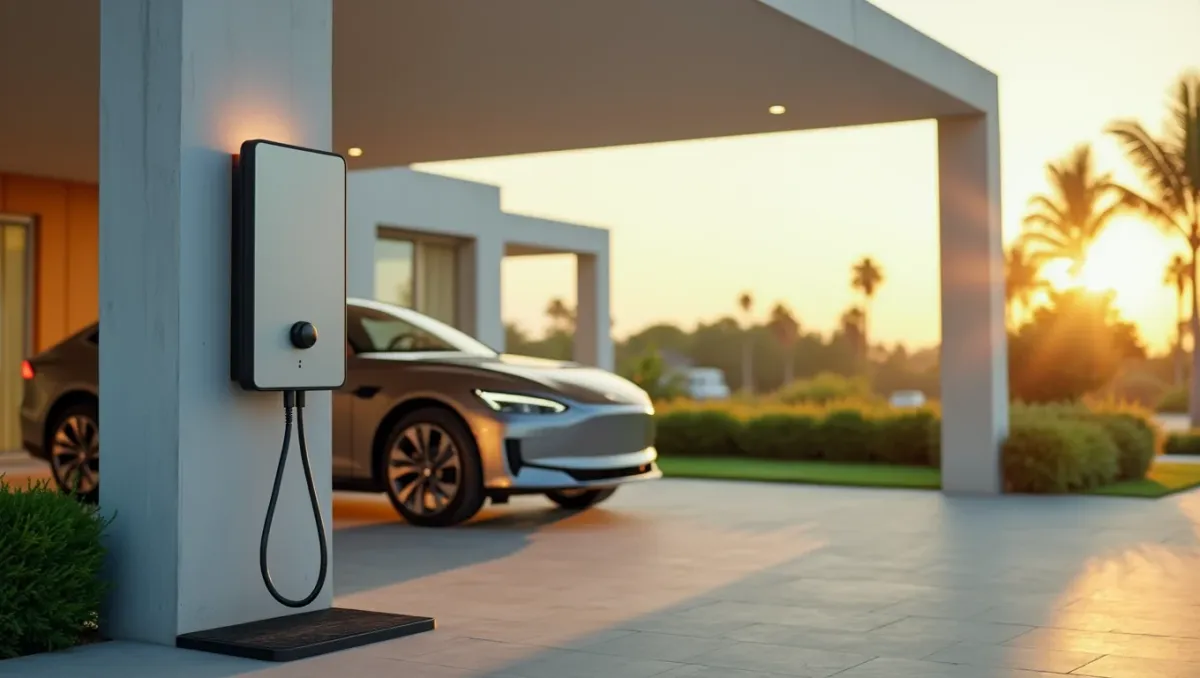
This refers to the charger installed directly at your own residence—in your garage, carport, or dedicated compound parking space. For many homeowners in Saudi Arabia, this private setup will be the primary source of charging power. It offers unmatched convenience: you plug in when it's most comfortable for you and wake up to a fully charged vehicle, ready for the day's journey.
While public stations are great backups, nothing beats the reliability and personalization of home charging. When considering this path, remember that proper planning is key, especially concerning your existing electrical panel and connection point.
A Deep Dive into Charger Levels: What Does 'Fast' Really Mean?
When you see a charging station marked "Level 2" or "DC Fast," these terms aren't just marketing buzzwords—they refer to distinct levels of electrical power delivery. Understanding this difference is crucial because it dictates how quickly your battery gets topped up.
Understanding the Types of Power
Before diving into levels, we need a quick refresher on electricity itself. Electricity moves in two main forms: Alternating Current (AC) and Direct Current (DC). AC current is what most household appliances use—it’s the standard power coming from your utility grid. DC current, however, is the type of power stored inside the battery pack of an EV.
This difference dictates how charging happens:
- Level 2 Charging (AC to DC): When you use a Level 2 charger at home or in a workplace parking lot, the station draws standard AC current from the grid. However, it includes an internal piece of equipment called a charger unit that converts this incoming AC power into usable DC power before sending it to your car's battery. This conversion process is smart and highly efficient for overnight charging.
- DC Fast Charging (High-Power Direct): These stations are the most powerful. They bypass some of the homeowner’s internal conversion processes by delivering extremely high levels of DC current directly into the vehicle’s battery. Think of it like a super-express lane—it delivers maximum power immediately, making it ideal for long journeys or when you have minimal time to spare.
The Meaning of 'Fast'
When someone says "fast," they are referring to the *rate* at which energy (measured in kilowatts, kW) is delivered. A slower charge might take many hours, perfect for charging overnight while you sleep. A fast charge delivers a huge burst of power over a shorter time frame.
This distinction between AC and DC charging levels ensures that we match the speed of the charging infrastructure to your travel needs—whether it's a few minutes at a highway stop or several hours in a dedicated parking spot.
Planning for Home Charging: A Step-by-Step Guide for GCC Homeowners
The shift to electric living requires treating your home charging station with the same care you treat your air conditioning unit—it needs professional installation and careful planning. This is where many homeowners ask, "How do I find an ev charger near me?" The answer always starts at your own property.
Unlike simply buying a device, installing a residential EV charger is an electrical upgrade project that must be handled by licensed professionals. Here is what you need to consider:
1. Assessing Your Electrical Capacity and Panel
The most critical step is having an electrician assess your home’s main electrical panel (the box containing all the breakers). A standard residential service might not have enough available capacity to handle a large, constant load like charging an EV *while* running air conditioning, kitchen appliances, and other household necessities. The system needs sufficient amperage to deliver power safely.
If your existing panel is nearing its limit, the process may require upgrading the main service connection or installing additional circuit breakers to ensure stability. This assessment prevents potential overloading and electrical issues—a safety consideration that never gets overlooked in our region's extreme heat and dusty environments.
2. Integrating Solar Power (The Smart Upgrade)
For many, home charging is an opportunity to optimize their entire energy profile. If you are considering solar panels for your villa rooftop, the charger can be designed to draw power efficiently from both the main grid and your self-generated solar array. This integration allows you to maximize what we call "solar self-consumption," meaning you use the clean electricity you generate right when you need it most.
This is where understanding energy storage comes into play. Many homeowners now consider adding a battery backup system, which represents one of the key types of home battery storage solutions. A smart inverter plays a role here; it manages the flow between your panels, batteries, and the house circuits. These modern systems help manage power even if there are unexpected grid interruptions.
Furthermore, when discussing how to keep critical systems running during an outage, you might encounter terms like "what is ups load solar." In essence, a dedicated UPS (Uninterruptible Power Supply) system ensures continuity of power to vital loads, keeping essential circuits powered even if the main utility connection fails.
3. Space and Safety Requirements
The charger must be installed in a protected, accessible location according to local building codes. You need enough space for the unit itself, proper cable management, and crucially, adequate airflow for safety and longevity. The electrical components are highly sensitive, meaning they must be shielded from fine desert sand, extreme temperatures, and saline coastal air—challenges inherent to our Arabian Peninsula environment.
Navigating the Future of EV Mobility in the Arabian Gulf
The rapid adoption of EVs isn't just a trend; it’s being baked into the fabric of regional development. Major governmental initiatives, such as Saudi Vision 2030, are actively accelerating charging infrastructure deployment across new residential compounds and commercial centers.
These large-scale investments signal that reliable EV support is becoming a fundamental expectation for residents and visitors alike. We are moving toward an era where electric mobility is seamlessly integrated with sustainable energy sources, diversifying our regional power mix.
The Role of Government and Utility Providers
Utility providers in the GCC region play a monumental role. They are responsible for grid upgrades, ensuring that local substations can handle the increased load demands from thousands of new chargers. Furthermore, they are working to create standardized protocols so that regardless of where you travel—from the bustling markets of Doha to the sprawling communities near Jeddah—the charging experience is predictable and reliable.
This coordinated effort helps manage the entire energy ecosystem. The push for sustainability means we must look at diversified power generation, not just solar. This includes exploring types of energy storage batteries and understanding how advancements in technology adds resilience to the overall grid.
Looking Beyond Solar: Grid Resilience
While solar power remains foundational—and our region has world-class solar irradiance, averaging 5.5–6.5 kWh/m²/day in KSA—a resilient energy future requires diversification. This means looking at various sources, including advanced battery technology and exploring how reliable backup systems can stabilize the grid.
The smart infrastructure being built across the Arabian Gulf is designed not just to charge cars, but to manage a complete energy ecosystem. This planning ensures that as more people rely on electric transport, the grid remains stable and capable for all residents in Riyadh, Jeddah, and beyond.
Summary: Your Charging Journey
Knowing where to find an "ev charger near me" requires shifting your focus from *finding* a station to *understanding* the infrastructure supporting it. Whether you are installing a Level 2 unit in your private garage, relying on a high-powered DC Fast Charger during a road trip, or integrating solar and battery backup into your home system, every choice is part of a larger, more sustainable energy story for the Arabian Gulf.
💡 What This Means For You: Practical Takeaways
Don't view EV adoption as just buying a car; view it as upgrading your entire home’s energy system. By planning ahead, you are not only reducing your reliance on traditional fossil fuels but also enhancing the resilience of your household against utility fluctuations.
- Prioritize Planning Over Panic: Before purchasing an EV, schedule an electrical assessment at your home to confirm its capacity for private charging.
- Understand Your Needs: If you charge primarily at home overnight, Level 2 AC is perfect. If you frequently take cross-emirate trips and need quick top-ups, familiarize yourself with DC Fast Charging locations along major routes.
- Think Integrated Power: When planning new installations, always discuss how solar generation and battery storage can work together to make your home energy self-sufficient—a powerful step toward true energy independence in our region.
Your Next Three Steps
- Consult a Local Professional: Start by engaging with licensed, local electrical engineers who specialize in EV installations within the GCC. They will assess your home's current capacity and advise on necessary upgrades.
- Assess Your Usage Pattern: Determine if you charge primarily for daily convenience (favoring overnight Level 2) or for long-distance travel (requiring knowledge of public DC Fast Charging networks).
- Explore Smart Integration: Discuss the potential for combining your new EV charger with solar power and battery backup systems to create a truly resilient, clean energy hub at your villa.
Related articles
- Utility-Scale Solar Farms in the GCC: Planning and Investment Guide
- Choosing the Best EV Charging App for Electrified Roads in the Arabian Gulf
- Decoding Your Drive: A Guide to Choosing the Best EV Charging Network in the Arabian Gulf
- Electrifying Your Journey: A Guide to Choosing the Right EV for Life in the Arabian Gulf
- The Strategic Mandate: De-risking and Scaling Electric Vehicle Infrastructure Investment Across the Arabian Gulf
Explore topics: Ev Charging, Gulf, Renewable Energy
The information in this article is for educational purposes only. Always verify specifications, availability, and suitability with a qualified supplier or engineer before making purchasing or installation decisions.



