
The Technical Imperative: Mastering Three-Phase Solar Inversion for Commercial and Industrial Loads in KSA
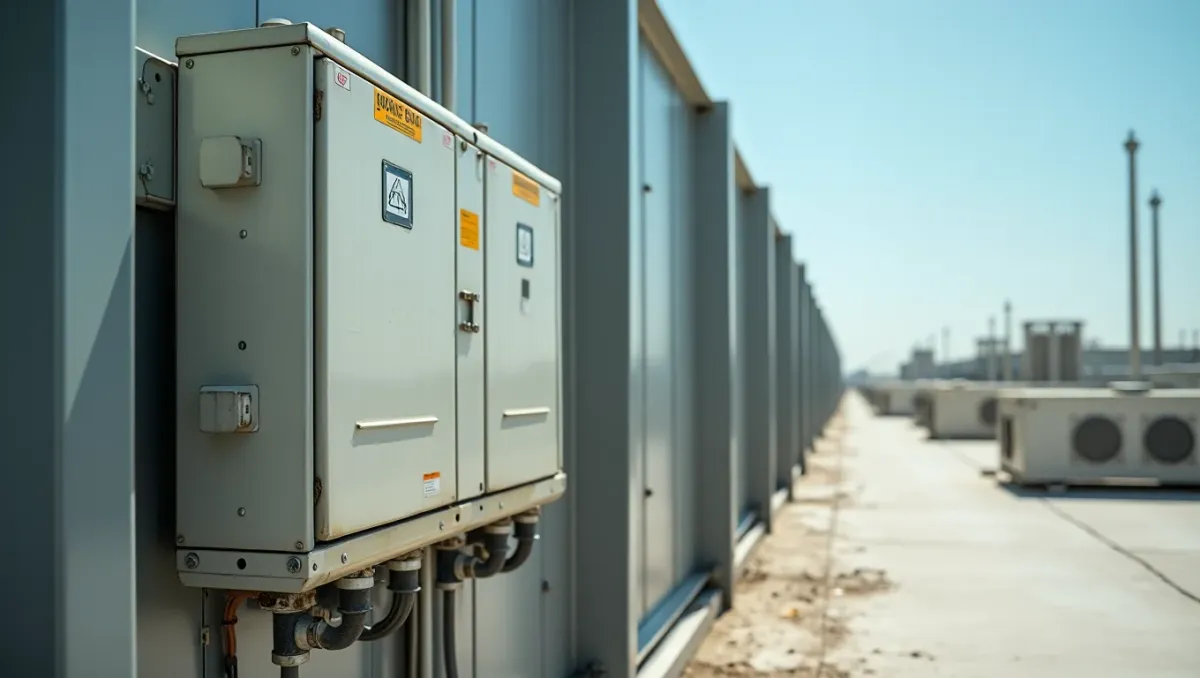
In the context of accelerating energy transition across the Gulf Cooperation Council (GCC) region, solar photovoltaic (PV) systems are rapidly moving beyond simple supplementary power sources. They are now fundamental components of resilient, high-capacity microgrids. For large commercial facilities, mega-projects, and industrial complexes—such as petrochemical plants in Jubail or desalination infrastructure near Jeddah—the choice between single-phase and three-phase inverter technology is not merely an electrical preference; it dictates the overall efficiency, stability, and long-term operational reliability of the entire energy architecture.
At KhaleejSolar.com, we focus on engineering solutions that meet the rigorous demands of Gulf industrial standards. This deep dive provides a technical roadmap for understanding why three-phase inverter systems are the definitive choice when power quality, continuous load handling, and system resilience are paramount in areas like Riyadh's expanding industrial zones.
Three-Phase vs. Single-Phase: Understanding the Power Difference
To understand the criticality of three phases, one must first grasp the fundamental difference in electrical waveform geometry. A single-phase AC supply utilizes two conductors (one live wire and one neutral/ground), producing a sinusoidal voltage waveform that crosses zero volts twice per cycle. The power delivery is inherently cyclical and relies on this repetitive crossing of zero potential.
Conversely, three-phase AC power employs three separate alternating current voltages, each shifted by an electrical phase angle of 120 degrees relative to the others. This balanced system provides continuous power transfer. Unlike single-phase, where instantaneous power delivery fluctuates significantly, the combination of three phases ensures that at any given moment, there is always a component of voltage or current active in one of the lines.
The technical distinction centers on efficiency and load management. In large industrial settings—where continuous motors, pumps, and heavy machinery operate—single-phase systems introduce inherent power ripple and potential frequency dips during peak demand cycles. A three-phase system, by design, maintains a more uniform and consistent RMS (Root Mean Square) voltage across all phases, regardless of the individual load draw on any single line.
For engineers designing utility-scale PV tie-ins into existing industrial feeders, this difference is critical. The inverter must manage not only the DC power derived from the array but also synthesize a perfect sinusoidal three-phase AC output that matches local grid requirements. Failure to do so results in poor Power Factor Correction (PFC) and excessive harmonic distortion, which degrades motor performance and stresses connected equipment.
Why Three-Phase Solar Inverters are Essential for Commercial and Industrial Loads
The technical advantages afforded by three-phase solar inverter integration are profound, translating directly into operational uptime and improved system Mean Time Between Failures (MTBF). These systems are optimized for high continuous capacity factors typical of GCC industrial operations.
Superior Efficiency and Load Handling
Industrial loads—especially those involving large motors, compressors, or HVAC units—are inherently three-phase consumers. Motors connected to a balanced three-phase supply draw constant torque because the magnetic field rotates continuously through all three phases. This stable rotational force is physically unattainable with single-phase power.
Three-phase inverters are engineered to synthesize this ideal, rotating magnetic field. The resulting efficiency gain stems from minimized harmonic content and reduced current fluctuation at the load terminals. Furthermore, these inverters manage a higher ratio of continuous output power (kW) relative to apparent power (kVA) compared to single-phase units of similar size.
Grid Stability and Power Quality Management
In environments like major industrial zones or petrochemical complexes, grid stability is non-negotiable. Three-phase inverters are sophisticated power electronics devices designed with advanced Maximum Power Point Tracking (MPPT) algorithms that operate across three distinct voltage vectors. They actively compensate for imbalances, ensuring the synthesized output matches stringent international standards regarding Total Harmonic Distortion (THD). The inverter acts as a robust buffer, absorbing rapid changes in solar irradiance—such as those caused by passing haboob storms or atmospheric conditions common in Saudi Arabia—and delivering a stable voltage waveform to the load.
Application Suitability
Three-phase PV integration is mandatory for specific high-demand applications:
- Desalination Plants: These facilities rely on massive, continuously running pumps and compressors. The highly consistent power required necessitates three-phase output to maintain optimal operating pressures and energy efficiency.
- Industrial Feeders (e.g., Manufacturing): Any facility utilizing electric motors above 50 kW should be evaluated for three-phase integration to ensure balanced electrical loading across all phases, preventing premature motor failure due to phase imbalance.
- Commercial Buildings with Central Plant HVAC: Large commercial towers often house central chiller plants and large air handlers that operate exclusively on three-phase power. Integrating solar at this scale demands three-phase inverter capability for optimized load matching.
Selecting Your System: A Technical Guide to Sizing and Matching Components
The process of sizing a PV system is far more complex than simply dividing the total required kilowatt (kW) output by the available solar irradiance. It requires meticulous consideration of apparent power, load profiles, anticipated operational environment, and interconnection standards with local utilities.
Understanding kW vs kVA Ratings
A critical point for commercial buyers is distinguishing between Real Power (measured in kilowatts, kW) and Apparent Power (measured in kilovolt-amperes, kVA). The inverter must be sized not only to meet the peak required real power but also to handle the system's anticipated reactive load. The relationship is defined by the Power Factor (PF): kW = kVA \times PF.
In highly inductive industrial loads, the PF may drop below 0.9. Therefore, selecting an inverter based solely on peak kW requirements risks operating the unit near its kVA limit, leading to voltage drops and derating under load. A robust design requires sizing the inverter's kVA rating slightly above the maximum anticipated apparent power demand.
System Sizing Methodology
The primary components—the PV array (DC source), the three-phase inverter (AC synthesis), and the connection infrastructure—must be matched precisely:
- Array Sizing (DC Input): The total DC capacity of the solar array must be calculated based on peak irradiance figures for the site. In Gulf regions, typical annual irradiance averages range from 5.5 to 6.5 kWh/m\sup{2}/day. The array size is determined by accounting for system losses (derating factor \(\eta_{loss} \approx 0.75 to 0.85\)) and the required redundancy margin.
- Inverter Sizing (AC Output): The inverter's continuous kVA rating must be matched to the peak three-phase load plus a safety buffer (kVAinverter \(\geq kVA_{load,peak}\)). Furthermore, the DC input capacity of the selected inverter model must exceed the maximum calculated array size.
- DC/AC Ratio: This ratio (Inverter kVA / Array Peak Power (kW)) is a key design parameter. For commercial applications with high redundancy requirements, maintaining an optimal DC/AC ratio of approximately 1.1 to 1.3 ensures the inverter operates efficiently without being overly stressed or underutilized.
Component Selection Comparison
The following table details the technical considerations when selecting between various types of three-phase inverters for commercial deployment:
| Inverter Type | Primary Functionality | Optimal Load Profile | Key Technical Advantage | Typical Application Scale |
|---|---|---|---|---|
| Three-Phase String Inverter | DC to Three-Phase AC Conversion | Medium Continuous Loads (e.g., HVAC, small feeders) | High efficiency; modular scalability; simplified installation compared to full rectifiers. | 50 kW to 300 kW |
| Three-Phase Central Inverter/Converter Station | Bulk DC Power Conditioning & AC Synthesis | Large, Continuous Industrial Loads (e.g., pumps, desalination) | Highest power density; excellent harmonic mitigation; superior resilience to grid faults. | > 300 kW up to MW scale |
| Hybrid Three-Phase Inverter | DC/AC Conversion + Battery Management System (BMS) | High Resilience, Peak Shaving, Black Start Capability | Enables energy storage integration; manages grid islanding and autonomous operation. | Medium to Large Scale (> 100 kW) |
Integration and Compliance: Ensuring Optimal Performance in the Gulf Grid
Integrating a high-capacity three-phase solar system into the existing utility infrastructure of major GCC markets (such as KSA and UAE) requires deep adherence to local electrical codes and specialized consideration for extreme environmental operating conditions.
Addressing Environmental Stressors
The operational environment dictates component selection. Ambient air temperatures routinely exceed 45°C, and high concentrations of airborne particulates lead to significant soiling and dust accumulation from haboob storms. This necessitates:
- Thermal Management: Inverters must be rated for continuous operation at elevated ambient temperatures (e.g., Tambient <= 50°C). The cooling systems—whether forced air or passive heat sinks—must maintain the internal semiconductor junction temperature within manufacturer specifications to prevent thermal derating and premature failure.
- Dust Mitigation: Enclosures must meet high Ingress Protection (IP) ratings (e.g., IP65 minimum). Furthermore, system design must incorporate optimized mounting structures that facilitate regular cleaning cycles, minimizing soiling losses which can reduce array output by 10–20% over time.
Grid Interconnection and Code Compliance
Successful integration requires compliance with the local Distribution System Operator (DSO) requirements. These codes dictate:
- Anti-Islanding Protection: The inverter must possess robust anti-islanding protection features. This is a non-negotiable safety mechanism that detects grid loss and immediately shuts down the solar output, preventing the PV system from energizing an isolated section of the grid, which poses a severe electrocution risk to maintenance personnel.
- Reactive Power Control: The inverter must be capable of providing and absorbing reactive power (Q). This capability allows it to actively manage the local voltage profile in the feeder lines, supporting the stability of the entire three-phase system.
When designing for resilience—a key focus area globally following recent energy market volatility headlines—the optimal solution often involves a hybrid architecture. The inverter must not only connect seamlessly to the utility grid but also manage an integrated Battery Energy Storage System (BESS). This combination allows the facility to maintain continuous, stable power delivery during grid outages or periods of low solar irradiance, achieving true "energy independence resilience."
Key Takeaways
- Three-Phase Necessity: For loads exceeding 50 kW in commercial/industrial settings, three-phase power is mandatory. It ensures balanced load delivery and sustained torque essential for large rotating machinery (pumps, motors).
- Sizing Precision: Always size the inverter based on required kVA (Apparent Power) rather than peak kW alone. This accounts for system reactive loads and maintains optimal Power Factor Correction (PFC).
- Environmental Resilience: System components must be specified with high IP ratings and operational temperature tolerances (>45°C) to withstand the extreme ambient conditions of the GCC region.
- System Architecture: The most resilient modern installations utilize three-phase inverters paired with BESS, enabling crucial black start capabilities and continuous power delivery during utility grid interruptions.
Related articles
- Optimizing Energy Independence: A Technical Guide to Hybrid Solar Inverter Systems in KSA
- Achieving Energy Security: A Homeowner’s Guide to Choosing Solar Batteries in KSA
- best off-grid solar system for home
- Choosing the Best EV Charging App for Electrified Roads in the Arabian Gulf
- Decoding Your Drive: A Guide to Choosing the Best EV Charging Network in the Arabian Gulf
Explore topics: Inverters, Gulf, Renewable Energy
The information in this article is for educational purposes only. Always verify specifications, availability, and suitability with a qualified supplier or engineer before making purchasing or installation decisions.



